Robotics Engineering and Industrialization Services in the US
Robotics brings together multiple engineering disciplines around a single mission. Mechanics, electronics, embedded software, sensing, control, connectivity, and system architecture must work together from the earliest stages of development. At Kickmaker, we translate operating scenarios into system requirements and subsystem interfaces.
A demonstrator can prove feasibility. A production-intent robot must go further: it must behave predictably across operating, degraded, and recovery states while meeting performance, safety, and industrial robotic integration constraints. From proof of concept (POC) to serial production, we develop architectures that anticipate assembly, calibration, testing, service, and controlled change throughout the product lifecycle.
Scaling Hardware from Concept to Serial Production
At Kickmaker, we begin the scaling process once the mission, environment, and failure risks are fully understood. These elements define the responsibilities of the subsystems and the acceptance criteria. Kickmaker uses them to configure each step and define the improvements needed for automation engineering and mass production.

Advanced Prototype & Engineering Build Test
Your proof of concept needs to evolve into a reliable industrial product an engineering build reveals how the integrated system behaves on target hardware under defined conditions. Kickmaker instruments the robot to showexpose interactions between motion, power, timing, structure, and thermal behavior.
Measurements guide the next architecture change, confirm design margins and determine program readiness for production.
Design Validation Test (DVT) & Quality Management
Design Validation Test (DVT) evaluates a production-intent robot against defined requirements and representative scenarios. The robot’s commands, movements, perception, diagnostics, fault response, and recovery must remain consistent with operational constraints.
Kickmaker establishes a link between risks, acceptance criteria, configurations, and results through a traceability plan. External laboratories and certification bodies retain their respective roles. Test results support production decisions without conflating regulatory approval and customer validation.
New Product Introduction (NPI) for the US Market
New Product Introduction connects the released robot architecture to a repeatable manufacturing process. The product baseline aligns components, assembly, calibration, production tests, firmware, and mechanical configuration.
Kickmaker prepares technical interfaces and transfer records with selected manufacturing partners. Open issues, responsibilities, and change rules remain visible before pilot builds, protecting design intent while production learning begins.

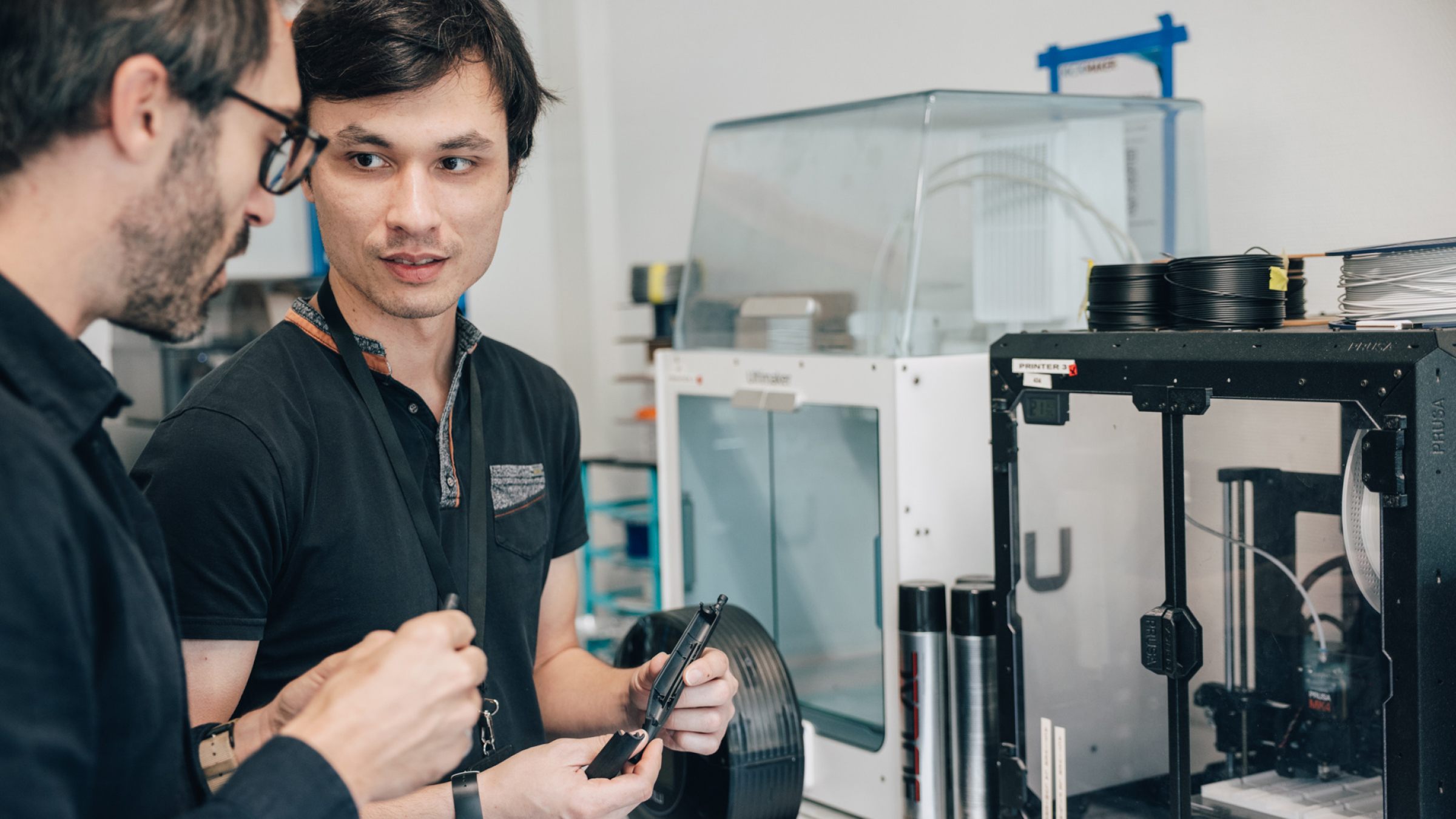


Meet the engineers behind the expertise
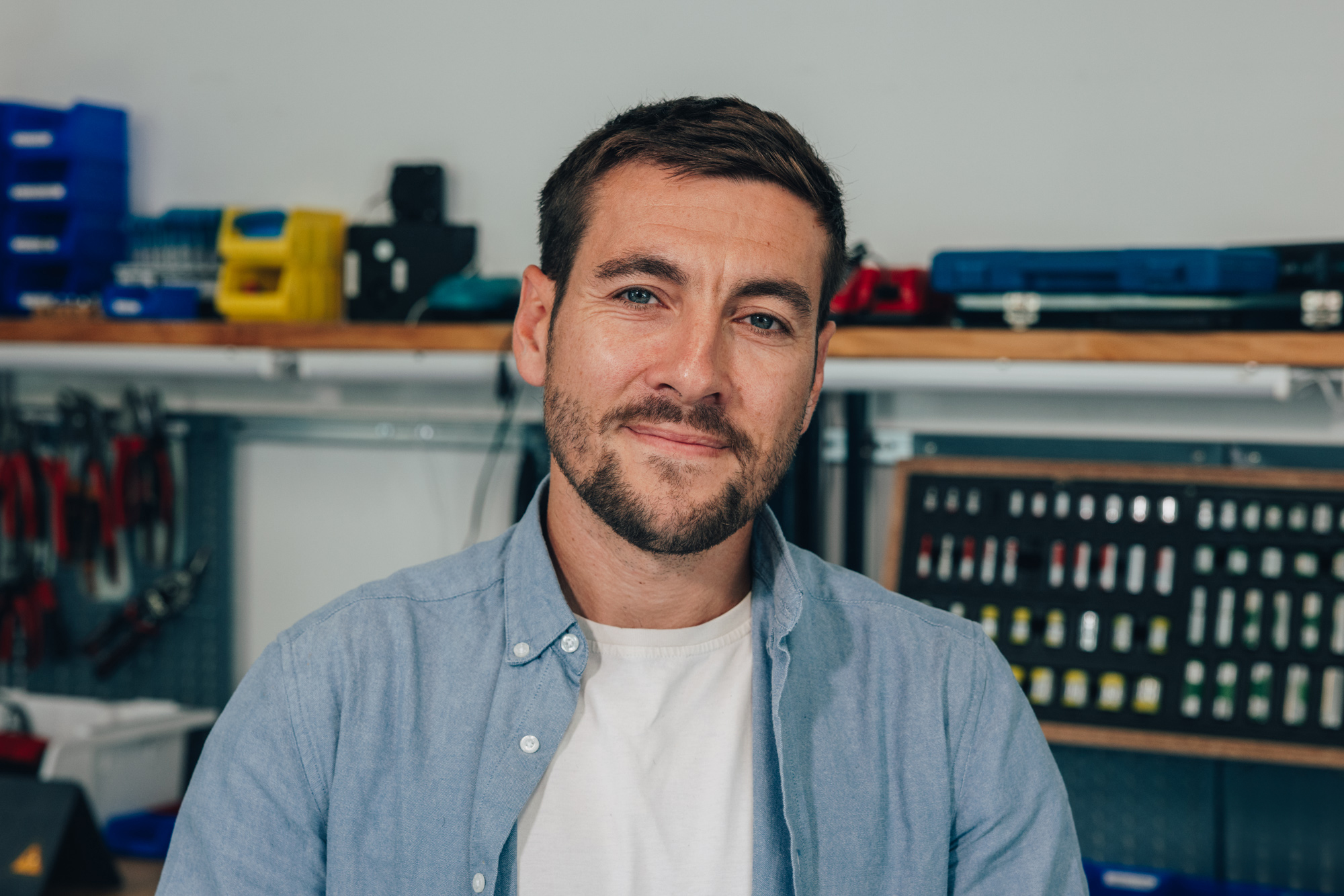
In robotics projects, we start with a clear understanding of the use cases and build on a scalable architecture, testing both on prototypes and in simulation, while leveraging automation and reusable technology components. Our biggest challenge is ensuring the reliability and proper operation of the software running on the robot by diagnosing issues that can stem from the software itself or from the overall mechatronic system.

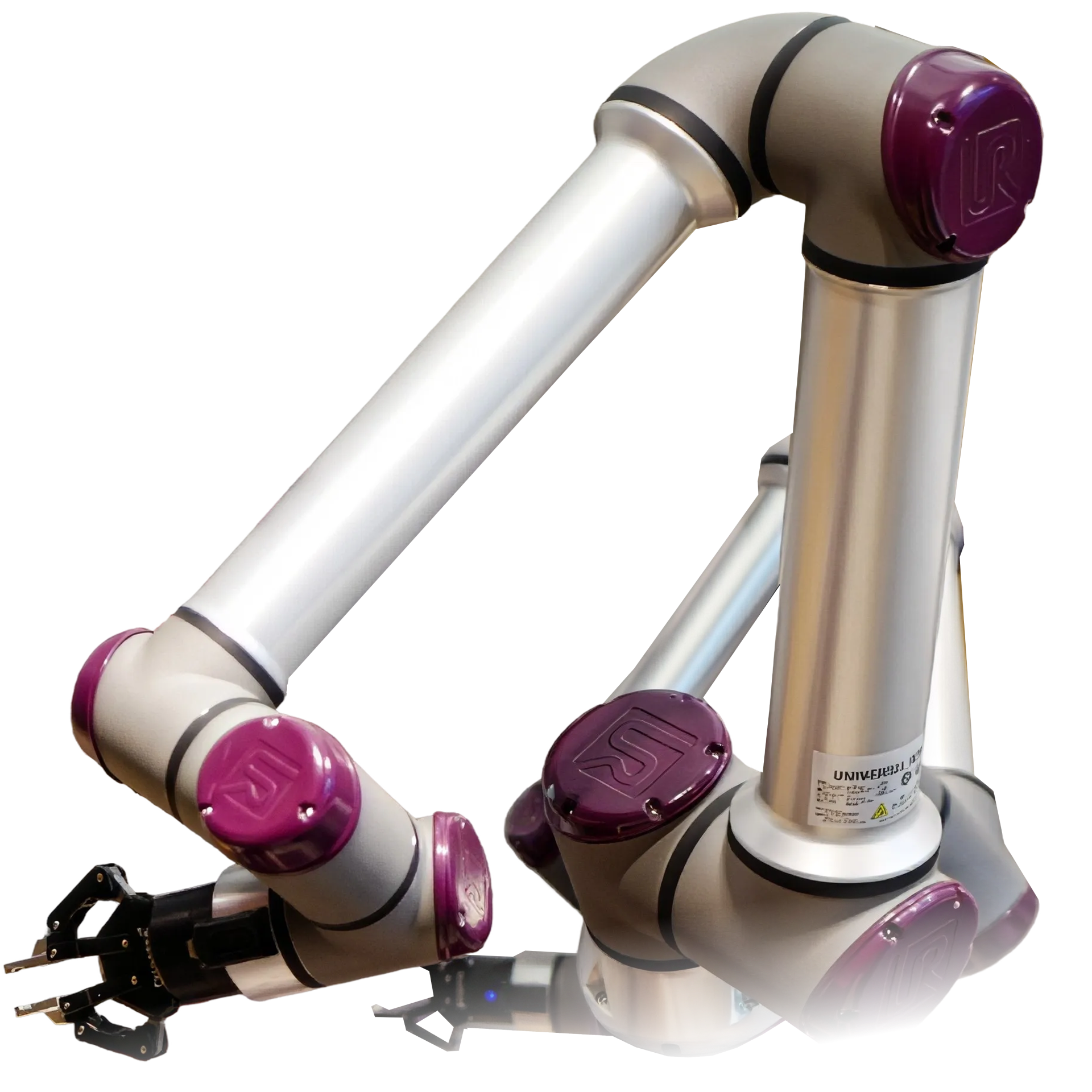
First automated pizza-making store
Pazzi Robotics transformed the fast-food industry with their pizza robot by creating the first fully autonomous restaurant. Kickmaker developed a scalable prototype of a cloud-connected, machine-learning platform featuring robots and robotic modules, allowing the restaurant to operate independently.
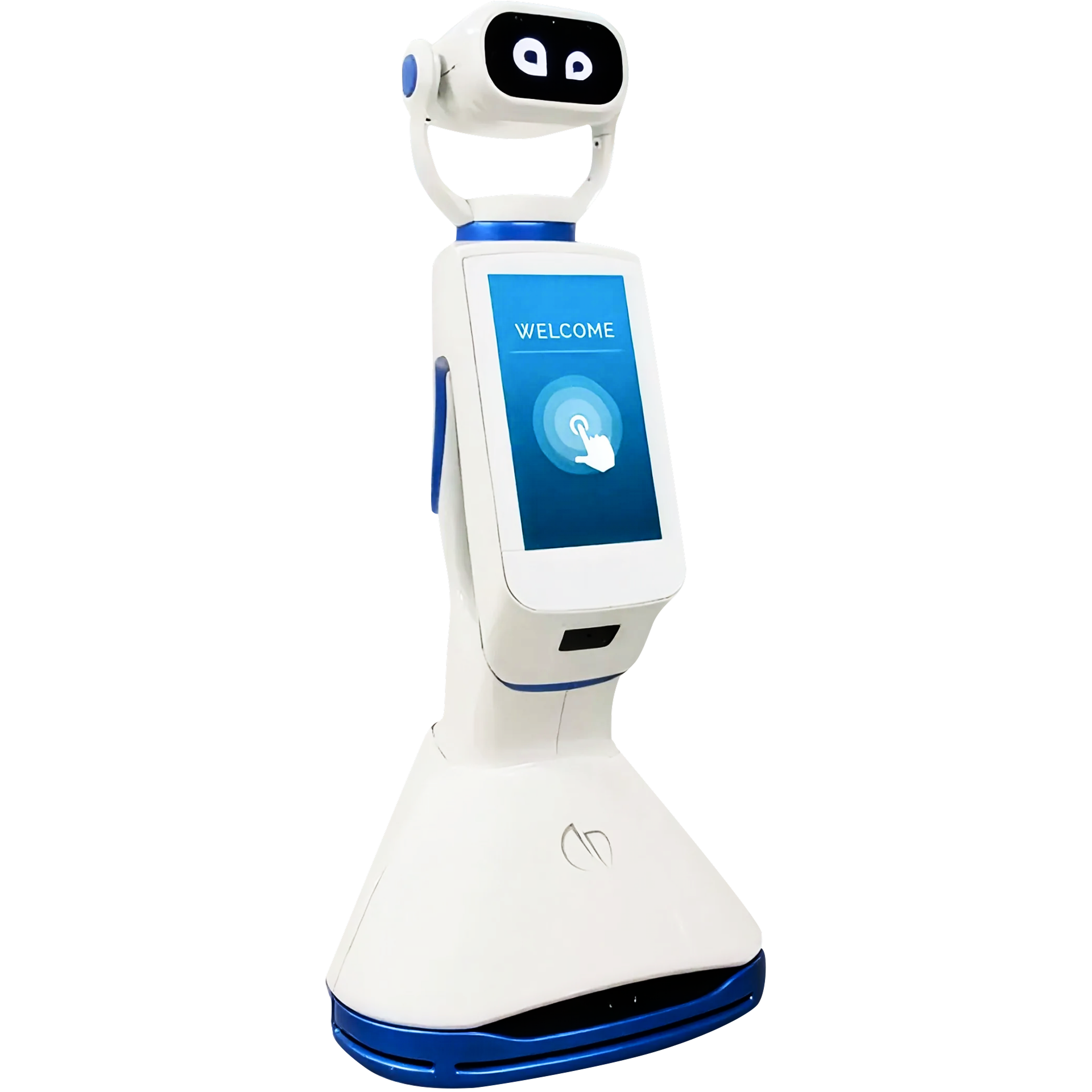
Interactive robot
Hease Robotics’ objective was to improve and industrialize its reception robot, geared towards the retail and hospitality industry. Designed to enhance user experiences through its robots in environments like shopping malls, hotels, and trade shows, Hease required significant technical advancements and preparation for mass production.
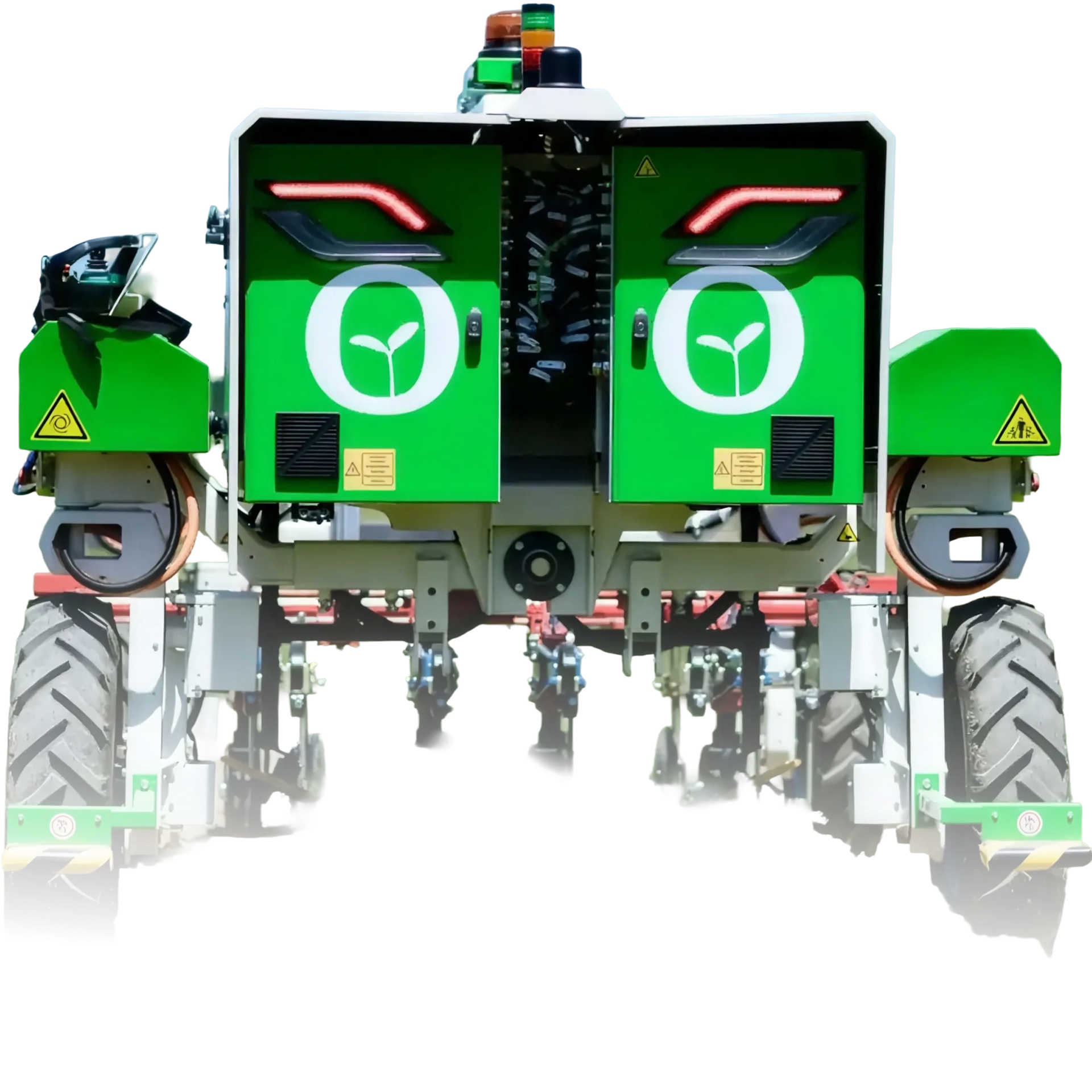
Precision farming robots
Naïo Technologies designs autonomous robots for precision farming and sought to enhance the reliability of their robots. We offered our expertise in low-level software support, certification, and sourcing.
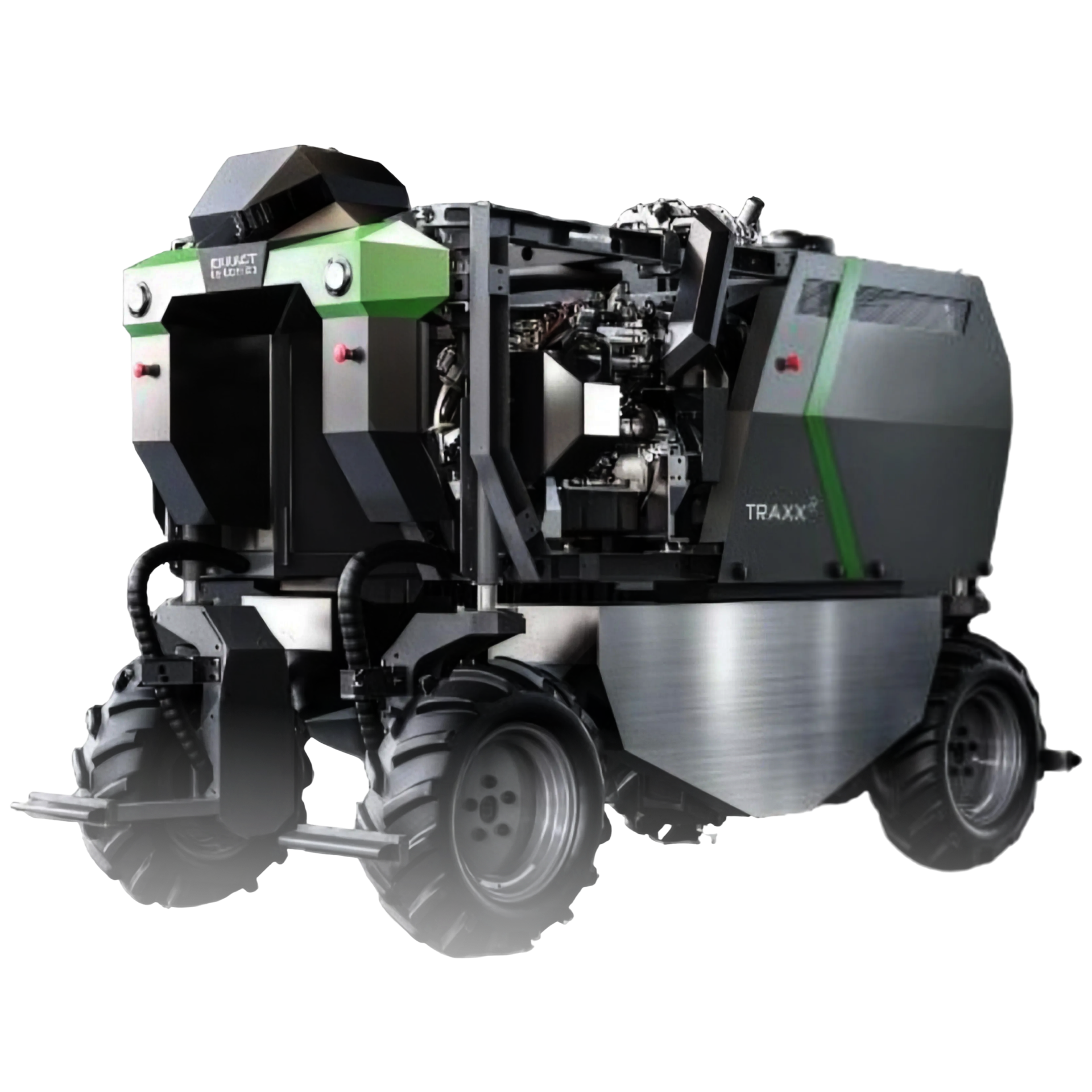
Technical developments for Exxact Robotics
Exxact Robotics creates cutting-edge solutions for precision agriculture, integrating perception technologies, AI, and robotic systems.
The project’s goal was to develop a new generation of autonomous straddle tractors powered by hydrogen fuel cells.
Robotics Industry Applications at Kickmaker
Robotics Engineering FAQ
What is your framework for transitioning from ROS-based engineering prototypes to deterministic, real-time RTOS for serial production?
There is no automatic ROS-to-RTOS transition. Timing, latency, jitter, hardware resources, isolation needs, and failure behavior determine the runtime partition. ROS 2 may remain appropriate for some functions while time-critical control moves elsewhere. Target-hardware measurements guide the production architecture.
How do you integrate ISO 13485 (Medical) or ISO 10218 (Industrial) compliance into the QMS definition and NPI process for US deployments?
Applicability depends on product classification, jurisdiction, and the responsibilities assigned to each party. Within the agreed scope, Kickmaker connects requirements, risks, design records, verification evidence, and production controls. The client and relevant external bodies retain approval and certification roles.
How does Kickmaker handle kinematic redundancy and singularity avoidance during the DFM phase of robotic arms?
Redundancy is resolved before it becomes a manufacturing constraint. We run workspace and singularity analysis at architecture stage, covering Jacobian conditioning across the reachable envelope, manipulability mapping, and null-space usage for redundant degrees of freedom, then use the result to drive DFM decisions: joint range limits, transmission ratios, harness routing, and where to spend tolerance budget. Where a singularity cannot be designed out, it is handled explicitly in the motion planner with damped least-squares control and validated on hardware during the engineering build test, so the mitigation is proven before tooling is committed.
What is your framework for transitioning from ROS-based engineering prototypes to deterministic, real-time RTOS for serial production?
We keep ROS 2 where it earns its place, in perception, planning, orchestration, and tooling, and move the hard real-time control loop onto an RTOS or bare-metal target with a defined interface between the two. The transition is staged: characterize the prototype stack to establish real latency and jitter budgets, split the software along those measurements, port the deterministic layer onto a PREEMPT_RT or dedicated MCU target with a real-time fieldbus (EtherCAT, CAN FD), then re-run the full validation campaign on the production architecture. Every step is measured against the prototype baseline, so nothing is assumed to have survived the port.
How do you integrate ISO 13485 (Medical) or ISO 10218 (Industrial) compliance into the QMS definition and NPI process for US deployments?
Compliance is a design input and an NPI deliverable, never a final gate. Applicable standards are mapped to requirements at kickoff, then flowed into the design history file, risk analysis (ISO 14971 for medical, ISO 12100 and ISO 10218 / ISO/TS 15066 for industrial and collaborative robots), the verification and validation plan, and the production control plan. For US deployments we align that frame with FDA 21 CFR Part 820 QMSR expectations on the medical side and applicable ANSI/RIA and OSHA requirements on the industrial side, including supplier qualification, process validation, and traceability records your site maintains from day one of the ramp.
Talk to us and see what’s possible
Tell us about your product, its current stage, and the challenge ahead. We’ll discuss your priorities and identify where our team can help you take the next step.
"*" indicates required fields