Expert Embedded Software Development & Firmware Services
Hardware innovation fails for one reason more often than any other: the software behind it was never built for mass production. Kickmaker is the industrialization partner that takes embedded projects from a working prototype to a certified, manufacturable product. Our engineers write firmware and embedded software that survives regulatory audits, supply chain constraints, and real factory floors, not just lab benches.[
Transforming Complex Hardware into Scalable Digital Products
From resource-constrained microcontrollers (MCU) to sophisticated multi-core processors, writing code that interacts directly with hardware requires specialized expertise. Kickmaker gives you access to a multidisciplinary team that anticipates hardware limitations early in the design phase, eliminating costly redesigns later in the lifecycle.

Bare-Metal & RTOS Firmware Engineering
Kickmaker engineers master both bare-metal programming and Real-Time Operating Systems (RTOS developement). For low-latency applications, we develop optimized bare-metal firmware that efficiently exploits the hardware. For more complex architectures requiring multitasking and strict timing guarantees, our preferred approach is to leverage an RTOS such as FreeRTOS or Zephyr. Our engineers anticipate entire classes of vulnerabilities by choosing the right technology
Board Support Packages (BSP) & Device Drivers
We develop board support packages, hardware abstraction layers (HAL), and custom device drivers that let application software run independently of the underlying silicon.
This critical choice protects your infrastructure revision without a full software rewrite.
IoT Connectivity & Edge AI Integration
Connected products need more than a working radio. We integrate BLE, Wi-Fi, LTE, and LoRaWAN connectivity alongside cloud platforms such as AWS IoT and Azure IoT. We also deploy Edge AI models directly on resource-constrained microcontrollers, including ARM Cortex-M targets.
Embedded Security & Encrypted FOTA Updates
We protect field-deployed hardware with secure boot, hardware cryptography, protected key storage, and encrypted FOTA updates. Your future remote patches will last longer and extend product life while reducing costly physical interventions.




Meet the engineers behind the expertise

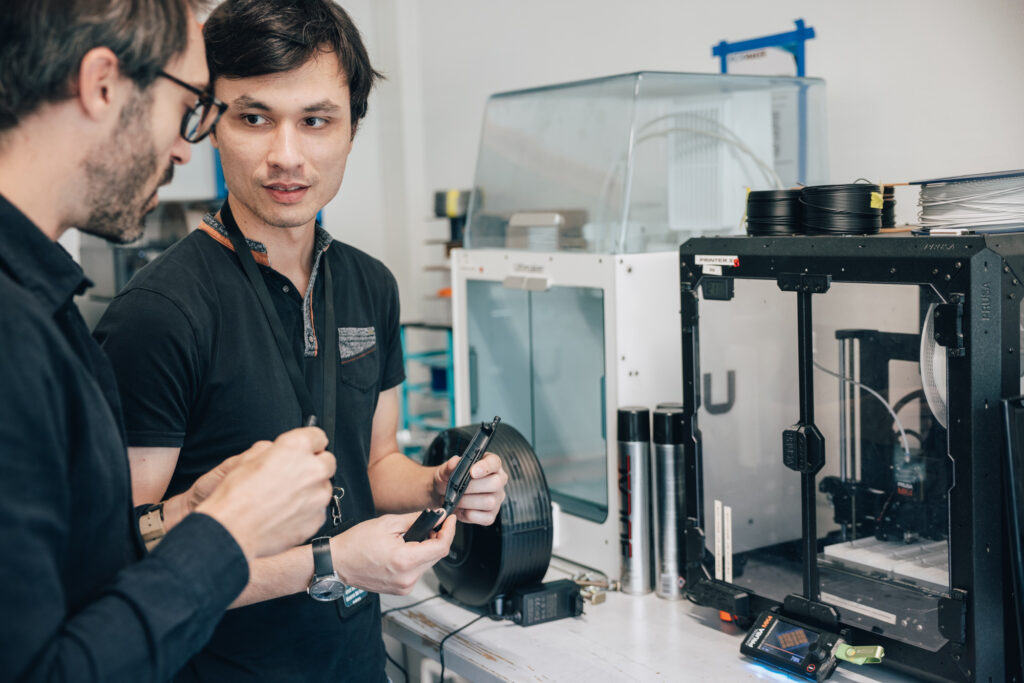
In embedded software, it’s essential to understand the product as a whole, its constraints, and how it interacts with other engineering disciplines. At Kickmaker, we’re involved at every stage, from requirements and architecture to development and testing, working closely with other teams throughout the process.

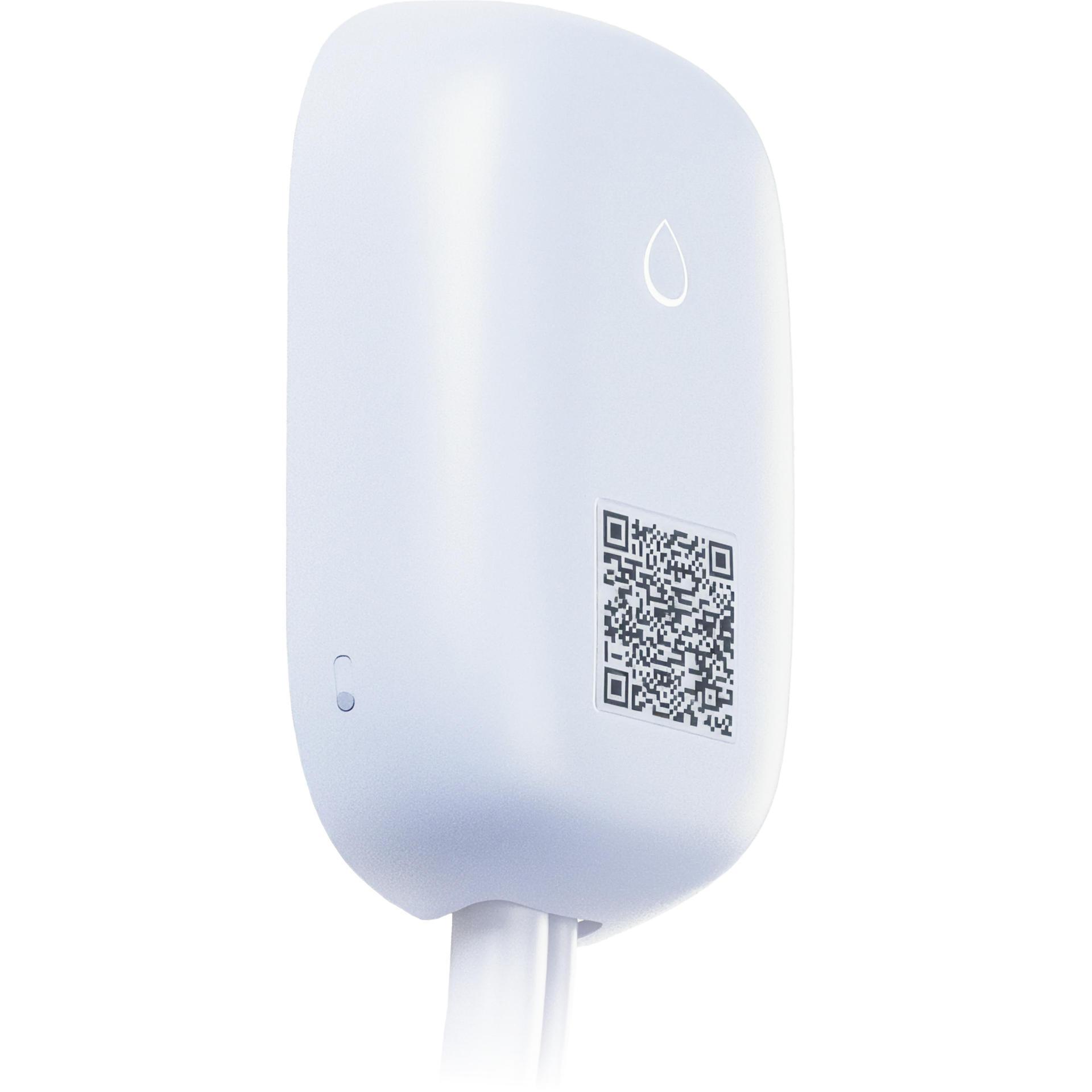
Elax énergie: smart device for water heater
Elax sought an external engineering partner to provide industrial support for the development of their advanced water heater systems. The focus was on electronics integration, product certification, and sourcing.
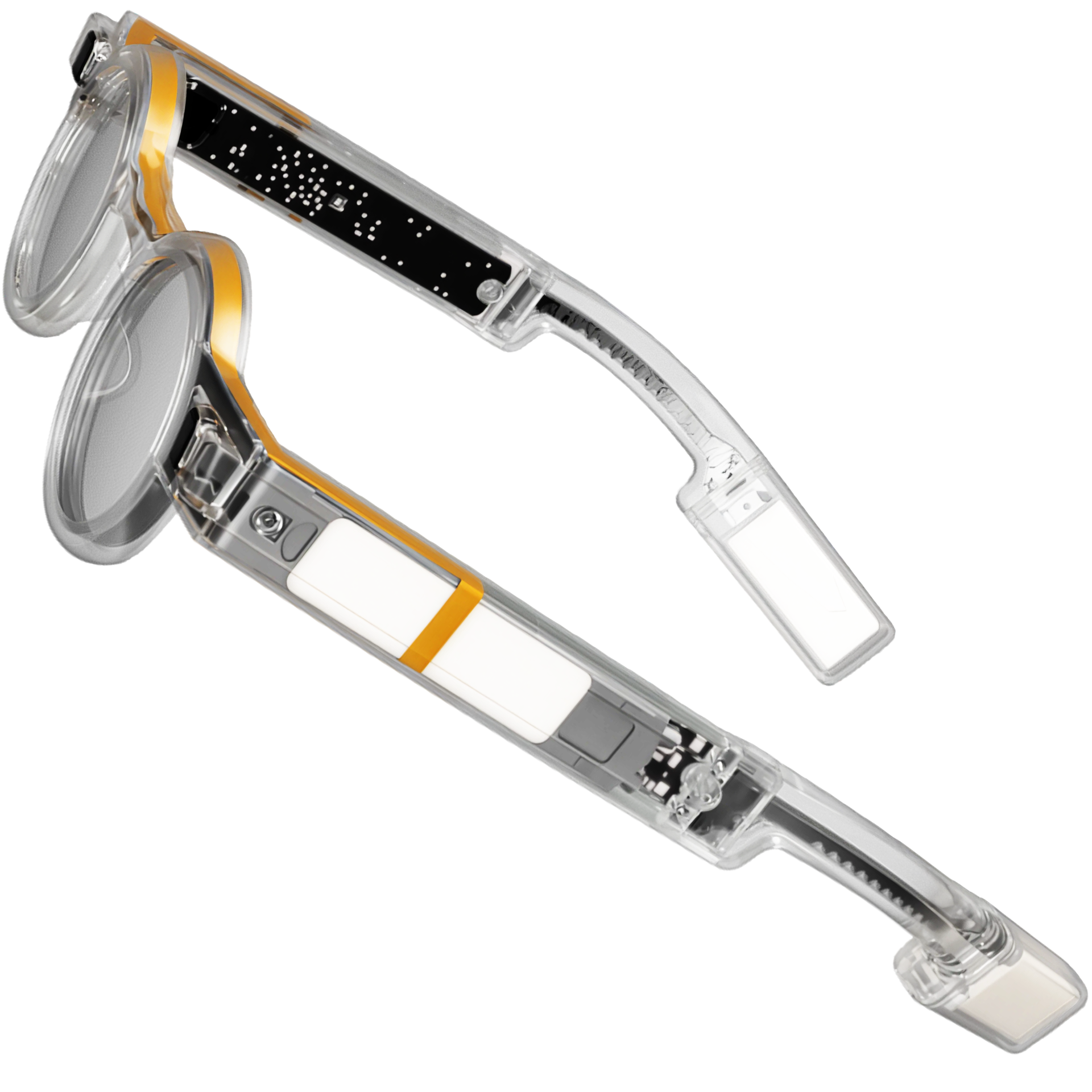
Laclarée: Revolutionizing vision with autofocus lenses
Laclarée is a deep tech startup based in Lyon, France, that has developed a new generation of autofocus eyewear in partnership with Kickmaker.
Proven Cross-Industry Embedded Expertise
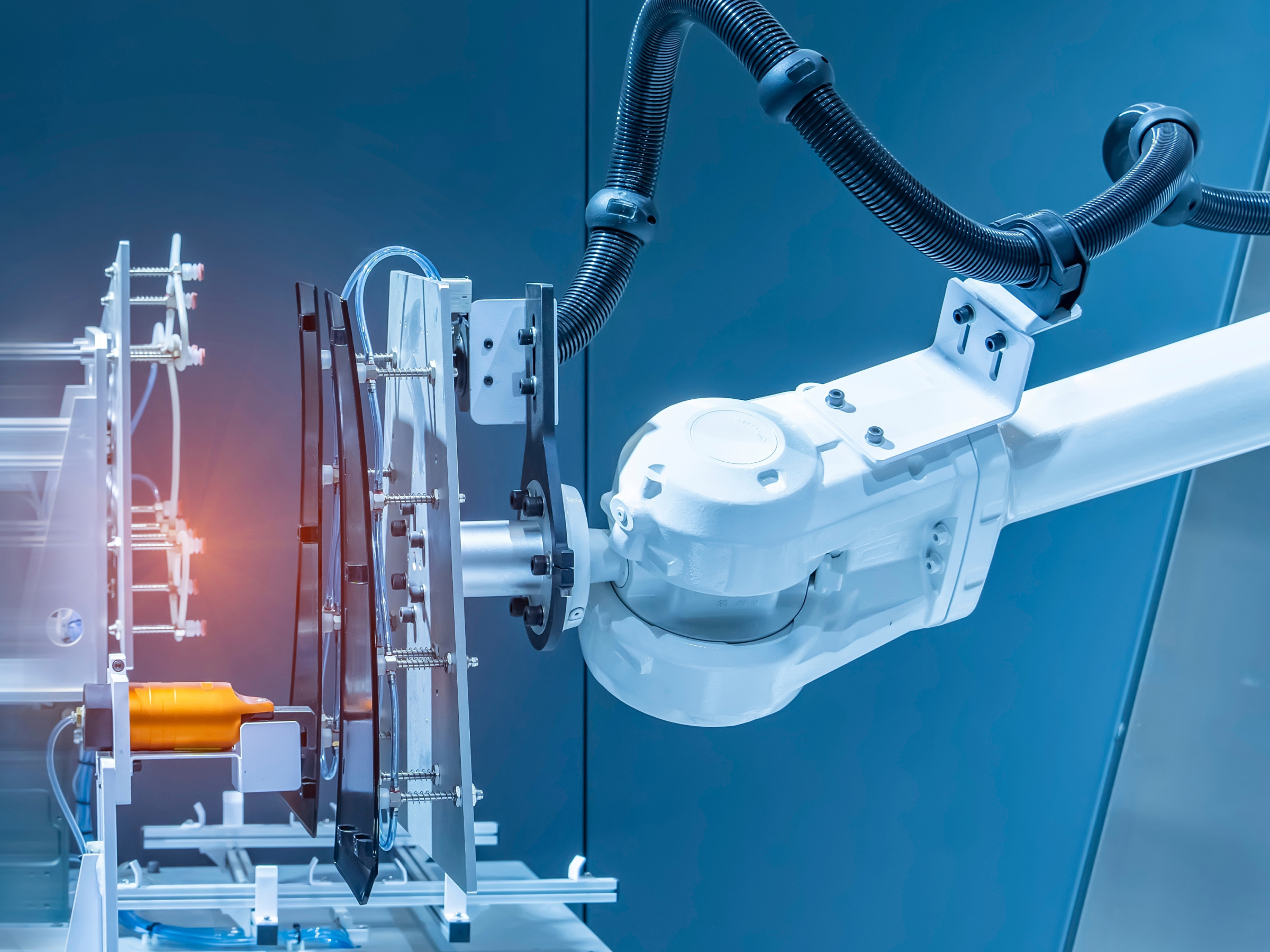
Our firmware engineering team successfully delivers complex solutions across regulated and demanding sectors. For example, we understand the stringent compliance and safety requirements inherent to Medical devices, where patient safety is paramount. Similarly, our experience in Aerospace & Defense informs our rigorous approach to mission-critical systems.
Regulated Embedded Software: Medical, Aerospace & Industrial
Kickmaker’s compliance protocol is designed into the architecture from day one, so audits become a formality instead of a rework cycle. Regulated hardware ships on documented, traceable, and auditable software. This is why our clients in Medicaland Aerospace & Defense come to us. We have the experience to avoid a missed requirement which could delay a product launch by months.

Advanced Technical FAQs on Embedded Systems
How do you ensure compliance with FDA software validation guidelines (21 CFR Part 11) for embedded systems in medical devices?
We build traceability into the development process itself: requirements, code changes, and test results are logged and version-controlled from the first commit. This produces the audit trail that 21 CFR Part 11 expects, without requiring a separate documentation effort at the end of the project.
What architectural approaches do you use to integrate embedded Edge AI models on resource-constrained ARM Cortex-M microcontrollers?
We favor quantized, lightweight models designed for the target’s memory and compute budget, rather than adapting a model built for a larger platform. Inference code is profiled early, since power and RAM constraints on Cortex-M devices leave little room for correction late in a project.
How does your CI/CD pipeline for embedded firmware handle automated Hardware-in-the-Loop (HIL) testing across distributed teams?
When a project allows or requires it, we build robust containerized CI/CD pipelines (via GitLab CI) that trigger test runners hosted on dedicated HIL test rigs located in our micro-factories. Pushing code makes the pipeline cross-compile the firmware, flash it automatically onto the target hardware via JTAG/SWD debug probes, and execute Python-based test scripts (often using frameworks like Pytest). These scripts interact with test equipment (programmable power supplies, logic analyzers, I/O simulators) to validate physical behavior, reporting results.
How do you resolve priority inversion and guarantee deterministic execution in RTOS-based mission-critical applications?
We apply priority inheritance protocols and careful task scheduling design during architecture, rather than debugging timing issues after integration. Deterministic behavior is verified through targeted stress testing before a design is considered stable.
How do you ensure the success of such diverse projects while maintaining the same high standards and level of expertise?
Kickmaker is ISO 9001 certified, and our medical engineering team holds ISO 13485 certification. We develop software following IEC 62304 lifecycle processes for connected medical devices, and we align firmware validation with FDA 21 CFR Part 11 requirements for electronic records and signatures.
For safety-critical industrial and aerospace applications, our teams can design to MISRA C guidelines and support IEC 61508 functional safety objectives, backed by static code analysis integrated directly into the build pipeline.
Talk to us and see what’s possible
Tell us about your product, its current stage, and the challenge ahead. We’ll discuss your priorities and identify where our team can help you take the next step.
"*" indicates required fields