Expert Medical Device Development Services
You need to advance a medical device without losing the connection between its intended use, its risks and design choices. Kickmaker supports your teams on the engineering work entrusted to us: we translate project needs into technical requirements, build prototypes to resolve uncertainties and document the verification needed for development decisions.
We work alongside the manufacturer and its quality and regulatory-affairs teams. The manufacturer defines the device’s intended use and leads its final validation, regulatory file and path to CE marking.
The Medical Device Product Lifecycle
A useful lifecycle links intended use, user needs, design inputs, verification, validation and production records. Each gate should identify the tested configuration and what remains open. This continuity makes change manageable when technical findings, clinical evidence or the regulatory route evolve.

Stage 1: Research & Concept Feasibility
Starting from the intended use defined by the manufacturer, we examine users, operating conditions and expected performance. Patient contact, operator actions, accessories and data exchanges identify critical interfaces. Within our engineering scope, risk analysis links hazards and controls to design inputs and verification criteria.
A focused proof of concept may characterize an optical chain, a microfluidic flow or a physiological-signal acquisition path. Its purpose is to resolve a feasibility question—not to imply that the complete device has been validated.
Stage 2: Product Development & Prototyping
Different prototypes answer different questions. A bench rig may prove the physical principle. A representative prototype must show how the housing, firmware, sensor and user interaction work together. We define the objective and limits of each build, document deviations and assess the effect of changes on requirements and risk.
Design reviews then make a technical decision possible: what is ready to carry forward, what must be measured again and which interfaces remain fragile.
A useful design history captures why an option was rejected as well as why one was chosen. That evidence matters when a later failure, supplier change or regulatory question reopens the same decision.
Stage 3: Pre-production & Clinical Validation
Kickmaker verifies the technical requirements assigned to its scope using defined configurations, methods and acceptance criteria. The manufacturer’s validation addresses intended use in representative conditions; clinical evaluation and any investigation remain under its regulatory strategy. Engineering test results can support, but do not replace, those decisions.
We connect requirements, risks, configurations and results in a traceable verification plan. For an applicable electromedical system, electrical safety and electromagnetic compatibility may call for IEC 60601-1 and IEC 60601-1-2 testing. External laboratories and notified bodies retain their own roles.
Stage 4: Deployment & Serial Production
Before industrial transfer, the design must be linked to the bill of materials, tolerances, assembly, programming, calibration and end-of-line tests. We examine component availability and obsolescence so the production path does not depend on a single fragile choice.
Where required, the manufacturer and production site determine installation, operational and performance qualification. Kickmaker prepares the product definition and test methods for transfer within its agreed scope. If post-market feedback raises a design question, we can investigate its technical impact; the manufacturer manages surveillance and market actions.
If production takes place in a controlled environment, the site must establish the relevant environmental and process controls. Our contribution is to make the product’s critical characteristics and inspection methods transferable to that setting.

Navigating Regulatory Compliance: FDA, ISO 13485 & CE Marking
The applicable pathway depends on intended use, classification and target market. For the EU, Regulation (EU) 2017/745 frames safety and performance requirements, clinical evaluation, technical documentation and surveillance. Kickmaker supplies engineering evidence from its assigned work; the manufacturer determines the conformity route and manages any notified-body interaction.
ISO 13485 concerns the quality management system, while ISO 14971 structures medical-device risk management. Neither standard certifies an individual product. If the manufacturer also targets the US market, it defines a separate FDA pathway; US requirements do not replace the EU CE route.


Strategic Partnership for Manufacturing Scale-Up
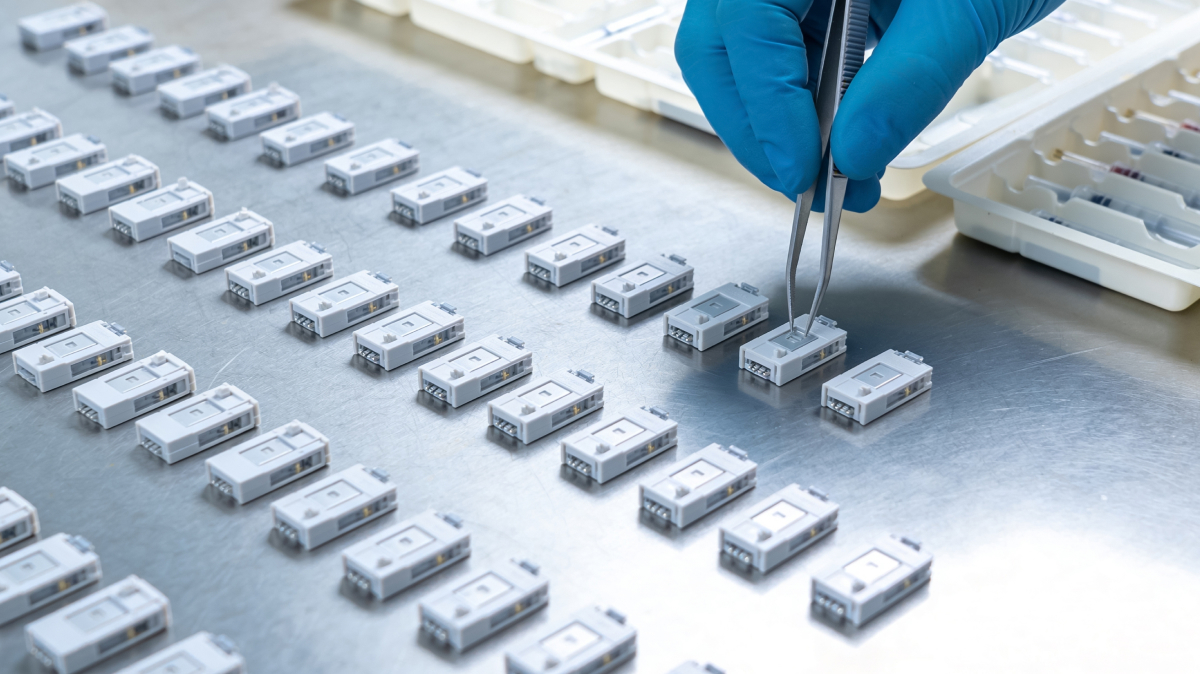
Scale-up connects design intent to a stable process. We work with the manufacturer and site on sourcing, test methods, fixture concepts and production documentation. The goal is a device whose critical characteristics can be measured and controlled in series—not a prototype repeated by hand.
The manufacturer defines intended use, claims, the quality system and regulatory submissions. Kickmaker’s role is to provide multidisciplinary engineering, risk analysis for the development scope and evidence at the agreed interface. This boundary must remain explicit when a device moves toward clinical use or commercial release.
A focused project may concern an acquisition chain, embedded module, verification bench or industrial-transfer question. We define the tested configuration, deliverables and decision to be made so subsystem work stays connected to device-level requirements without claiming the manufacturer’s overall validation role.

Blood lab diagnostics machine
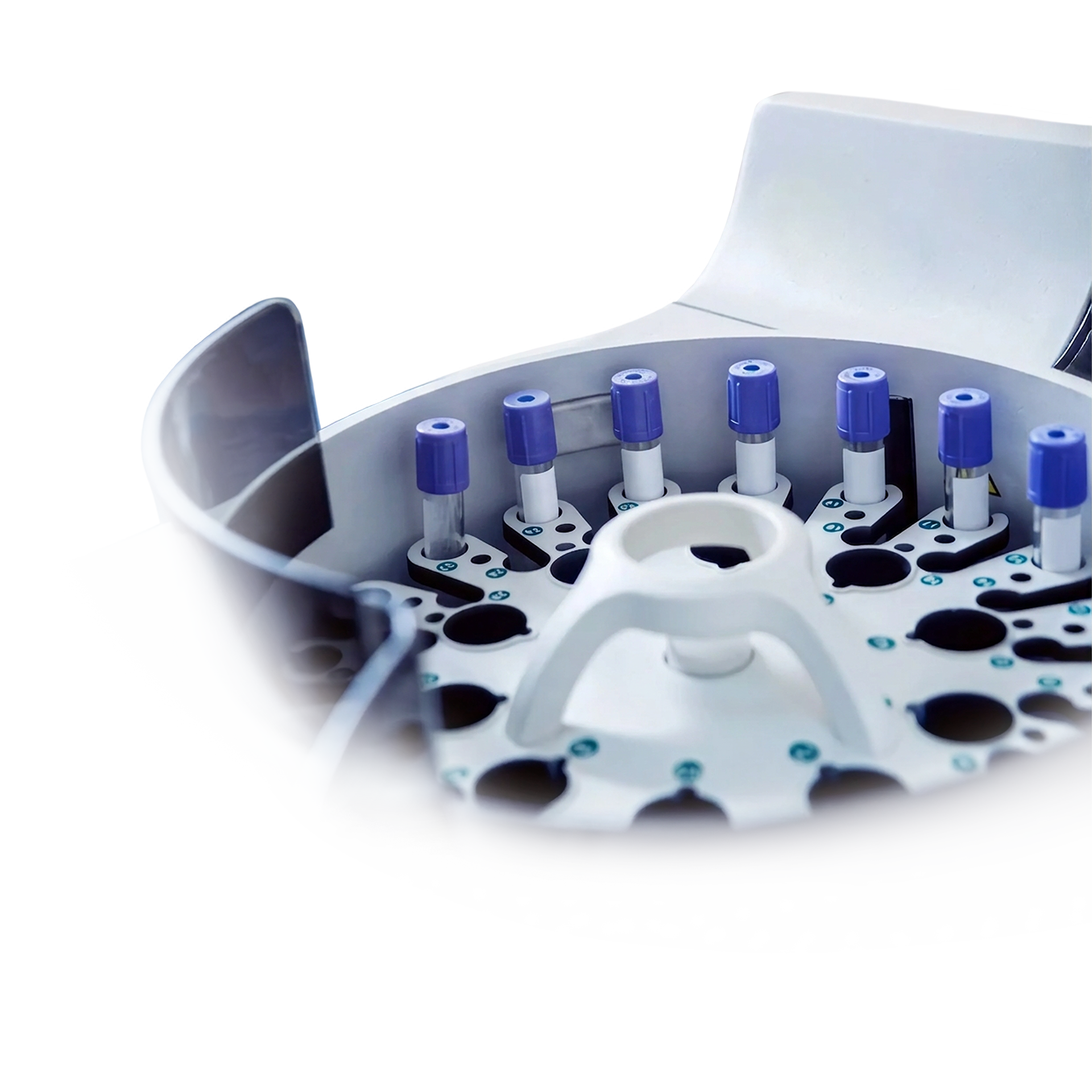
Our client was developing an innovative medical diagnostics machine for blood sample analysis. To ensure the project’s success, they entrusted us with the complete development of a cost-effective hemostasis IVD (In Vitro Diagnostic) system.
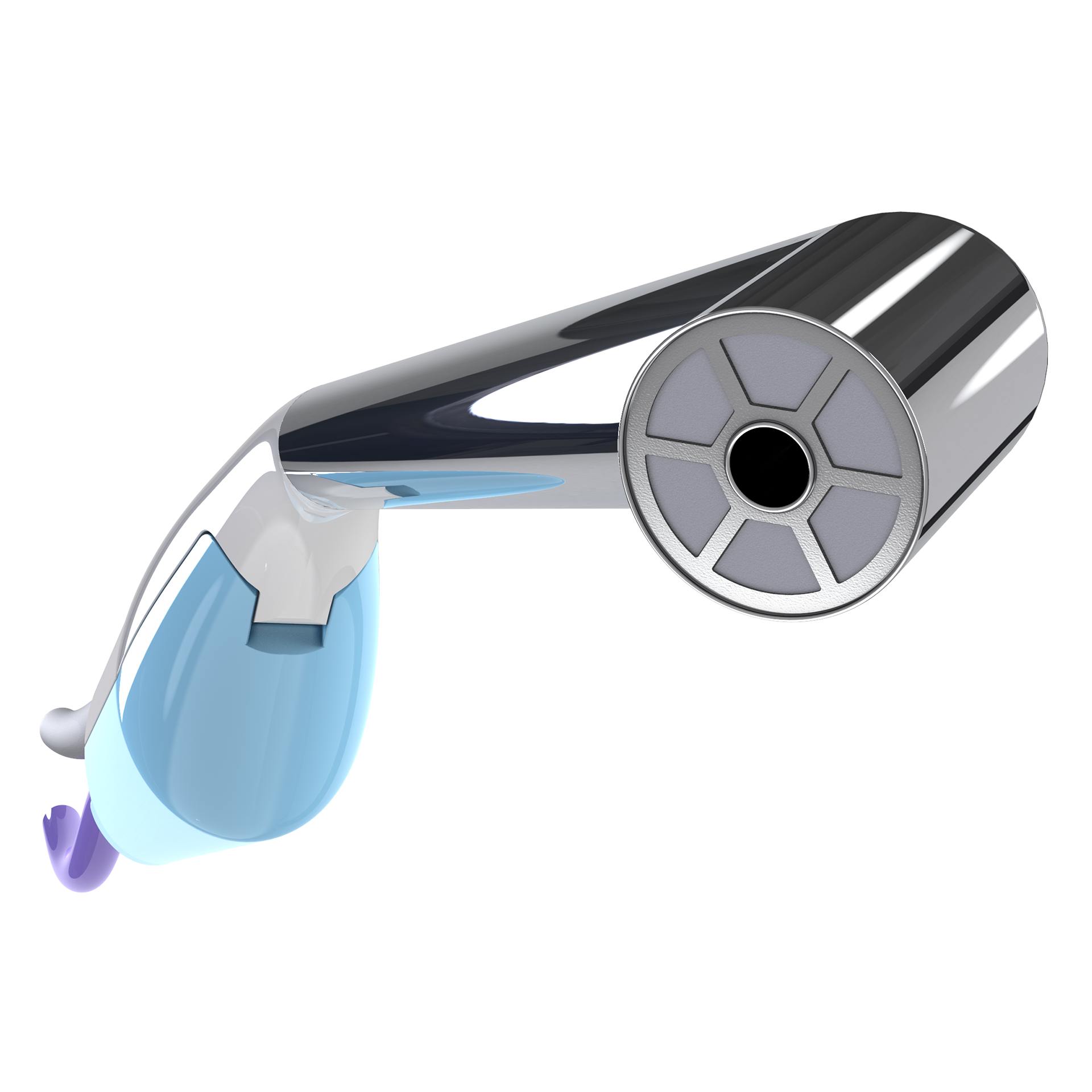
Innovative Surgical Probe
Beams asked Kickmaker to redesign TRIOP’s technological architecture. Our approach focused on optimizing the component integration to enhance the probe’s precision and sensitivity for detecting tumor cells.
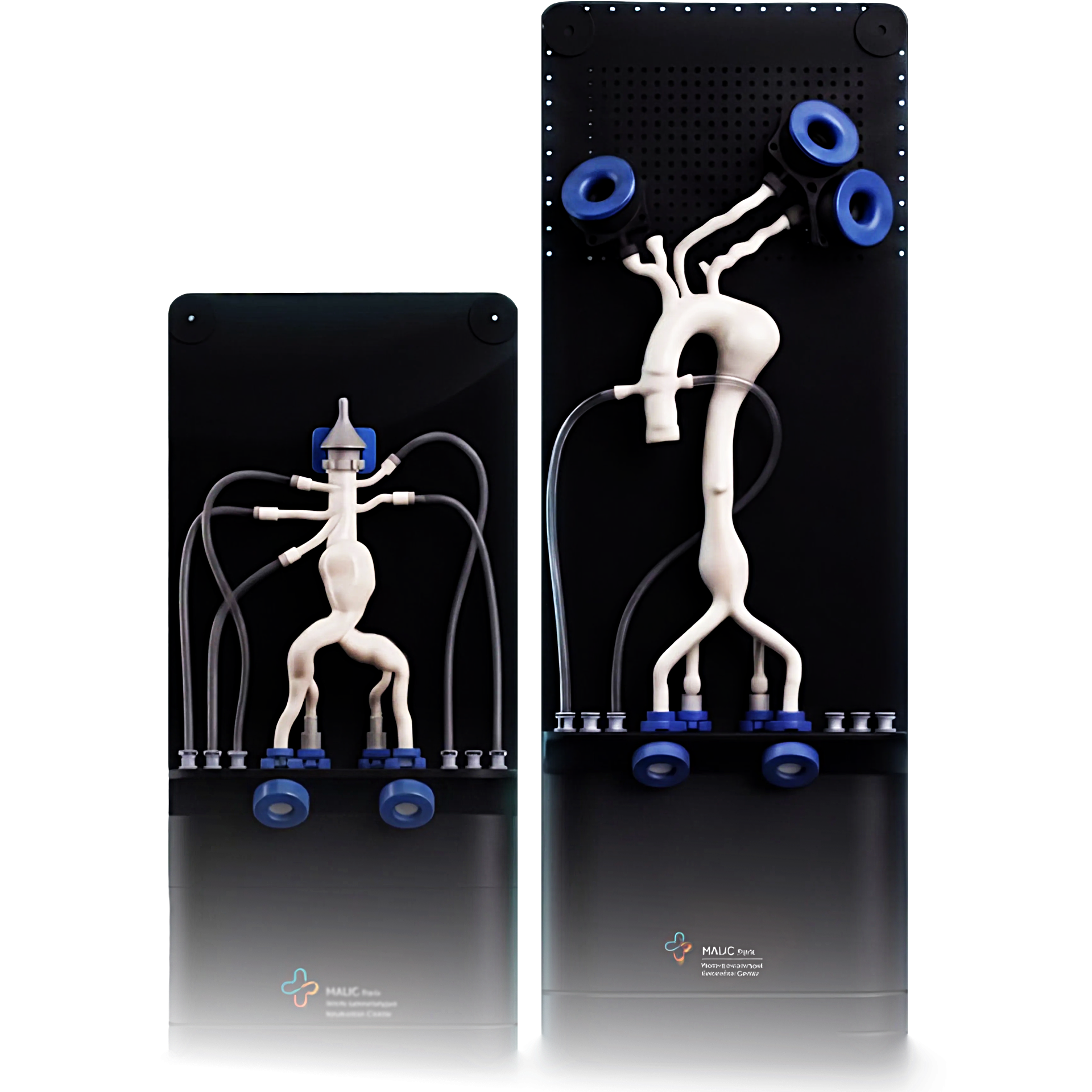
MAL-Ao: From simulation to the operating room: a test bench for aortic surgery
Faced with the limitations of existing solutions, unrealistic, costly, and difficult to deploy, Hôpital Marie-Lannelongue through MALIC (Marie Lannelongue Innovation Center), sought to design a turnkey, immersive, and easily accessible alternative.
Within this framework, MALIC’s R&D team called on Kickmaker to develop the MAL-Ao surgical test bench.
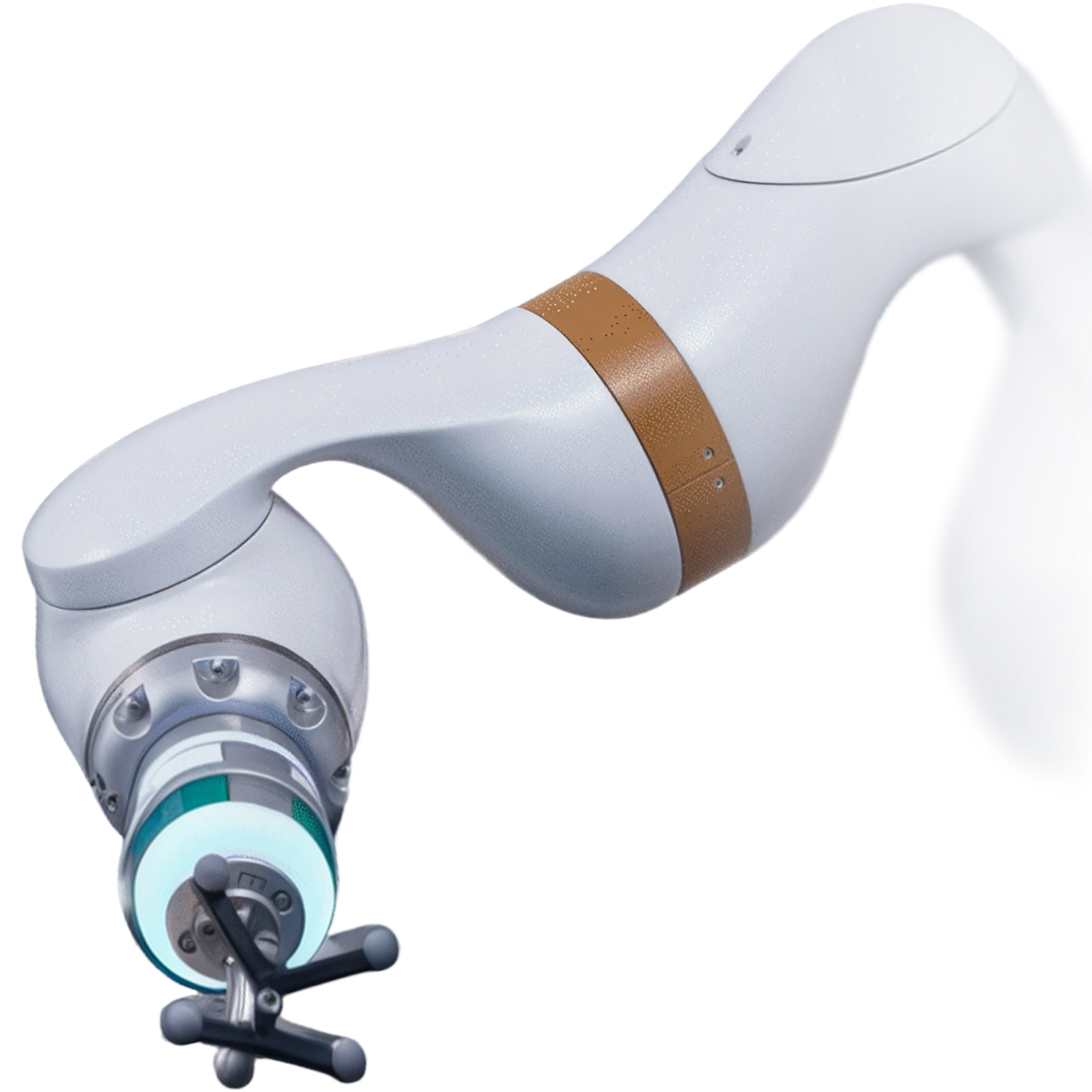
Test bench design
Ganymed robotics asked Kickmaker to design a test bench for testing passive actuators. The test bench had to measure the torque applied to the brake, as well as the deformation of the passive actuator via an encoder.
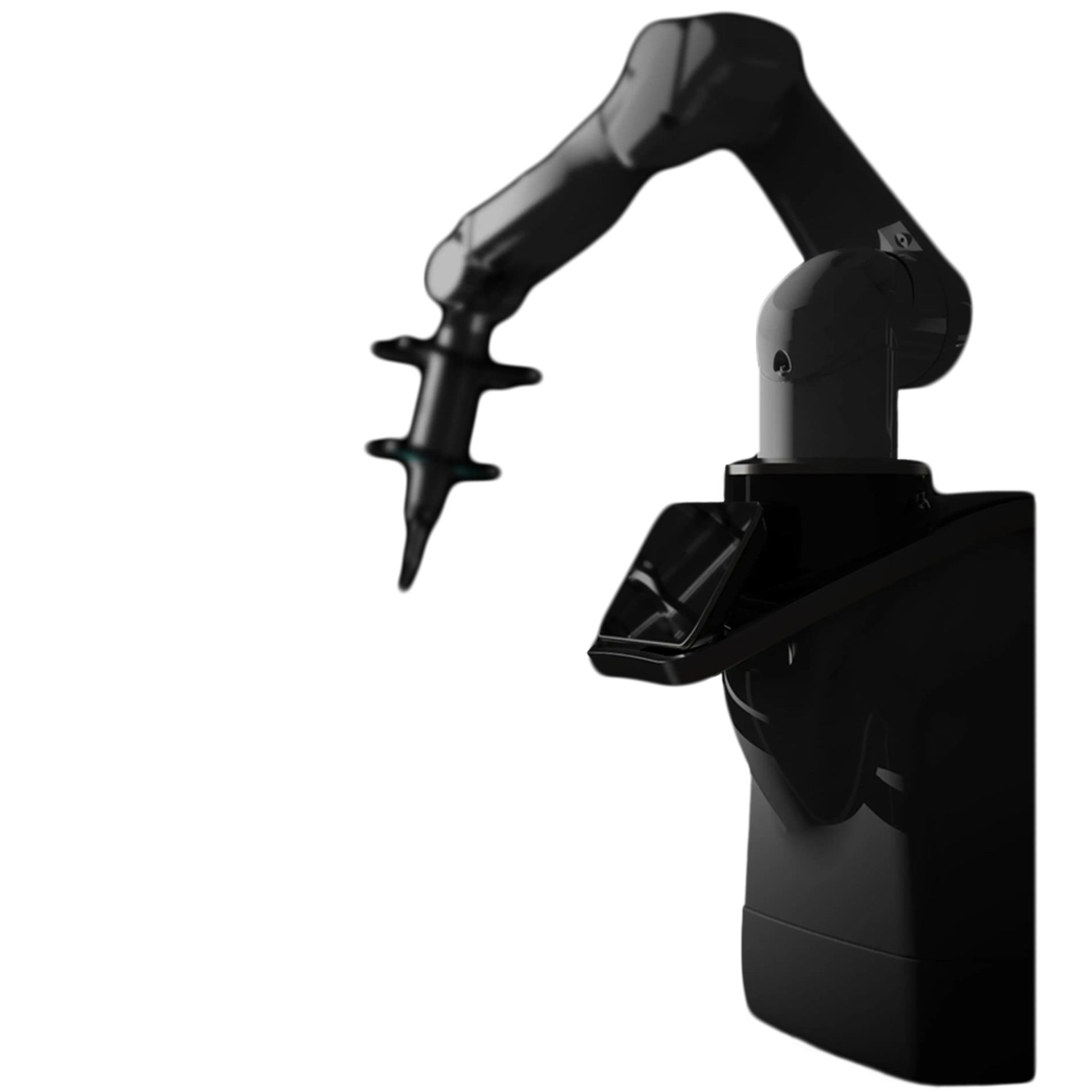
Lupin Dental: supporting the development of a dental robotic arm
Lupin Dental wanted to integrate a robotic arm into a mobile solution. Kickmaker supported Lupin Dental in the development and optimization of the robotic arm designed for dental implant placement and veneer preparation.
The engineering disciplines behind every Kickmaker build
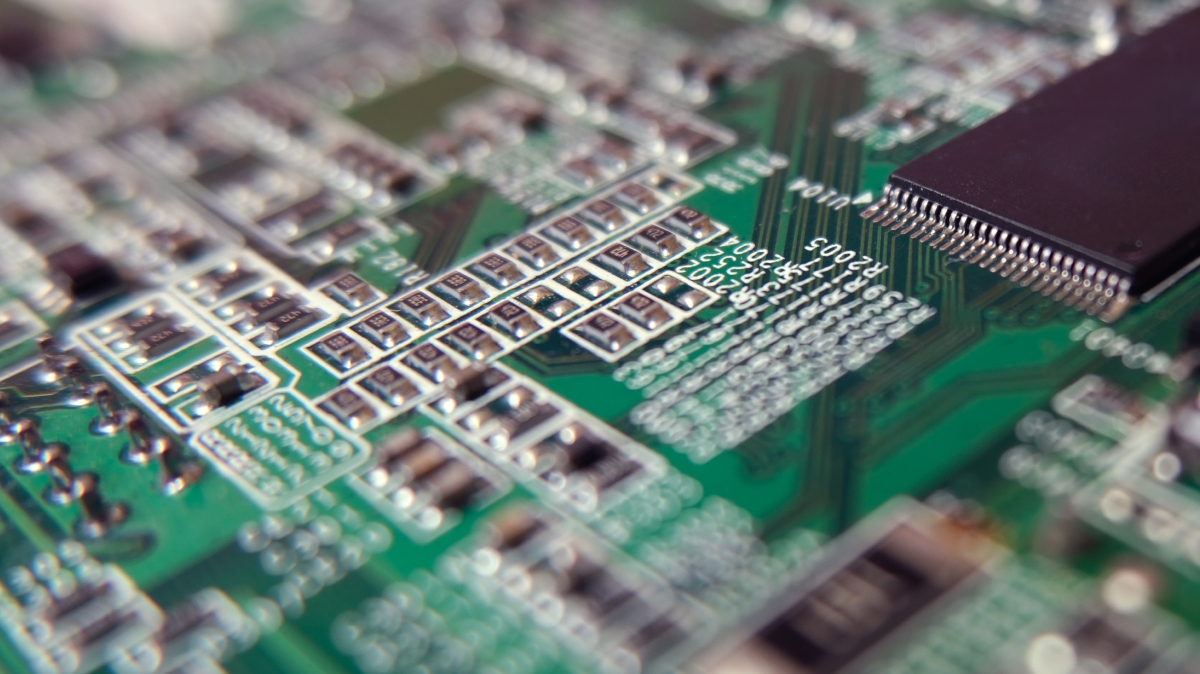
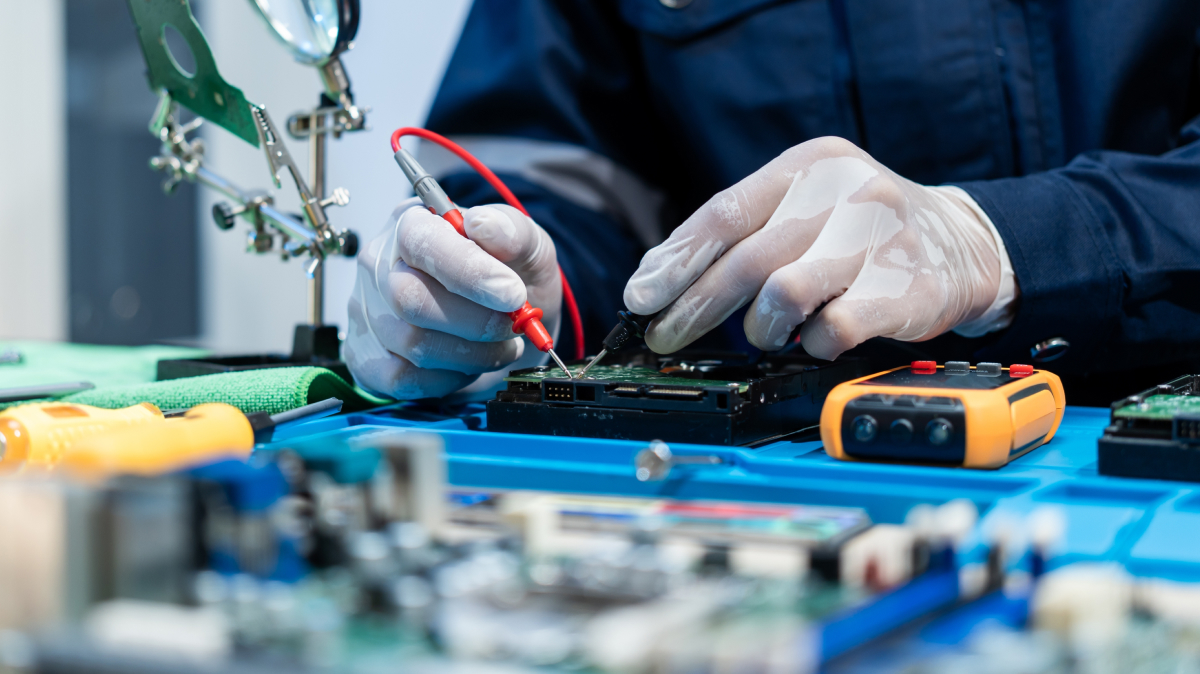
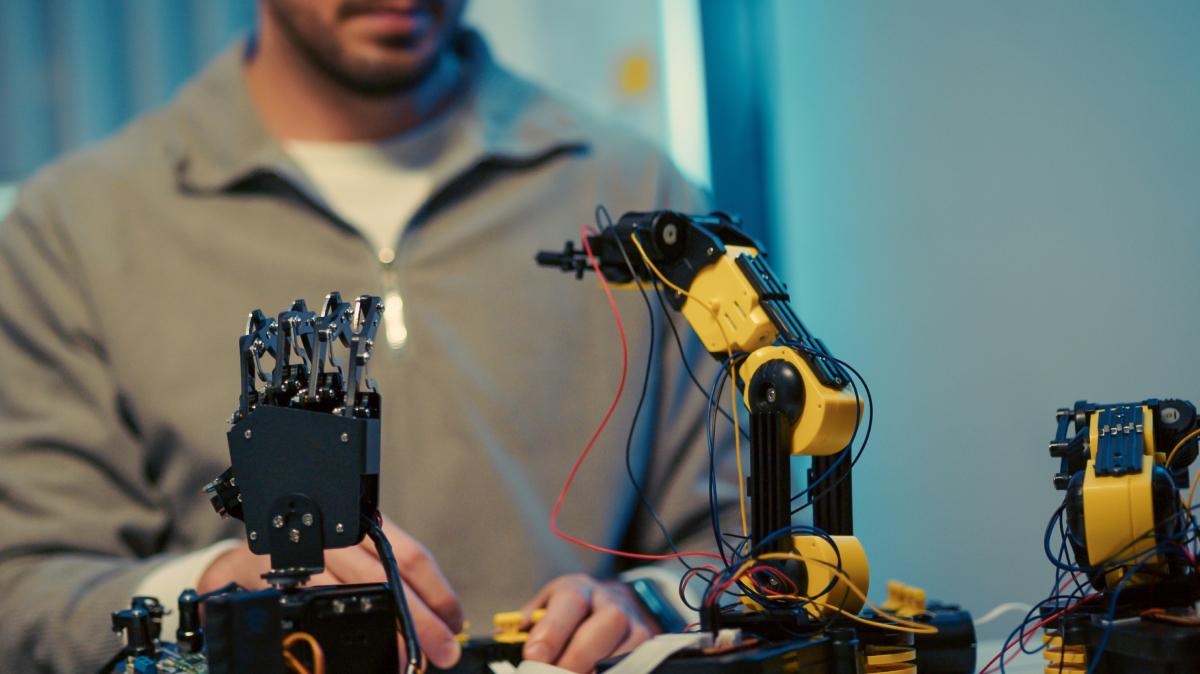
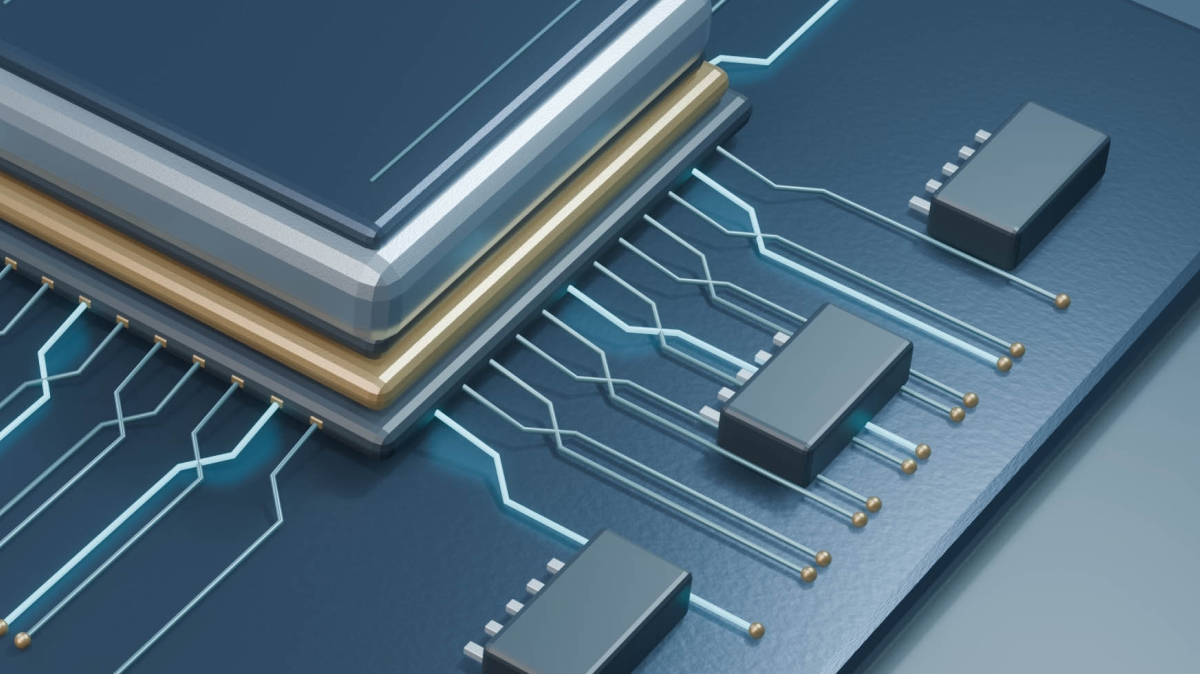
Product performance depends on how its parts work together. Heat from a circuit board, for example, affects enclosure design and firmware power management. Our engineers test these interactions on prototypes to help your team choose the next design step. Explore our hardware product development expertise:



Advanced Medical Device Engineering FAQs
When should risk management enter design?
As soon as the manufacturer defines intended use and the critical interfaces. Within Kickmaker’s scope, risks and controls can change a circuit, software behavior, enclosure or instructions; the resulting requirements must be verifiable.
Does design for manufacturing shorten CE marking?
It cannot guarantee a regulatory timeline. It can reveal process, supplier and tolerance problems early enough to avoid preventable rework.
What does ISO 13485 certification prove?
It relates to a quality management system within its certified scope; it does not by itself establish conformity of every product.
When does a notified body become involved?
The manufacturer determines whether one is required under the applicable EU conformity route and leads the interaction. Kickmaker can clarify its engineering choices and complete its technical deliverables when questions arise.
Can Kickmaker cover a single subsystem?
Yes. A sensing chain, embedded module, test bench or industrial-transfer question can be scoped independently while remaining traceable to the device-level requirements.
Talk to us and see what’s possible
Tell us about your product, its current stage, and the challenge ahead. We’ll discuss your priorities and identify where our team can help you take the next step.
"*" indicates required fields