Telecom Hardware Engineering & Manufacturing Solutions
The next frontier in telecommunications is not measured in throughput alone. It is taking shape where terrestrial networks meet low-Earth-orbit satellite constellations, where radio networks can also sense their surroundings, and in volumetric video that lets viewers choose their own point of view. For equipment manufacturers, these possibilities raise a practical question: how can radio performance, synchronization, local processing and energy efficiency come together in a product ready for deployment?
At Kickmaker, we address that question at equipment level. Our engineers combine electronics, radiofrequency, embedded software and mechanics according to the intended use. They assess technical choices on prototypes and prepare industrialization to move these new architectures toward serial production.
Accelerating 5G and Edge Device Deployment
Private 5G gives industrial sites and media production teams more control over connectivity. 5G Advanced, network slicing and edge computing create further possibilities, but only where the terminal, gateway and operator environment can support them. We evaluate useful throughput, latency, power, antenna integration and service continuity together.

Hardware & Electronics Engineering for Telecom
Telecom electronics starts with the service to be delivered: a custom PCB, power supply, edge compute, network interfaces, MIMO antennas and thermal management are selected as a coherent system. RF path layout, electromagnetic compatibility, shielding and accessible test points are checked before the enclosure is frozen.
RedCap, eSIM and non-terrestrial network compatibility are relevant only for the products and ecosystems that need them. These choices affect antenna design, firmware, power, certification and component availability; they are not interchangeable labels for future-readiness.
RF Validation and IoT Connectivity
A radio link that performs on a bench may degrade inside the final enclosure or at the installation site. We evaluate link budget, antenna placement, materials and interference on the integrated product. Over-the-air (OTA) measurements and network-transition scenarios help reveal the adjustments needed before production.
For IoT connectivity, useful data means stable service through weak coverage, roaming, network loss and recovery. We relate those scenarios to firmware behavior and the product’s operational needs. Formal spectrum or equipment approvals remain with the responsible parties and designated test bodies.



Overcoming Telecom Supply Chain Bottlenecks
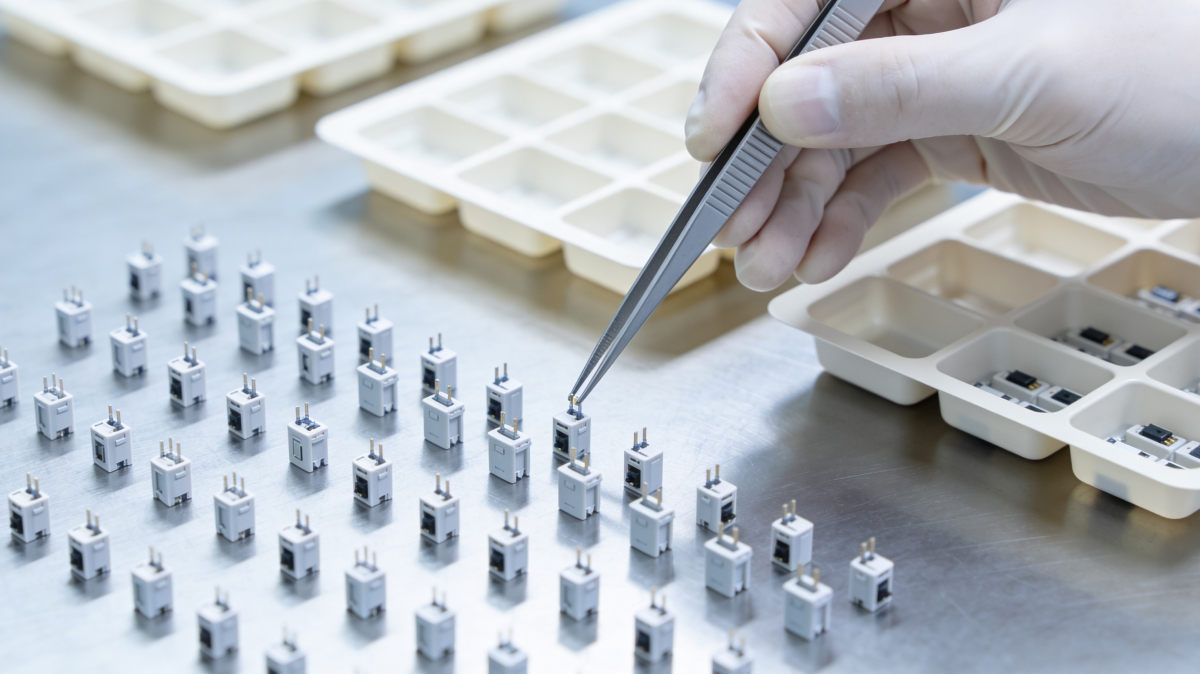
A high-performing design cannot ship if its modem, RF component or processor has no viable supply path. We identify critical BOM items early, assess alternatives against power, firmware and radio performance, and plan the revalidation that a substitution may require.
Network sovereignty is not reducible to a component’s country of origin. Hardware root of trust, secure boot, controlled access, signed updates and a software bill of materials (SBOM) can support an operator’s ability to understand and maintain a deployed device. The security case remains specific to the threat model and system architecture.

Success Stories in Telecom & Media
A telecom or media deployment is defined by the service it must sustain, the hardware constraints it faces and the measured result in its actual environment. Kickmaker can discuss relevant engineering examples when customer disclosure permits.
For media, the engineering challenge may be to move ultra-high-definition video or sensor data as uplink conditions vary. Edge encoding, local buffering and traffic priorities can support continuity, but their trade-offs in image quality, power and latency must be verified on the intended device and network.

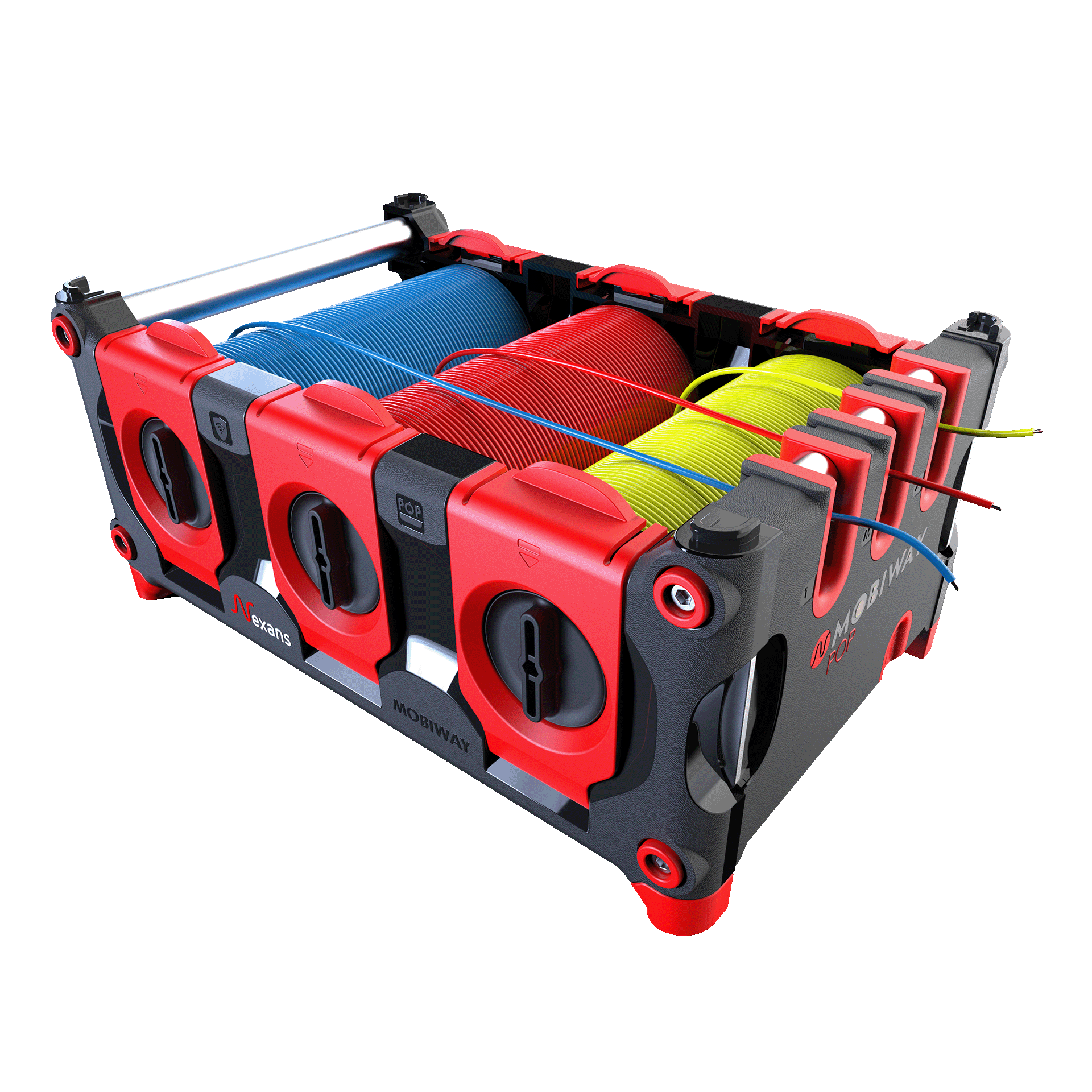
Nexans: A smart tool to optimize on-site cable management
To bring this ambition to life, Nexans chose to rely on Kickmaker to develop a comprehensive solution integrating hardware and a mobile application, from proof of concept through to mass production.
The engineering disciplines behind every Kickmaker build
Product performance depends on how its parts work together. Heat from a circuit board, for example, affects enclosure design and firmware power management. Our engineers test these interactions on prototypes to help your team choose the next design step. Explore our hardware product development expertise:







Expert Insights on Telecom Manufacturing
Can Kickmaker work on a single product building block?
Yes: a radio integration, electronics architecture, test campaign or production-transfer issue can be scoped separately. The work is linked to the system-level performance criteria and the customer’s existing team.
When should serial production be anticipated?
From the first architecture choices. Component availability, assembly, calibration and end-of-line testing are easier to shape before a successful prototype becomes a hard-to-build product.
How are connected-equipment performances validated?
We define representative usage and measure the integrated product: radiated RF behavior, useful throughput, latency, power and recovery under the expected network conditions. The results guide redesign and release decisions; no single security or connectivity feature proves the whole system.
Talk to us and see what’s possible
Tell us about your product, its current stage, and the challenge ahead. We’ll discuss your priorities and identify where our team can help you take the next step.
"*" indicates required fields