Electric Mobility Engineering and Industrialization
Imagine an electric fleet whose batteries change in minutes, vehicles report their health before service is interrupted and charging fits naturally into the city. Making that future real means engineering the vehicle, battery, station and operating model as one system.
Kickmaker brings electronics, embedded software, mechanical design, connectivity and industrialization together for electric mobility. We help customers turn a new mobility experience into a product that can be built, charged, maintained and deployed. The engineering question is not simply how fast a prototype moves; it is how reliably the whole service can scale.
Accelerating Time to Market for Electric Mobility
Time to market improves when the critical risks are identified before tooling and supplier commitments. We examine battery safety, thermal behavior, charging interfaces, vibration, ingress protection and user handling against the intended use. The resulting evidence guides the next build instead of allowing an attractive demonstrator to hide a system problem.
That discipline also protects product economics. Early choices about cells, connectors, repair access and test fixtures influence the bill of materials and the cost of operating a fleet. We make those trade-offs explicit with the customer before they become locked into the industrial design.

From Proof of Concept to New Product Introduction
A proof of concept can test an energy architecture, a locking mechanism or a connected service. The integrated prototype then needs to show how these functions behave together. We set acceptance criteria for performance, assembly, diagnostics and field service at each step.
New Product Introduction links the design to parts, processes and tests. We review the battery management system, harness routing, tolerances and design-for-assembly choices with manufacturing partners. End-of-line tests and change control prepare a repeatable build rather than a succession of hand-finished units.
Micromobility and Charging Infrastructure
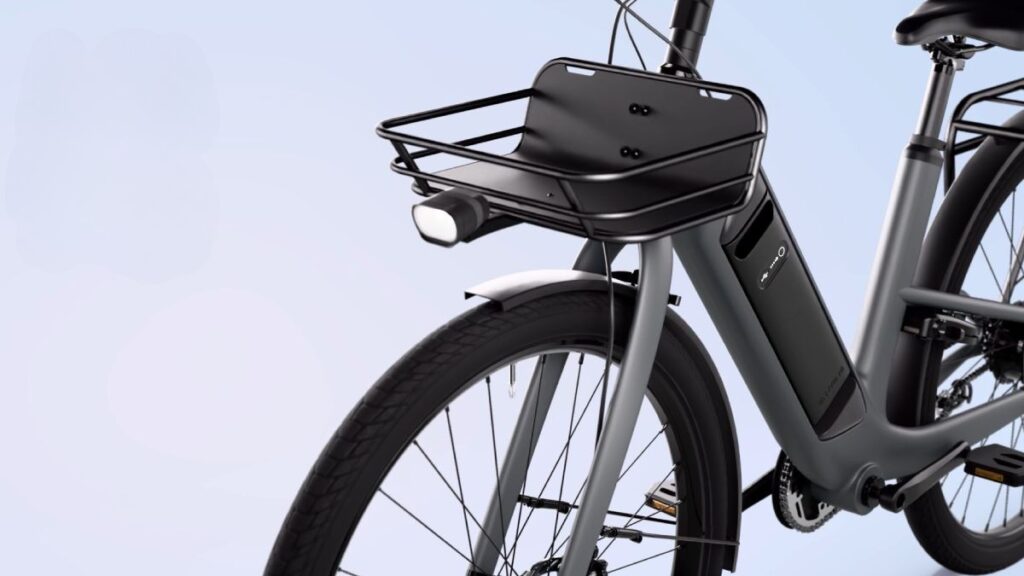
E-bikes, light electric vehicles and charging stations operate in public spaces where connectivity and serviceability shape the experience. IoT telemetry can support fleet visibility. Navigation and Smart City interfaces can connect a vehicle to the rider and its urban context. These functions must remain useful when coverage or positioning is imperfect.
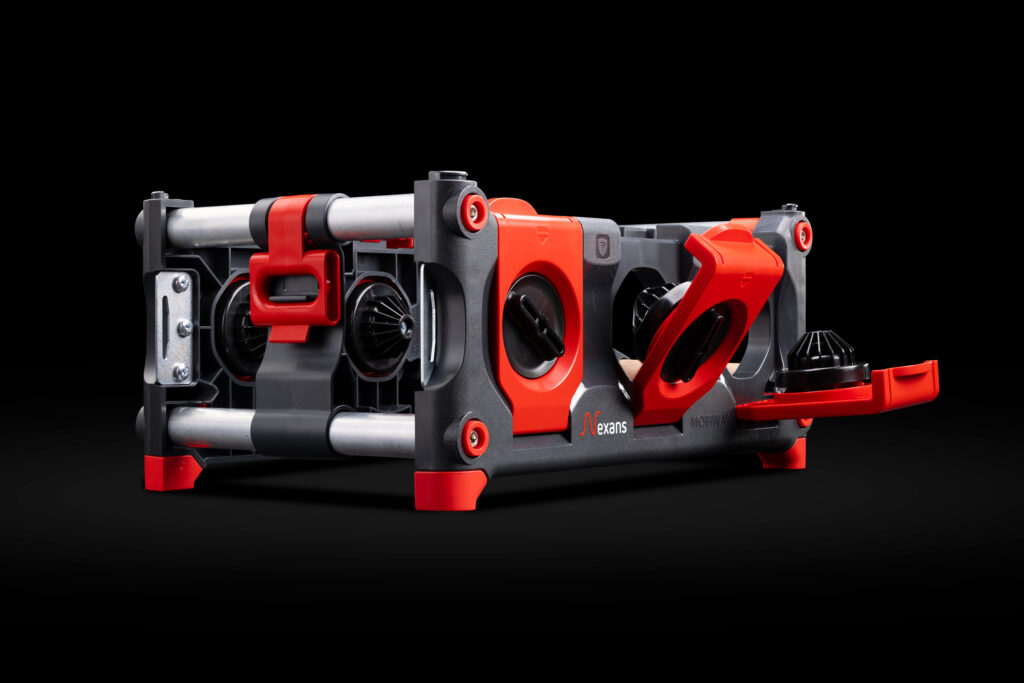
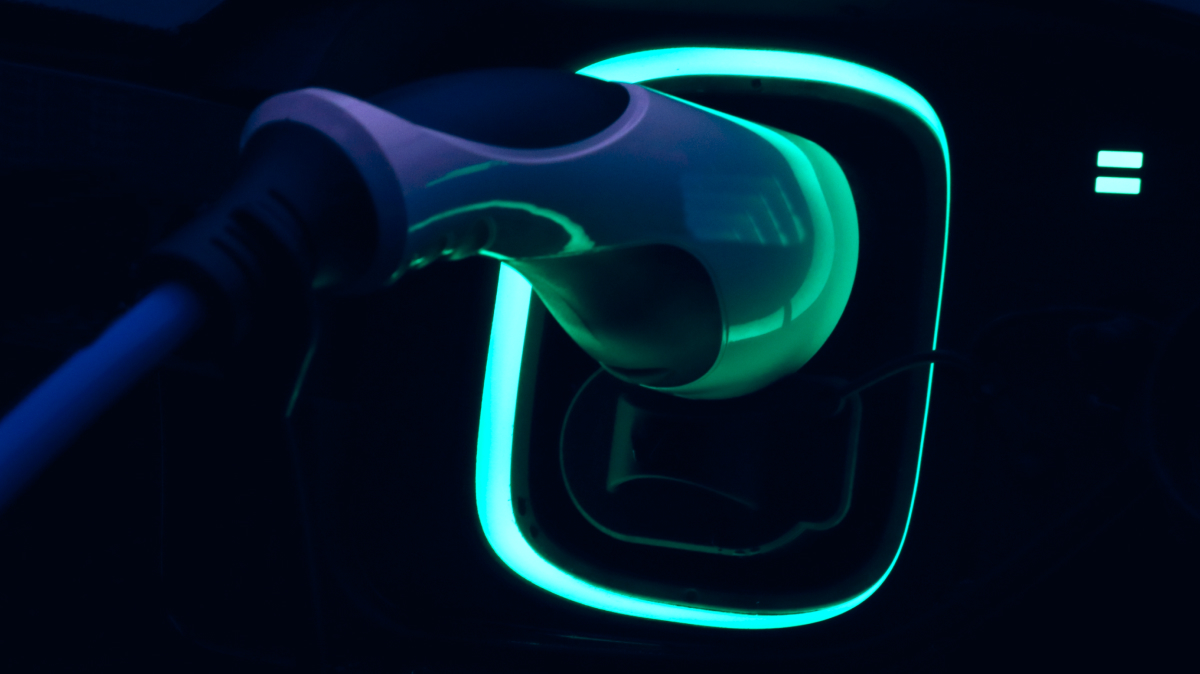
Battery as a Service depends on a secure, robust exchange between battery, vehicle, station and operator. Charge protocols such as OCPP or ISO 15118 are considered only where the equipment class and ecosystem require them. The physical interface—contacts, locking, sealing and thermal control—deserves as much attention as the software.
For a shared vehicle, the mobile experience also extends beyond the ride. Location, available range, charging status and maintenance events must be translated into simple user and operator actions. We keep the connectivity architecture tied to that experience rather than collecting data without a decision it can improve.



Kickmaker’s Integrated Industrialization Approach
From concept to production transfer, we coordinate engineering evidence, sourcing and manufacturing tests around the customer’s deployment plan. Design studios, electronics manufacturing services and industrial partners can contribute within clearly defined interfaces. A France- or Europe-based supply option is assessed against capacity, traceability, economics and the customer’s requirements—not assumed as a label.
Tell us which mobility system you want to bring into the world. We will help turn its most ambitious feature into a testable, manufacturable product decision.

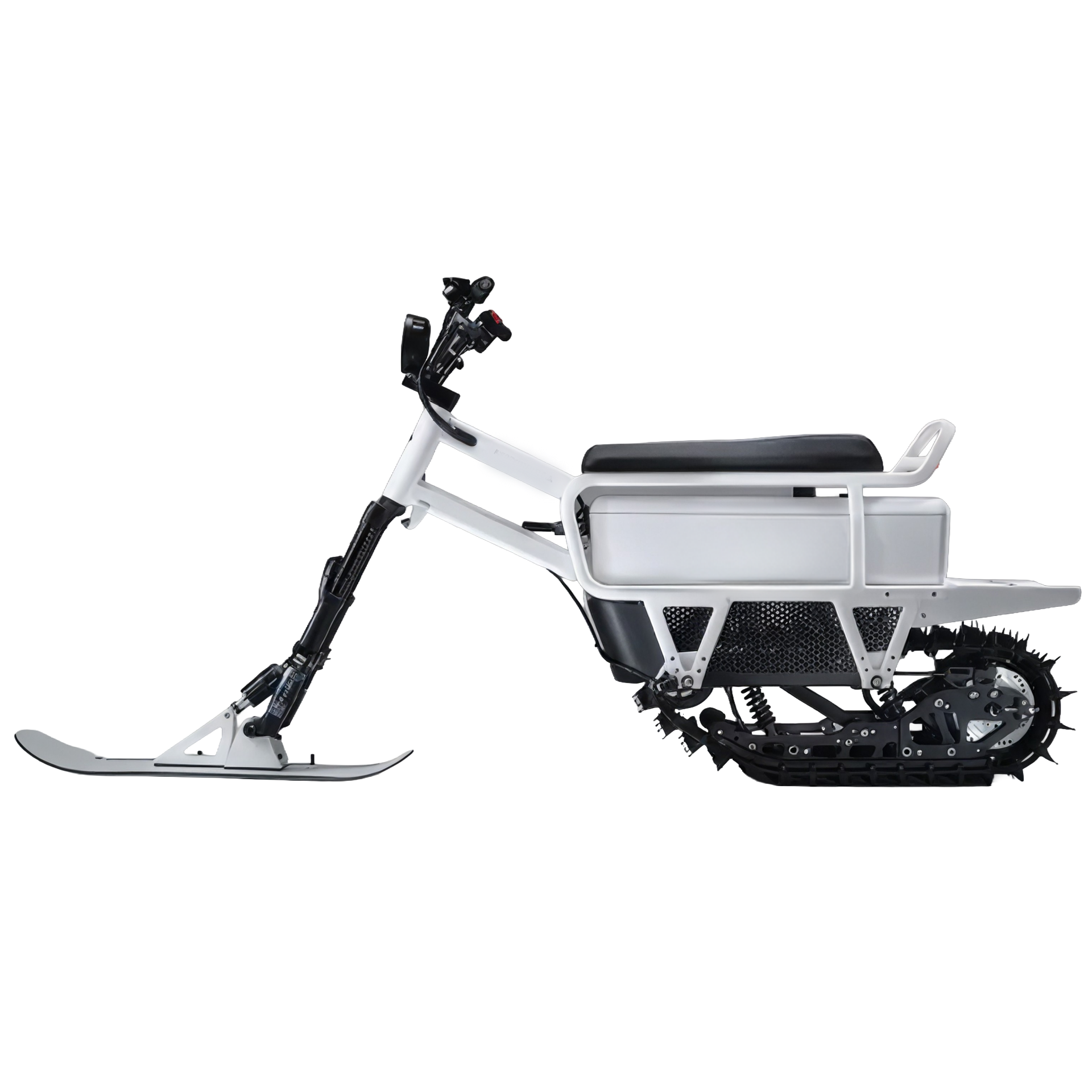
Certification and sourcing for an electric snowbike
MoonBikes developed the first electric snowbike, designed to easily navigate alpine terrain while remaining eco-friendly and compact. To support their go-to-market strategy, MoonBikes entrusted Kickmaker with managing regulatory certifications and sourcing critical components.
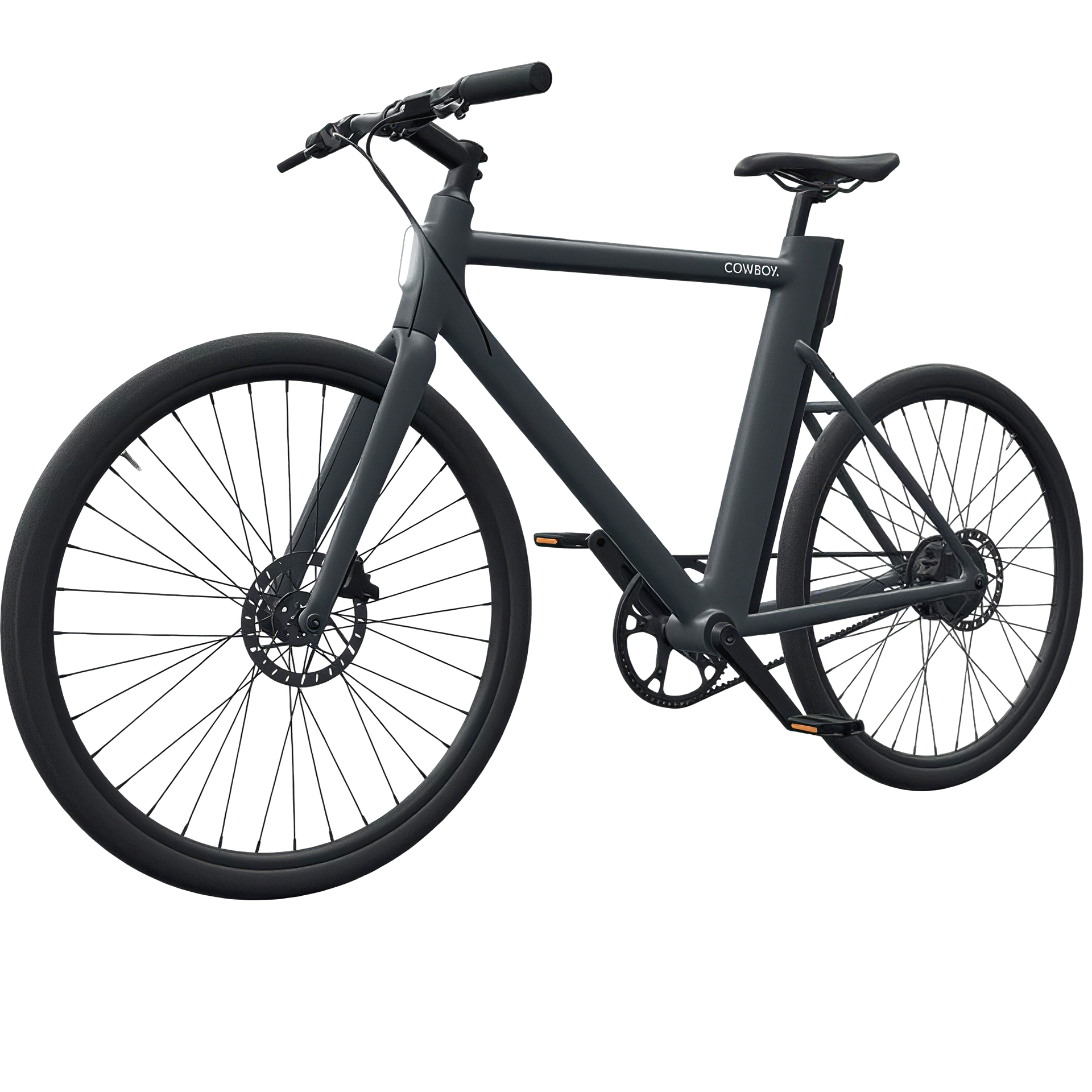
Cowboy bike: designing a custom motor controller
Cowboy, an innovative electric bike brand, wanted to take back control of their motor controller design to enhance technical integration and improve supply chain efficiency. To achieve this, they partnered with Kickmaker to develop a fully customized motor controller in collaboration with strategic partners.
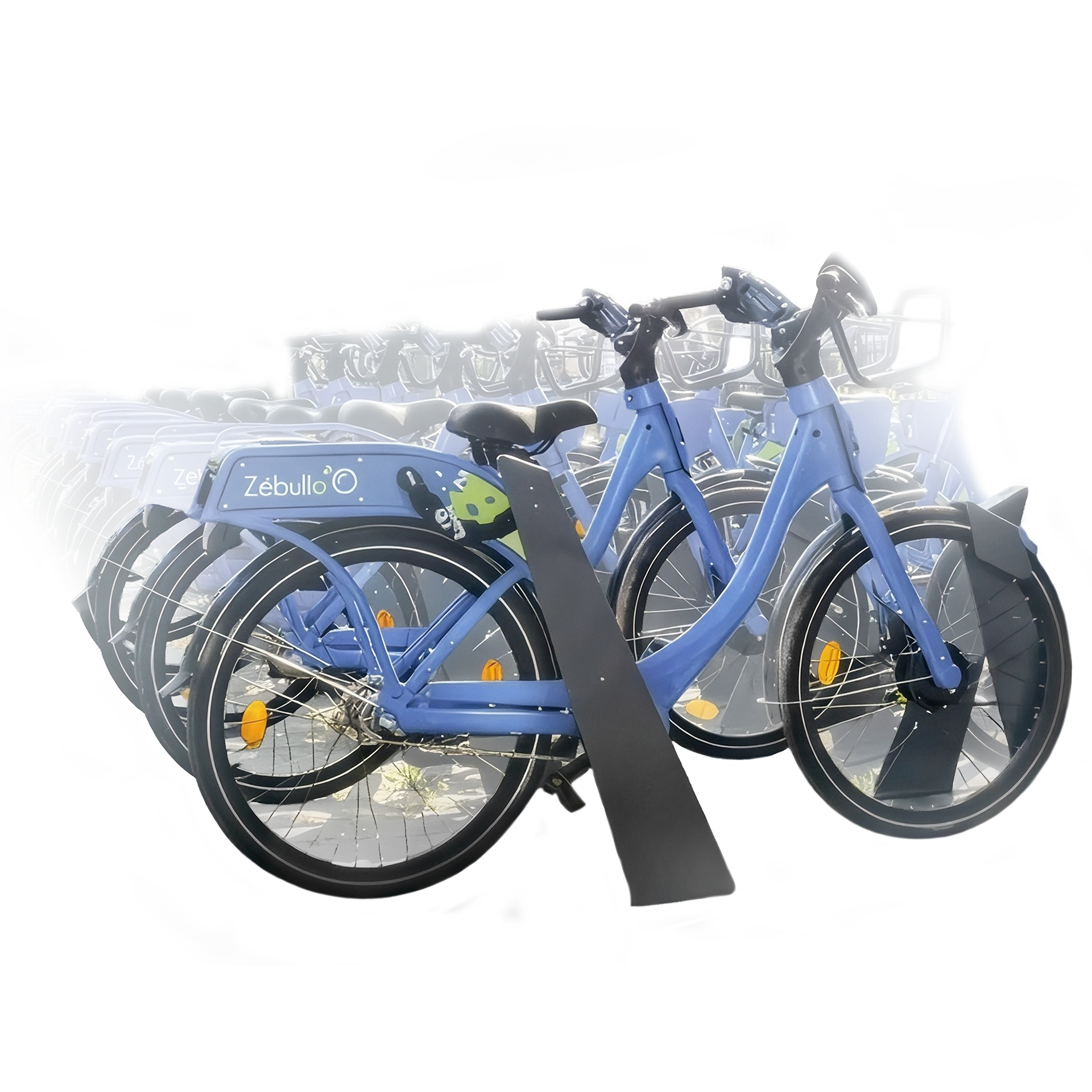
Ecovelo: development of a locking system for shared bikes
Ecovelo is rethinking urban mobility with a focus on sustainable, shared cycling. To support this vision, Kickmaker partnered with Ecovelo to develop an innovative locking system for bike sharing.
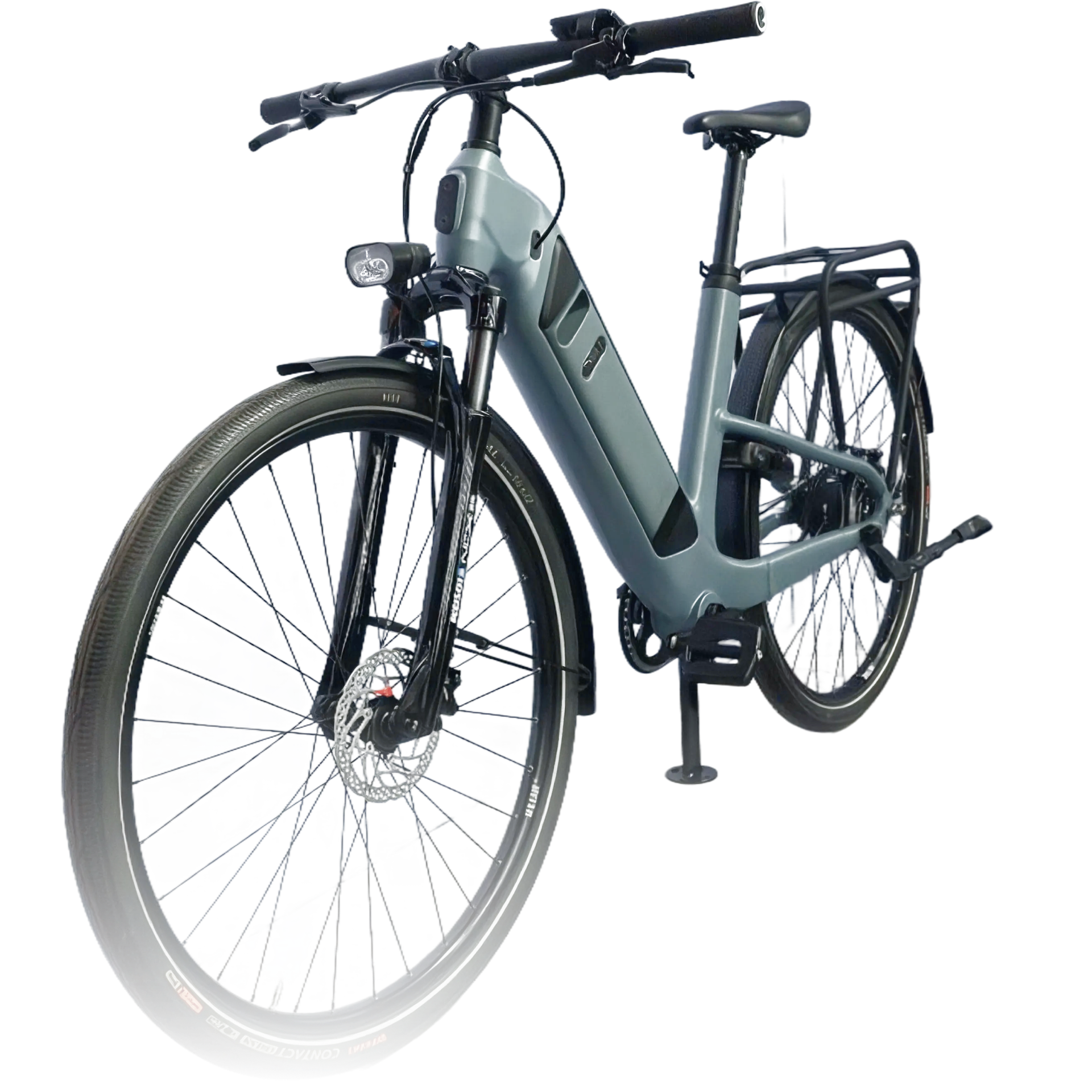
ENYRING: support in the development of a fleet of eBikes
ENYRING, a subsidiary of Yamaha Group, is developing an innovative mobility solution. Based on a Battery-as-a-Service approach, it combines eBikes, battery management infrastructure, battery swap stations, and a mobile app into an integrated ecosystem. The goal is to make urban cycling more practical through smart product design and modular infrastructure.
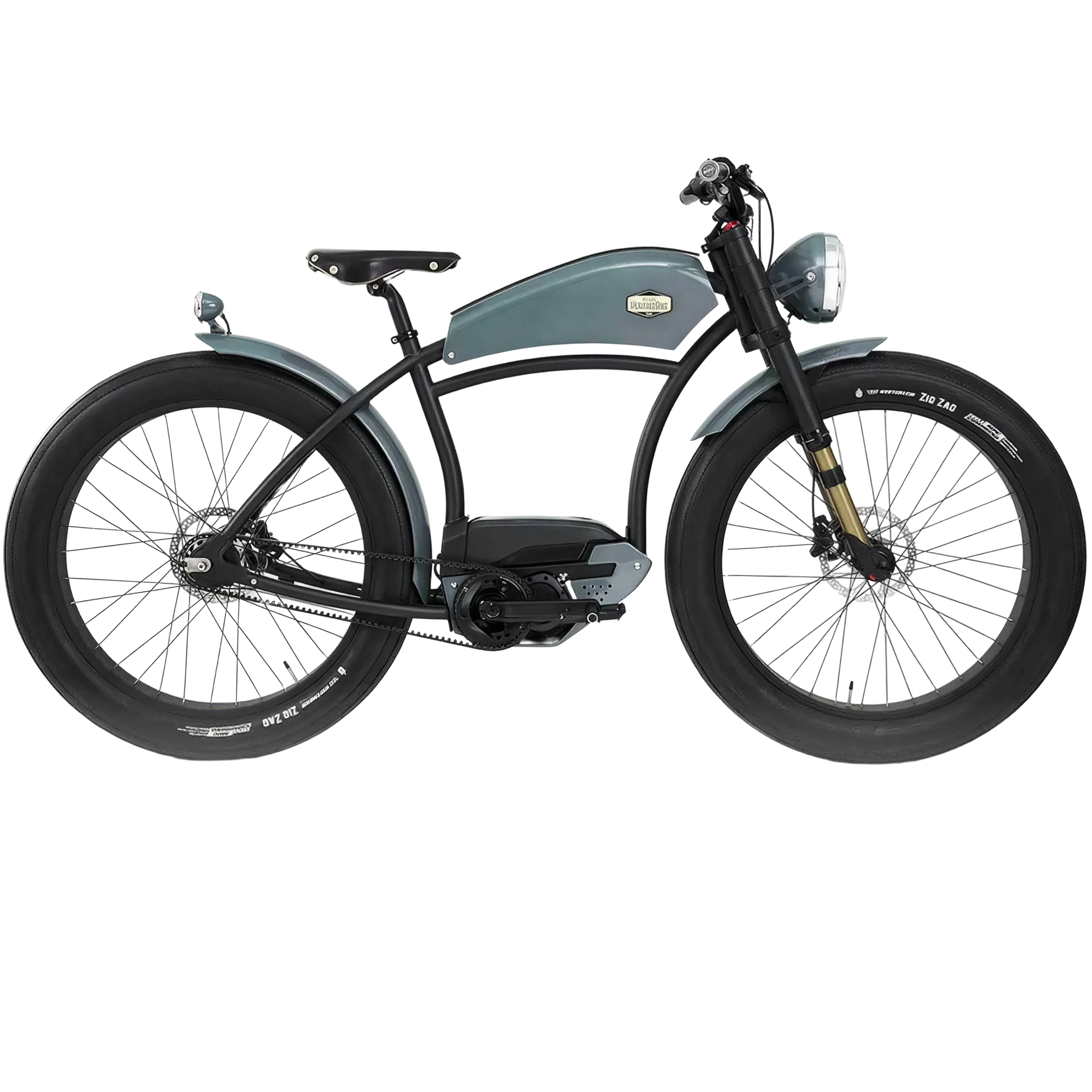
Heritage bike: support in the production
Atelier Heritage Bike is redefining electric mobility through craftsmanship and elegance. To support their vision of French luxury, Kickmaker partnered with the brand to guide the industrialization and production of their high-end bikes ensuring quality, precision, and cost control.
The engineering disciplines behind every Kickmaker build
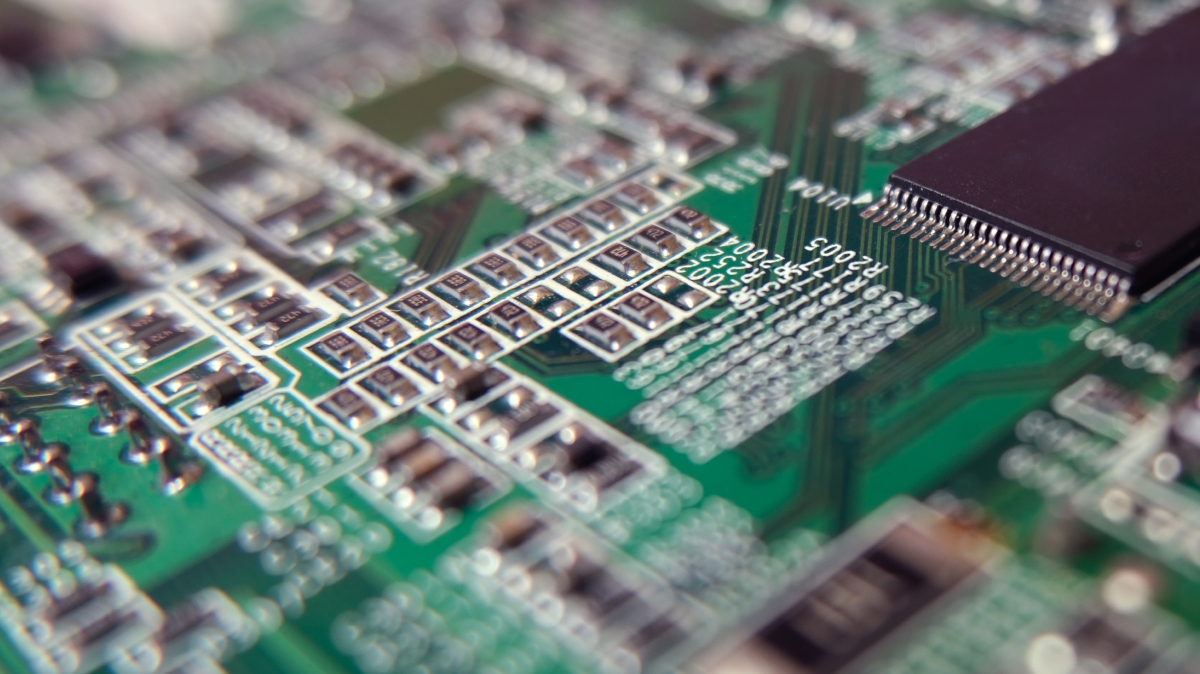
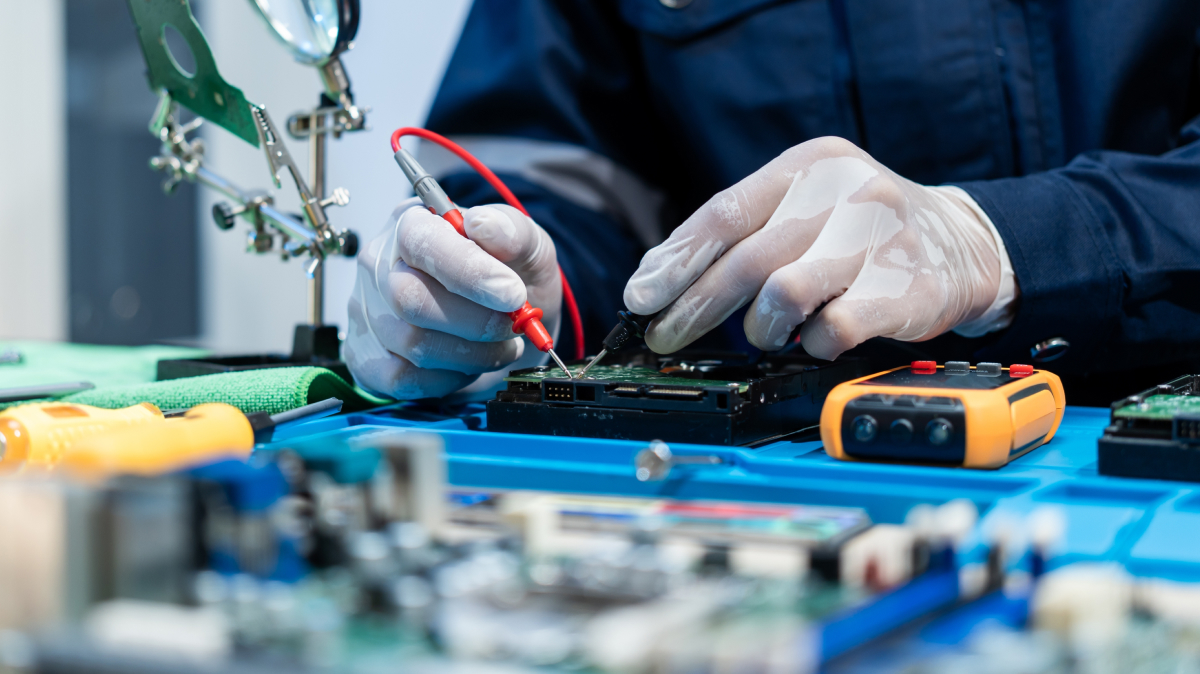
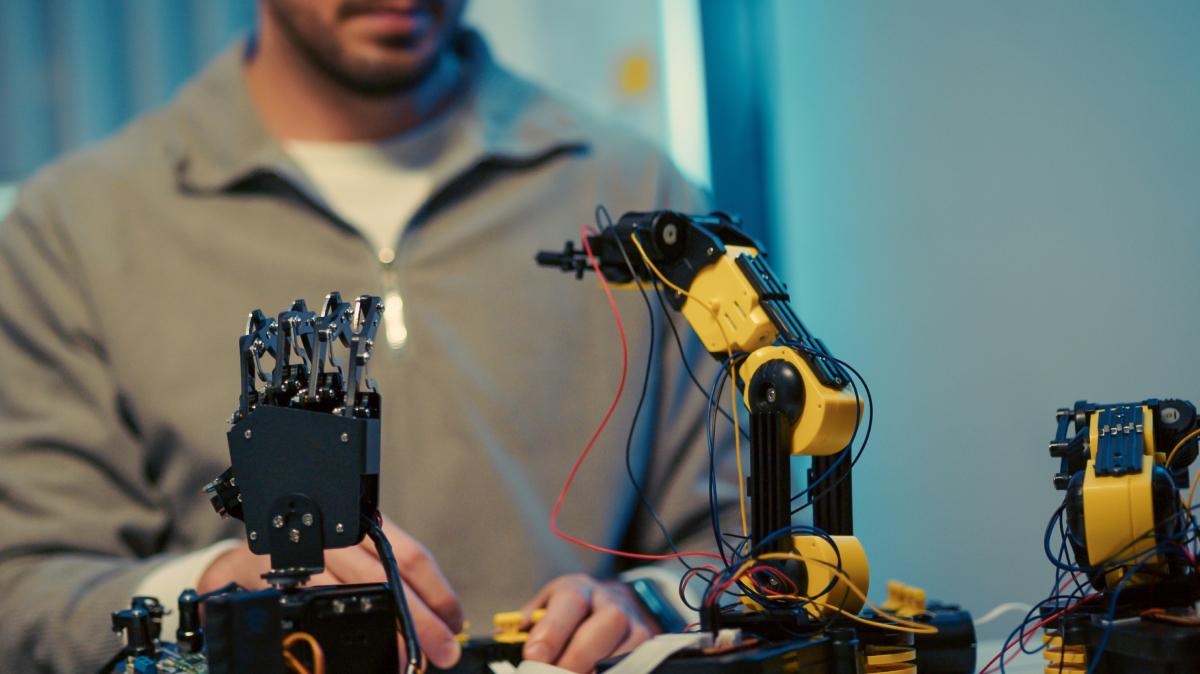
Product performance depends on how its parts work together. Heat from a circuit board, for example, affects enclosure design and firmware power management. Our engineers test these interactions on prototypes to help your team choose the next design step. Explore our hardware product development expertise:




Talk to us and see what’s possible
Tell us about your product, its current stage, and the challenge ahead. We’ll discuss your priorities and identify where our team can help you take the next step.
"*" indicates required fields