Industrial product research services that bring your vision to life.
Validate your product idea before investing. Our research and feasibility engineering reduces risk, cost and time-to-market from day one.
Our Research & Feasibility Framework
Together, we turn an early concept into a strategy your hardware R&D engineering team, and ours, can actually build against, delivering industrial product research services you can rely on.
Research

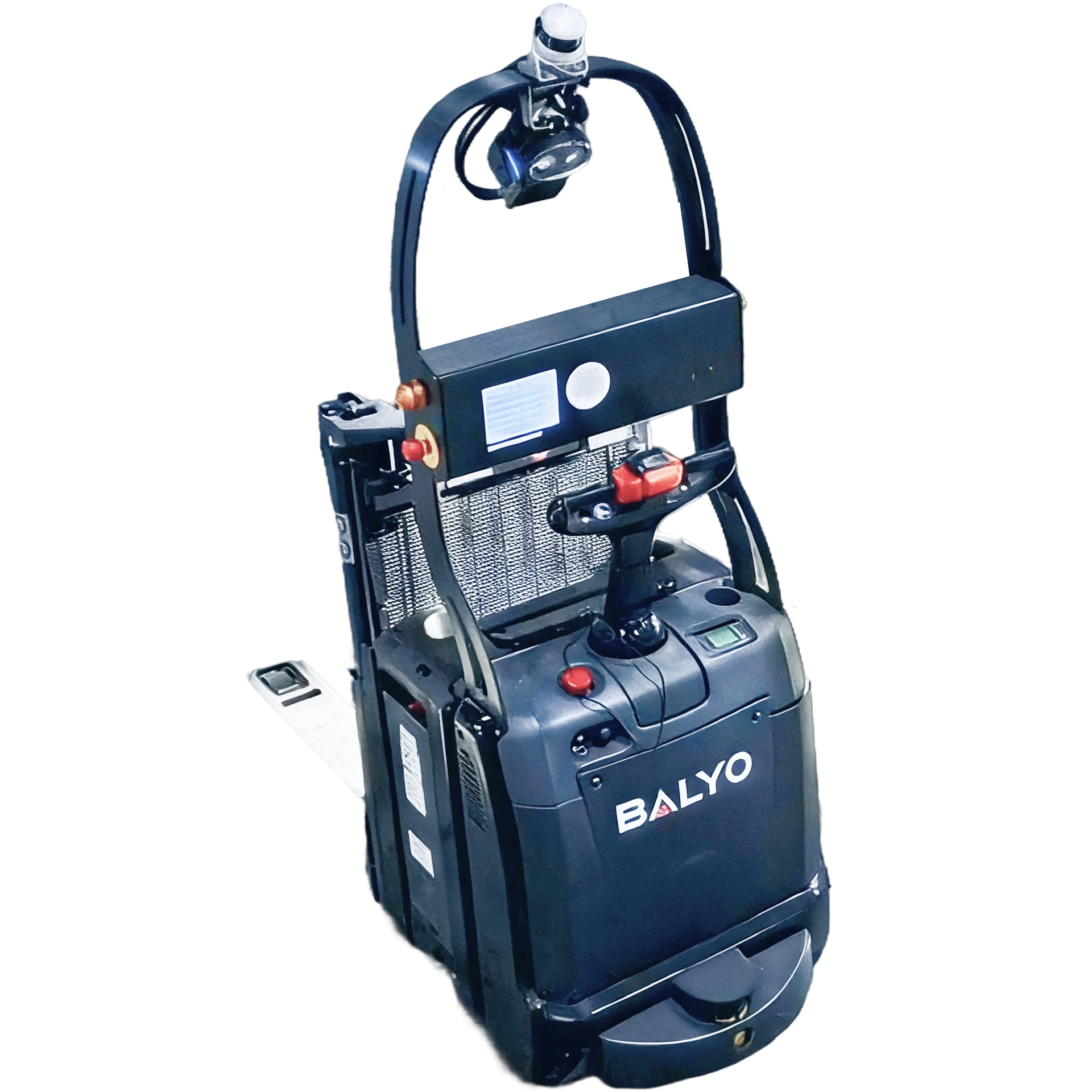
Balyo Autonomous AGV Charging Station
Balyo needed automatic charging for automated guided vehicles (AGVs) in warehouses. Kickmaker developed the station from proof of concept through design and industrial ramp-up. Our team also prepared the test plan at the manufacturing site. The project led to the deployment of 500 charging stations.
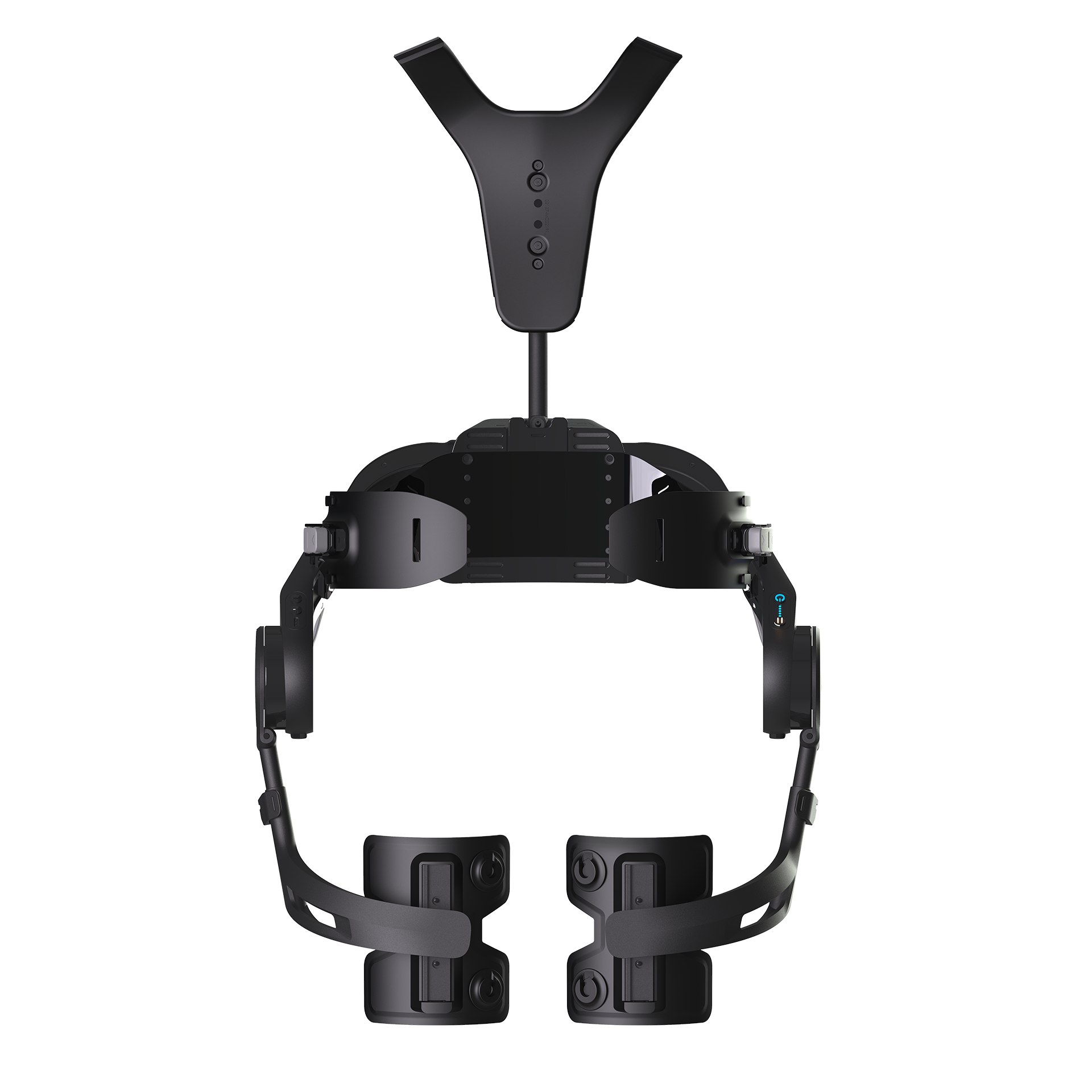
Hands-free exoskeleton walking system
Hands-free exoskeleton walking system industrialization for Wandercraft. Mechanical engineering and industrial support for Atalante X.

Certification and sourcing for an electric snowbike
Certification and sourcing expertise for Moonbikes, facilitating the export of their electric snowmobile.
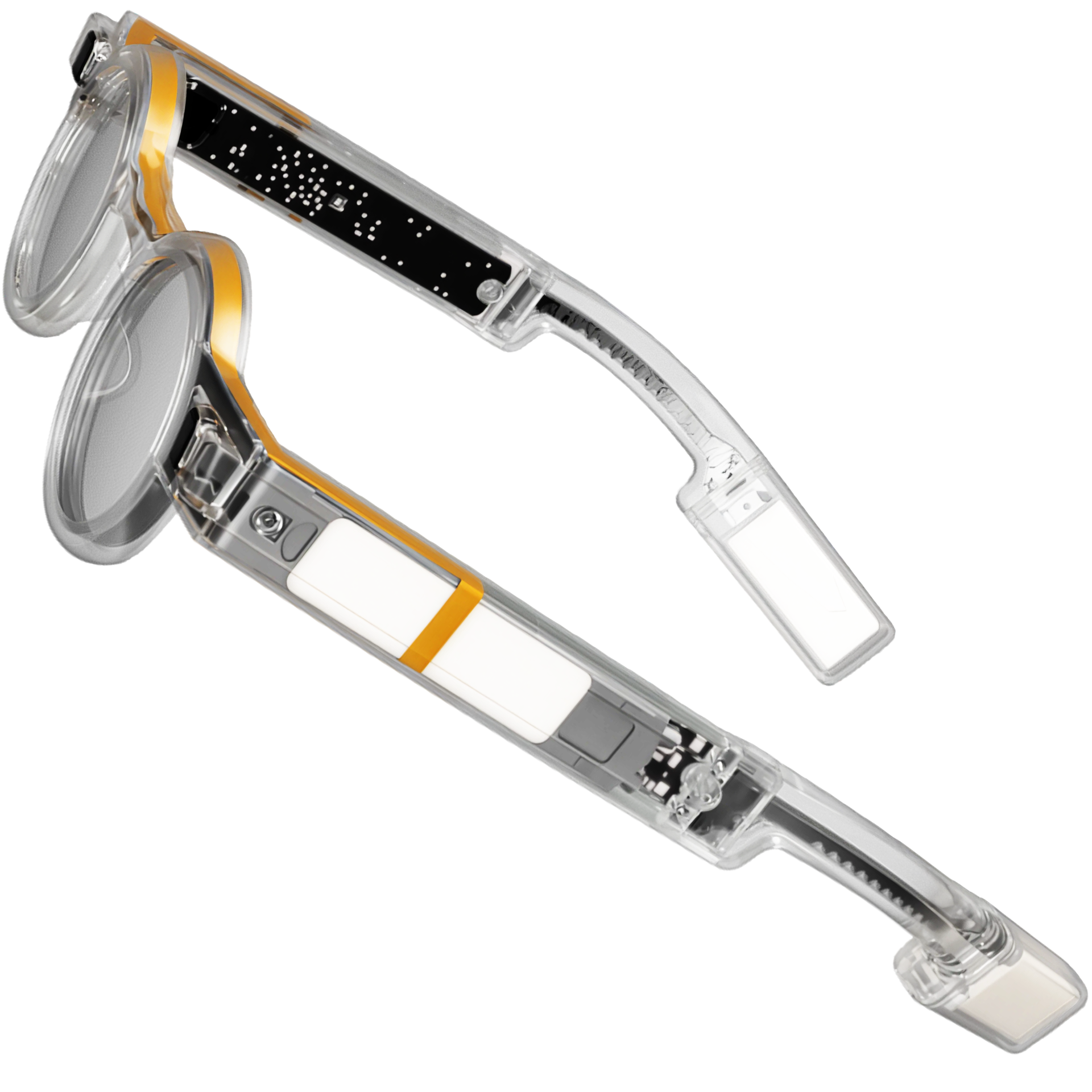
Revolutionizing vision with autofocus lenses
From POC to production-ready: how Kickmaker engineered Laclarée’s autofocus glasses for presbyopia.
See what’s happening in high-tech engineering



Talk to us and see what’s possible
Tell us about your product, its current stage, and the challenge ahead. We’ll discuss your priorities and identify where our team can help you take the next step.
"*" indicates required fields
Industrial product research services FAQs
How do you mitigate technical debt during the initial feasibility benchmark phase?
As part of our industrial product research services, we benchmark your existing stack and latest technologies and components against your product’s real-world constraints, not just their spec sheets, so architectural shortcuts get caught before they’re built into the design. Any assumption we can’t validate at this stage gets flagged and tested early, rather than carried forward into detailed engineering, where it’s far more expensive to unwind.
At what threshold do you recommend transitioning from Proof of Concept (POC) to a functional Engineering Prototype to optimize time-to-market?
We recommend making the move once your core technical and marketing assumptions (the ones most likely to sink the product) have been validated. Pushing a POC further than that usually costs more time than it saves; moving to an Engineering Prototype too early risks re-validating the same assumptions twice.
How is intellectual property ownership handled regarding preliminary industrial scheme definitions developed during the research stage?
Your IP has always been yours, and that includes preliminary industrial scheme definitions developed during Stage 1. Every scheme, blueprint, and document we produce, even at the earliest research stage, is handed over to you as part of the engagement, not retained as our proprietary process.
How do you integrate DFM (Design for Manufacturing) constraints into the early-stage product requirement document (PRD) draft?
We build manufacturability constraints into the PRD from the start, not as a later gate. Tooling, process, and sourcing considerations get weighed alongside functional requirements, so the specification your engineering team builds against already reflects what can actually be produced at scale instead of what works on paper.
What metrics do you prioritize when evaluating technology readiness levels (TRL) for consumer hardware applications?
We prioritize technology readiness level (TRL) metrics such as functional performance, reliability, safety, and user validation.
For consumer hardware, we also assess manufacturability, production yield, scalability, cost, supply-chain maturity, and regulatory compliance.
This ensures the product is ready for mass production and successful market launch.