Electronics Engineering & Hardware Development Services
Turn product requirements into an electronics architecture that can be quickly prototyped, reviewed for validation and optimization, and prepared for industrialization. Kickmaker connects hardware design with embedded software, mechanics, validation, and manufacturing constraints, helping your team make informed decisions from the first schematic to a production-intent build.
Core Electronics Engineering Capabilities
Different products need different constraints prioritized: precision, power, noise, size, space, cost, or long-term availability. Our electronics engineers translate them into architecture budgets and review evidence, doing the best trade off focusing on the product definition more than a fixed technology.
The work stays focused on product decisions rather than a fixed technology stack.

Complex schematic Design & PCB Layout
A schematic translates functional requirements into conceptual circuits, power domains, interfaces, and named constraints. Processing, memory, sensing, and communications must support the same operating states. Our engineers document design intent and review dependencies with firmware and mechanics before layout begins. FPGA design uses field-programmable gate arrays when parallel processing or timing requirements call for programmable hardware.
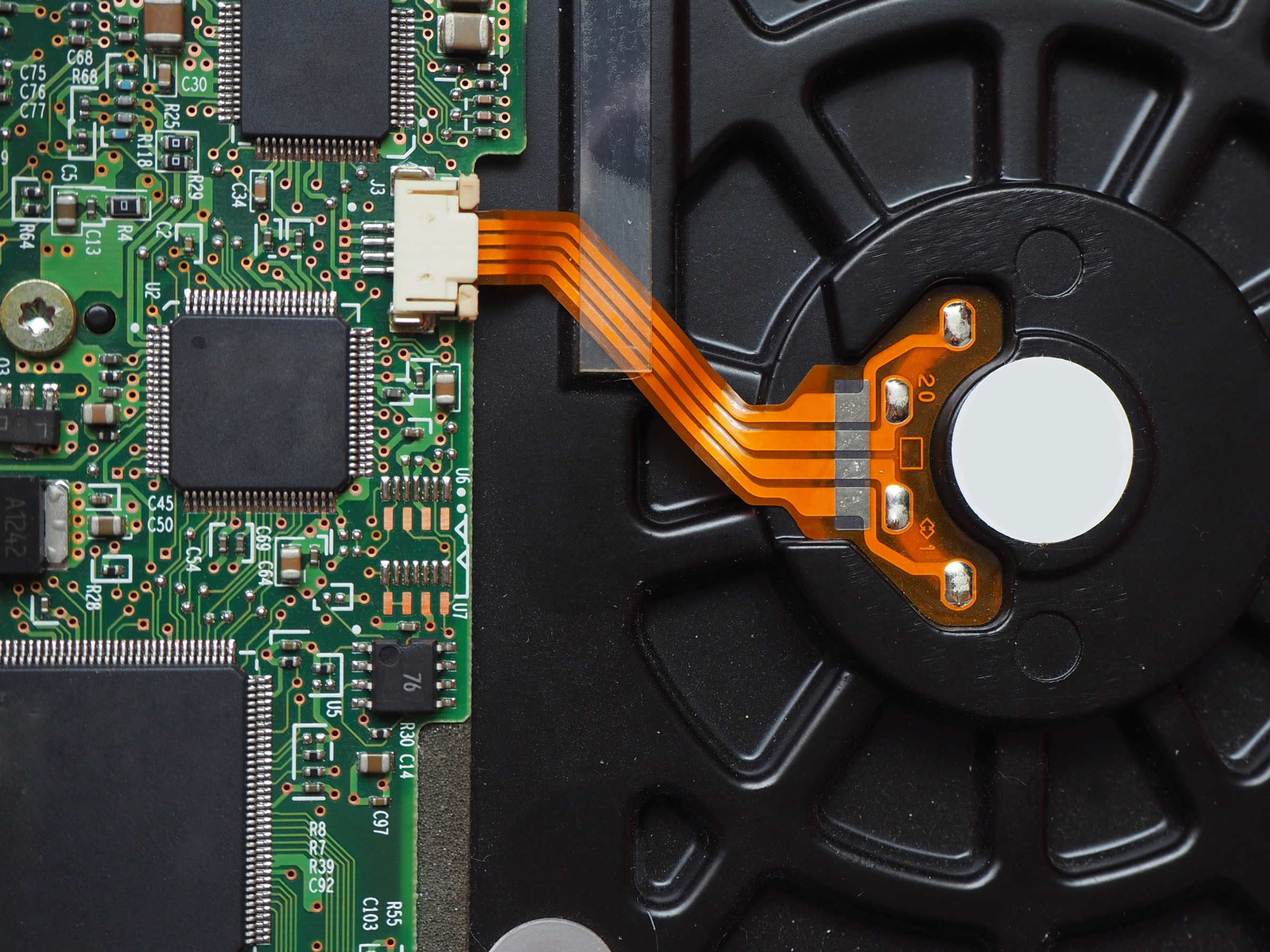
Printed circuit board (PCB) layout determines real-world electrical performance. Component placement, multilayer stack-up, controlled-impedance routing, return paths, and the power distribution network affect signal integrity, thermal margins, and electromagnetic behavior. Kickmaker converts these relationships into layout rules. We review traces, vias, planes, connectors, and test access against use conditions and assembly needs. Each revision retains explicit engineering choices and a clearer bring-up plan.
Embedded Firmware & MCU Programming
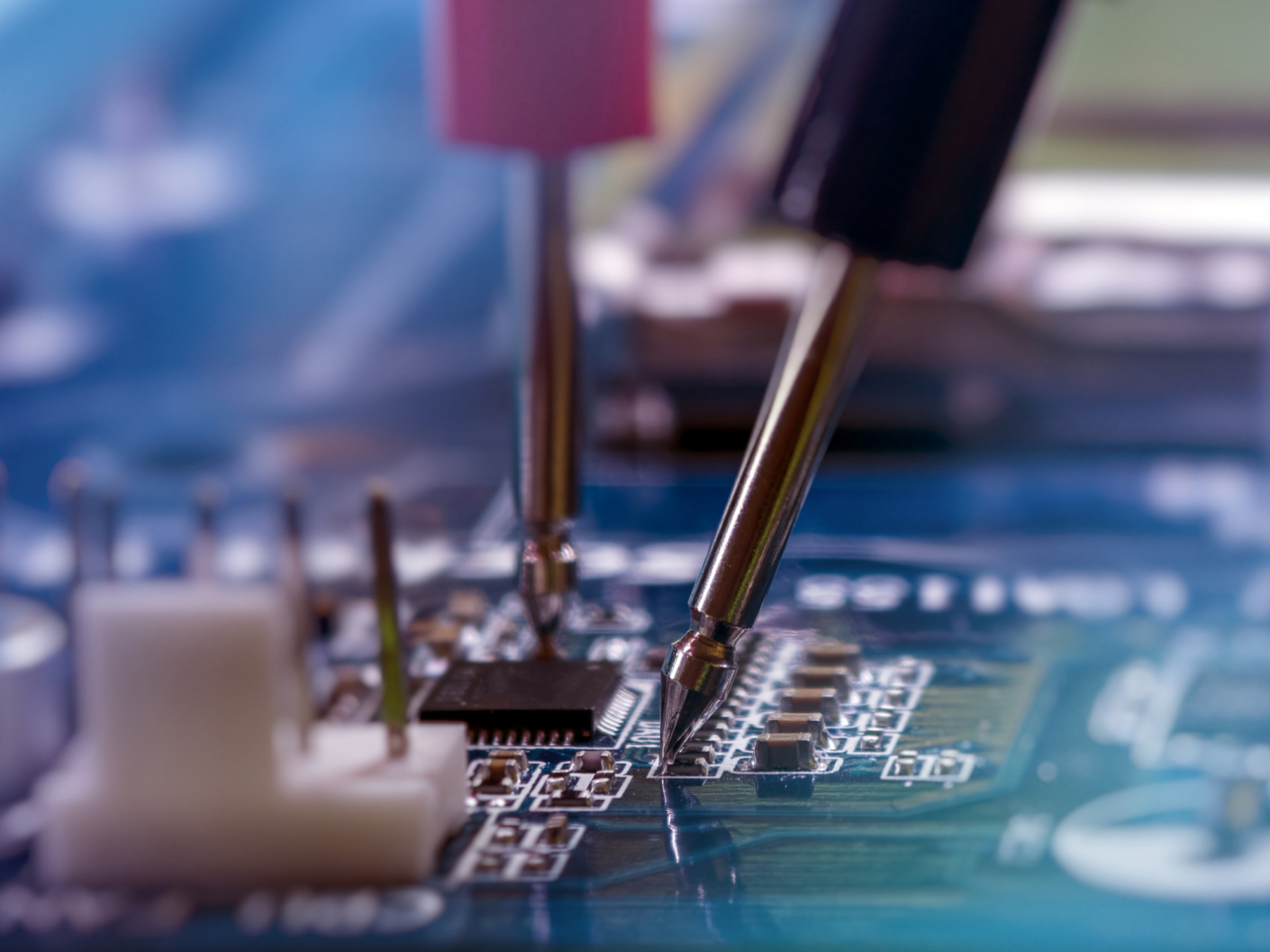
Hardware and firmware are co-designed through an interface contract. Microcontrollers (MCU) and their pin assignments, buses, memory, boot behavior, debug access, and power states influence software operation. Our electronics and firmware teams define these constraints early, then bring up the target board together. During bring-up, rail, clock, bus, current, and programming checks help isolate faults. This reduces integration gaps and accelerates fault isolation.
Power Electronics & Battery Management Systems (BMS)
Power electronics convert and distribute energy. The battery stores it, while the Battery Management System (BMS) monitors sensing, protection, cell behavior, and thermal limits. Our engineers size power paths and control interfaces for load and environment. Measurements guide component ratings and cooling, balancing performance, battery life, cost, and risk.



Meet the engineers behind the expertise
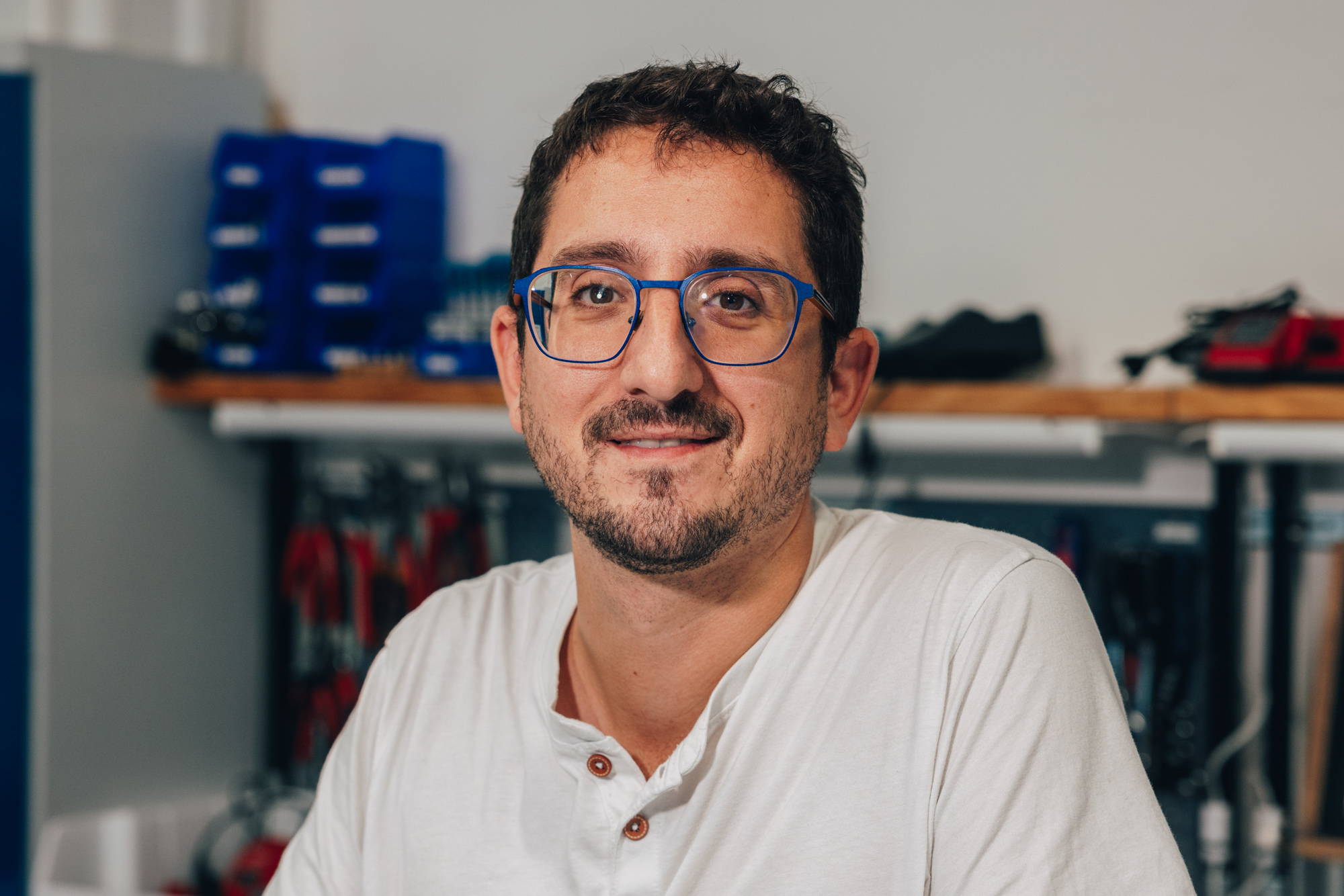
Bringing different disciplines together is critical to product development. Electrical, mechanical, and software engineers need to work hand in hand. What sets Kickmaker apart is our engineers’ ability to understand the constraints of other disciplines beyond their own area of expertise.

Our network of specialized suppliers, in-house prototyping equipment, and engineering expertise allow us to efficiently turn our clients’ ambitions into working prototypes. From small production runs to high-volume manufacturing, we adapt production processes and anticipate cost and feasibility constraints to ensure an efficient transition to industrial production without endless iterations.
Interdisciplinary Hardware Integration
Electronics decisions affect firmware, RF performance, mechanics, production, and test. Kickmaker coordinates these interfaces within one product architecture. Versioned decisions expose change impact and reduce handoff ambiguity.
-
Seamless IoT & Connectivity Integration
Connected-product hardware links radio, antenna, processing, memory, power, and security resources. Enclosure geometry and grounding affect RF performance; transmission peaks shape battery and thermal margins. Our engineers review these interfaces and reserve provisioning or update paths. Deeper IoT expertise covers protocols, cloud services, and fleet operations.
-
Mechanical & Mechatronics Co-Design
Board geometry and packaging share critical interfaces. Mounting, connectors, harnesses, tolerances, heat paths, sealing, and vibration affect electrical behavior and assembly access. Our electronics and mechatronics engineers coordinate the board outline, connector orientation, sensor and actuator interfaces, and service needs. This limits late conflicts and clarifies the manufacturing baseline.

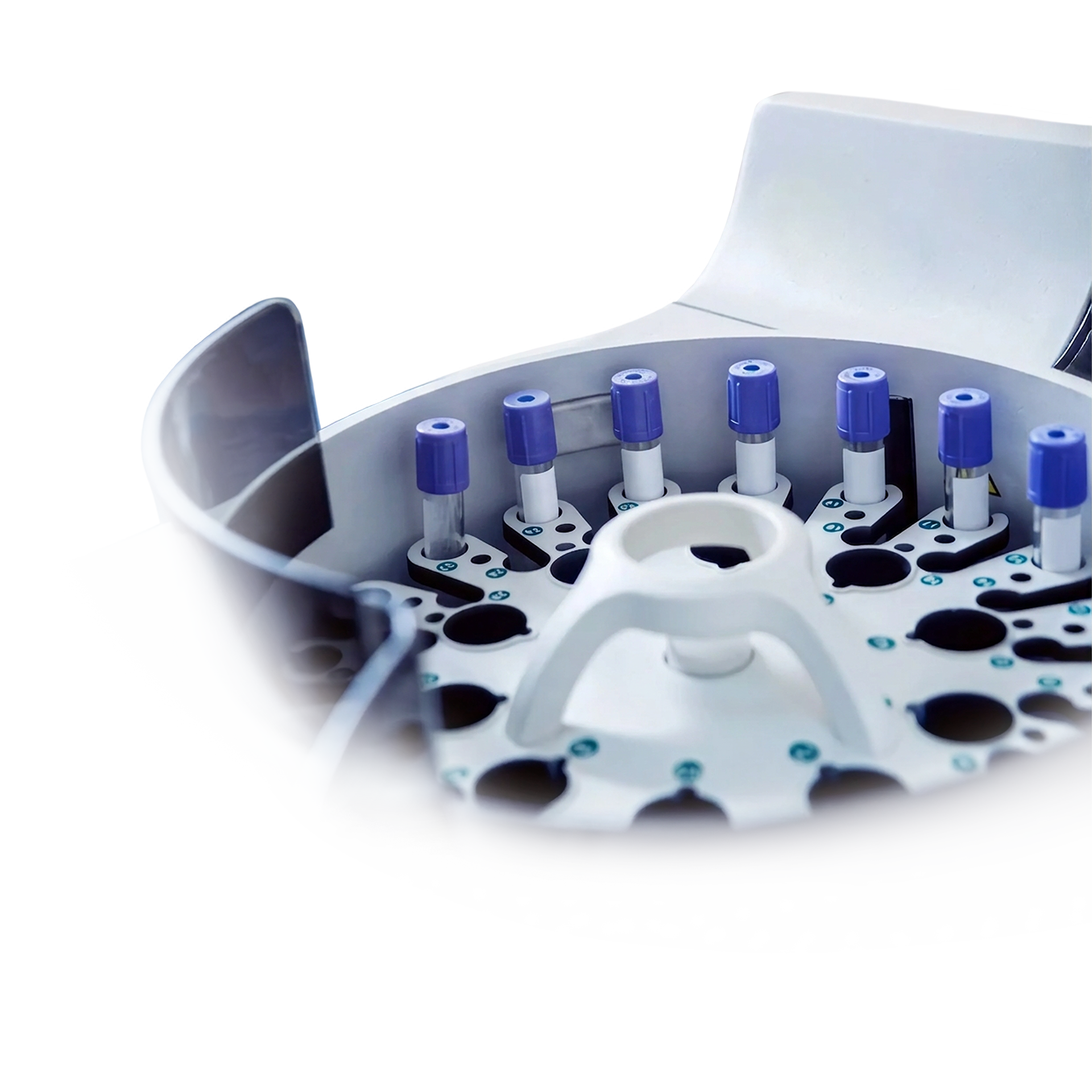
Blood lab diagnostics machine
Our client was developing an innovative medical diagnostics machine for blood sample analysis. To ensure the project’s success, they entrusted us with the complete development of a cost-effective hemostasis IVD (In Vitro Diagnostic) system.
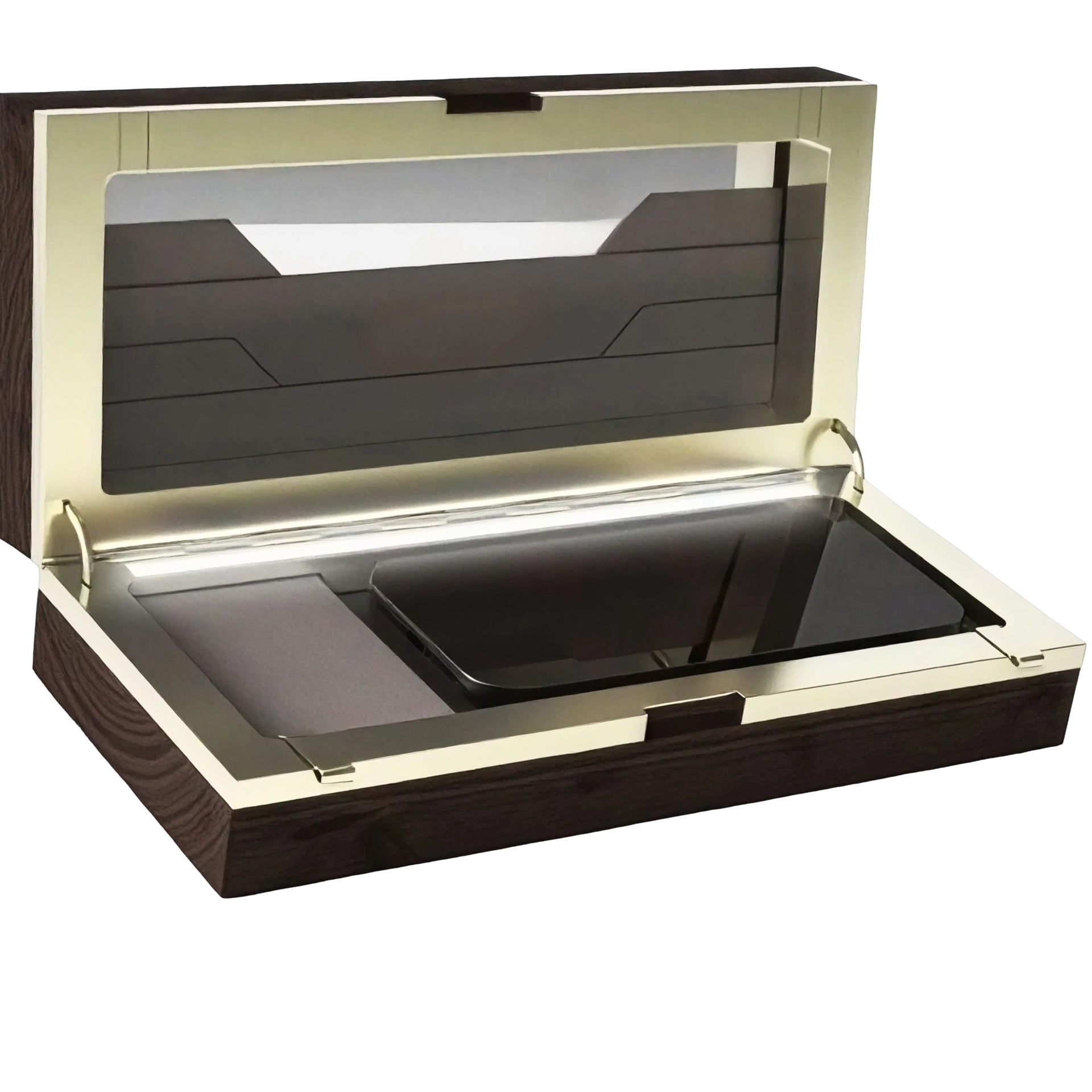
Clutch: design of a connected wooden bag
This project was carried out for a client looking to develop a luxury wooden handbag integrating advanced electronic features. Kickmaker’s teams supported the design of this unique product, combining craftsmanship and technology.
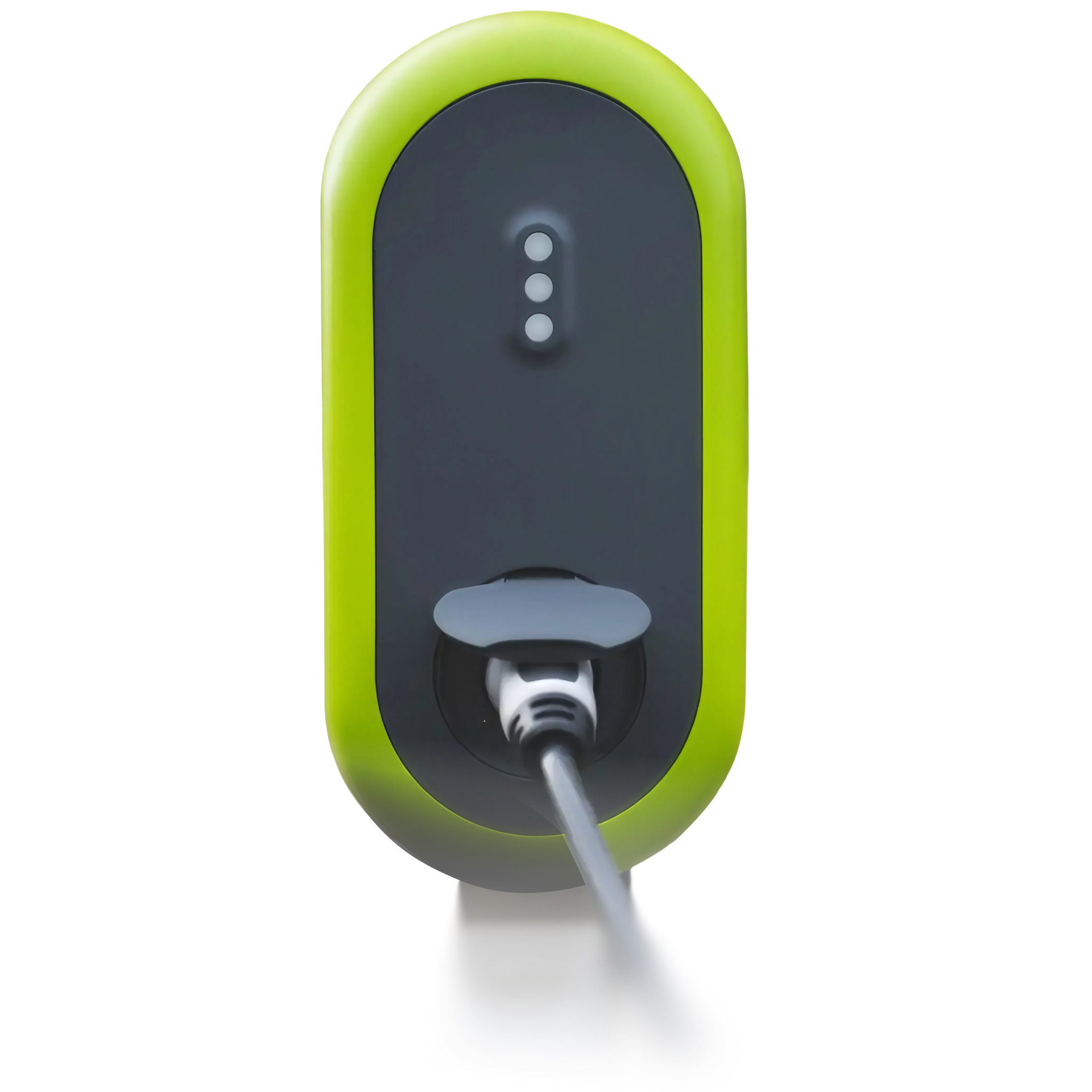
Full industrialization of an EV charger
Valeo specializes in cutting-edge solutions for intelligent mobility, autonomous vehicles, and reducing CO2 emissions. We collaborated with Valeo to design and industrialize an electric vehicle charging station, focusing on creating an affordable solution for mass production.
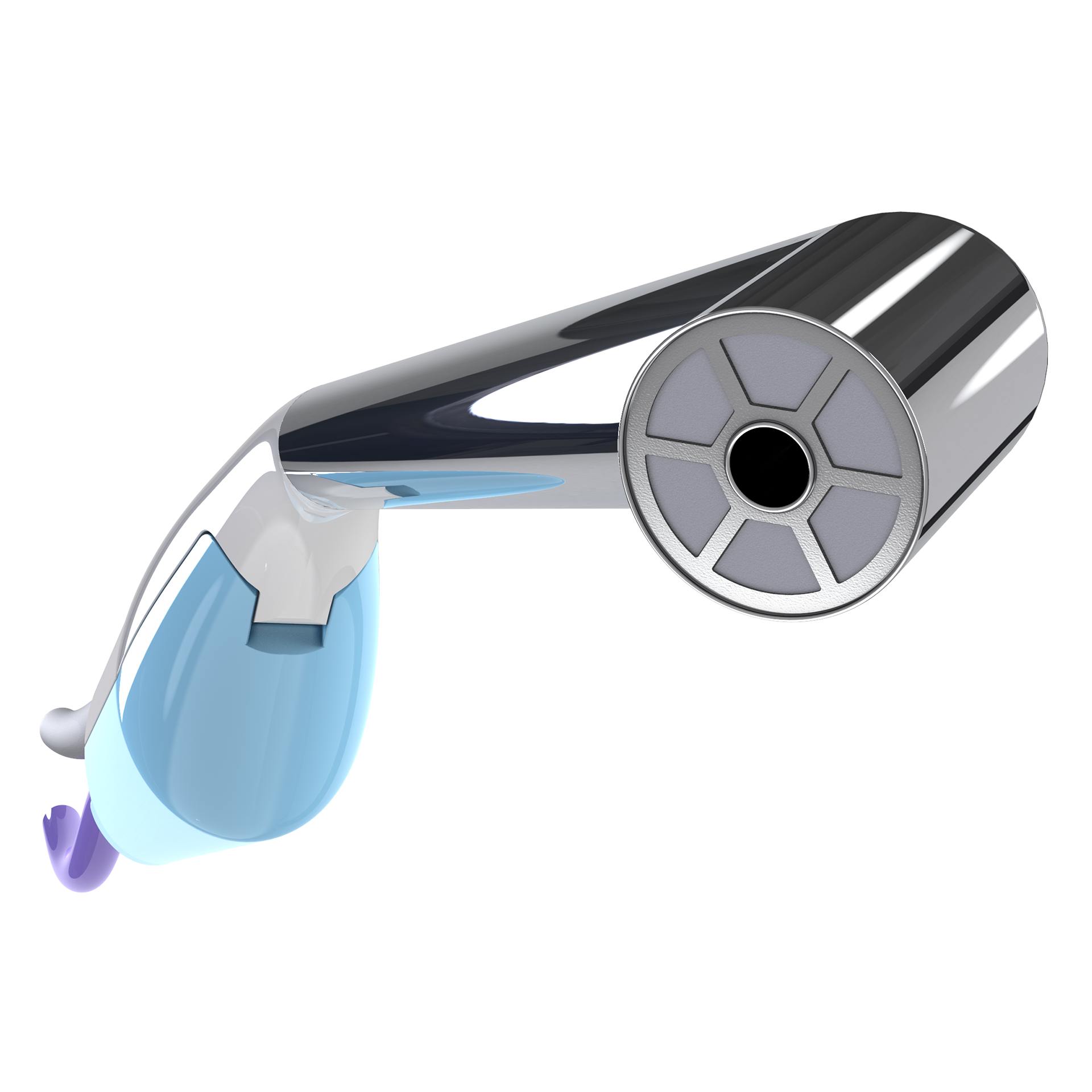
Innovative Surgical Probe
Beams asked Kickmaker to redesign TRIOP’s technological architecture. Our approach focused on optimizing the component integration to enhance the probe’s precision and sensitivity for detecting tumor cells.
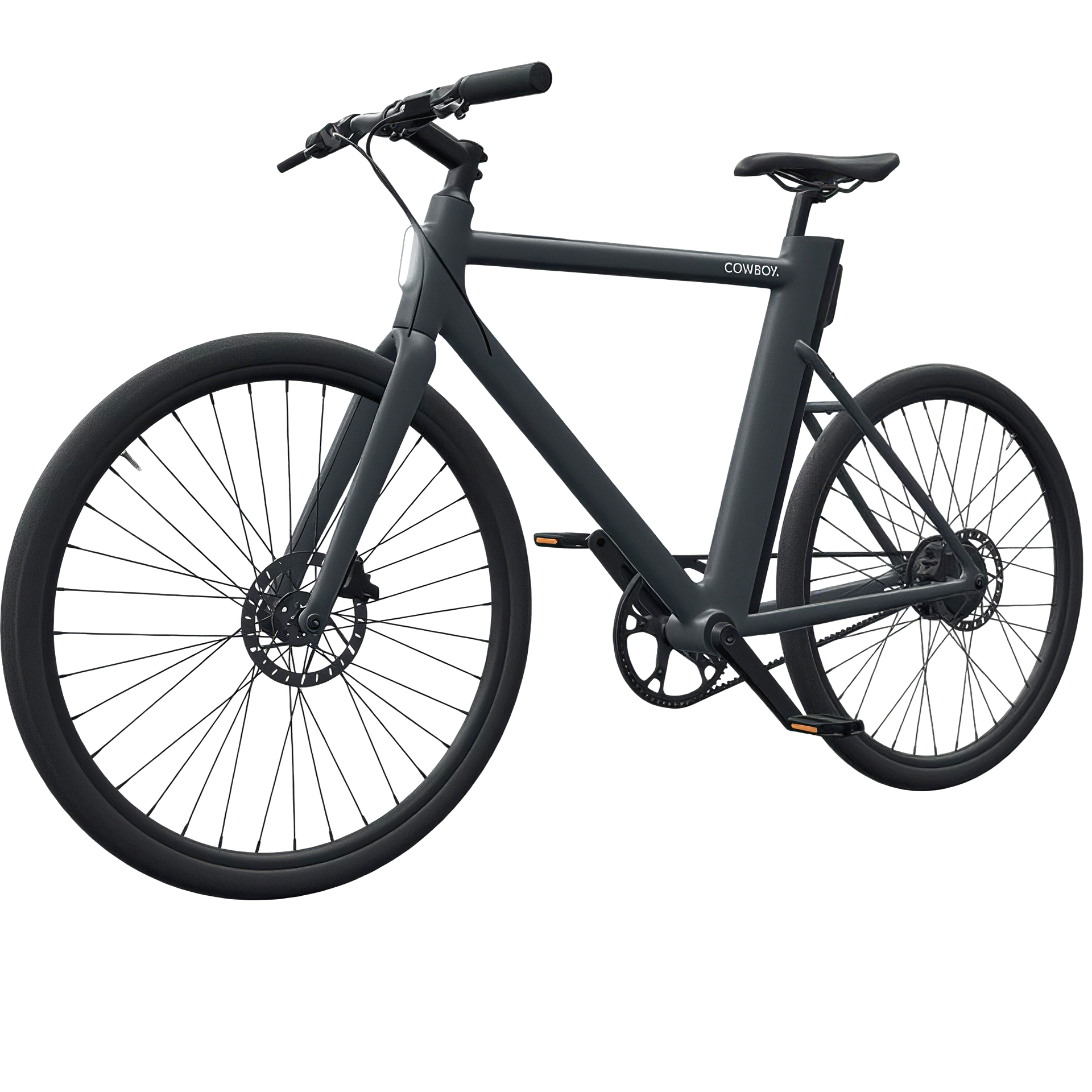
Cowboy bike: designing a custom motor controller
Cowboy, an innovative electric bike brand, wanted to take back control of their motor controller design to enhance technical integration and improve supply chain efficiency. To achieve this, they partnered with Kickmaker to develop a fully customized motor controller in collaboration with strategic partners.
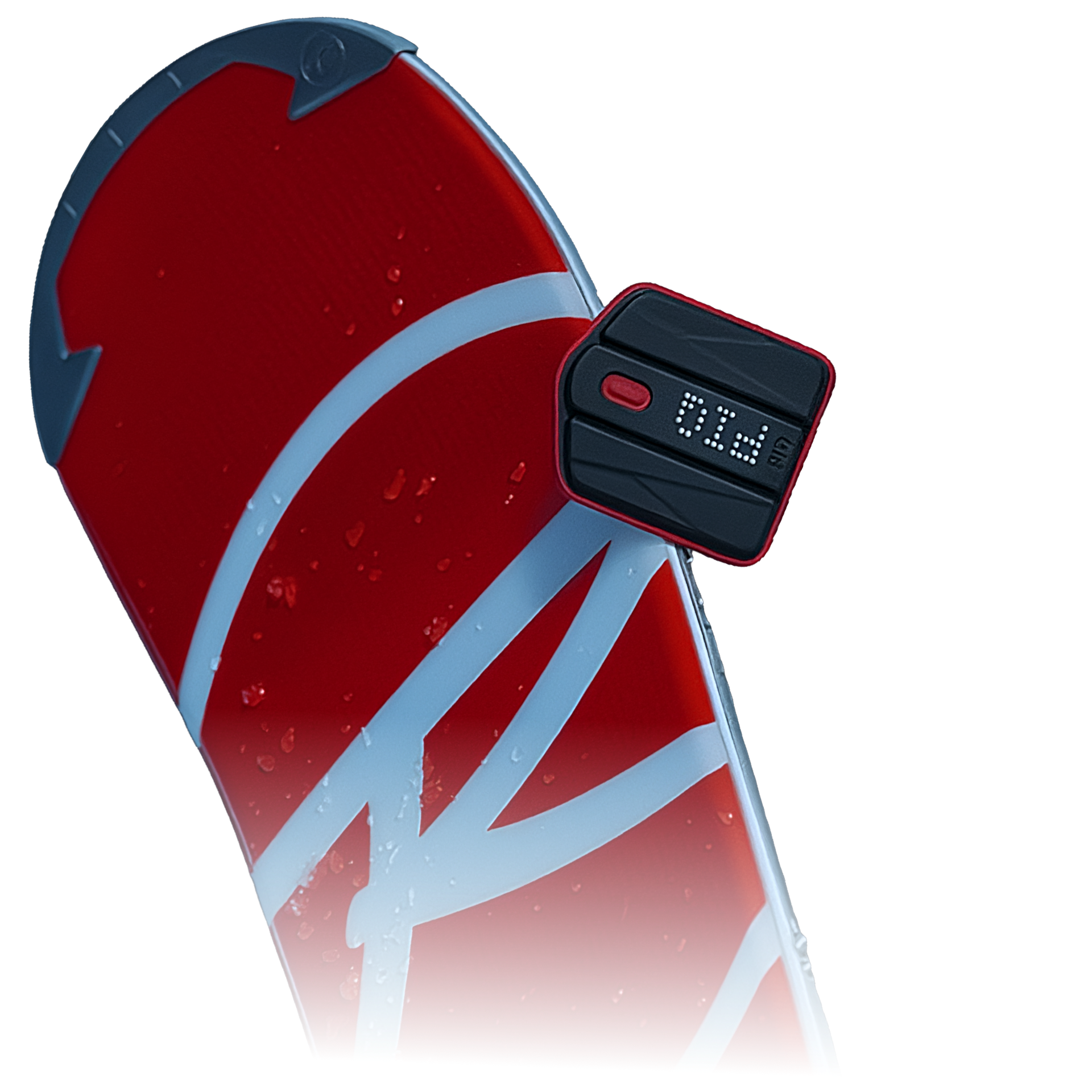
Rossignol: design of performance sensors for skis
Rossignol is developing an integrated ski-mounted device that measures skier performance and connects to a mobile app. Kickmaker supported the product’s design.
We have experience across high-stakes industries
Your market shapes how a product is used and what it must deliver. Our engineers have built products for nearly every high-stakes industry there is, so whatever you’re building, we’ve likely faced a version of your constraints before.
Frequently Asked Questions by Hardware Experts
How do you mitigate EMI/EMC compliance risks during the early PCB layout phase?
Kickmaker addresses EMI/EMC risk through loop control, return paths, stack-up, switching nodes, filtering, and connector strategy. We review before routing release and use targeted measurements before formal laboratory testing.
What is your approach to thermal management for high-density interconnect (HDI) rigid-flex boards?
We begin with power dissipation, component limits, duty cycles, and environmental conditions. Copper, thermal vias, rigid sections, interfaces, and the enclosure form the heat path. Our engineers compare simulation with representative measurements and defined temperature criteria. The evidence guides layout or packaging changes.
How do you ensure component lifecycle management and mitigate supply chain obsolescence before DFM?
Lifecycle risk starts with component selection. Kickmaker records lifecycle status, availability constraints, and qualified BOM alternatives. Replacements are checked for electrical, layout, firmware, and qualification impact. This reduces redesign exposure without promising permanent availability.
What strategies do you employ for Over-the-Air (OTA) firmware update security in IoT edge devices?
Hardware supports trustworthy updates through protected keys, a secure element, secure boot, memory partitioning, power-loss tolerance, and a recovery image. Our teams verify these resources with firmware; fleet orchestration belongs to Embedded Software and IoT.
Talk to us and see what’s possible
Tell us about your product, its current stage, and the challenge ahead. We’ll discuss your priorities and identify where our team can help you take the next step.
"*" indicates required fields