Advanced Aerospace Engineering & Industrialization Services
Drones, autonomous systems and constellations of small satellites: aerospace and defence are accelerating at an unprecedented pace. Development cycles are now measured in months, and the ability to produce at scale is once again a strategic advantage. Kickmaker brings together more than 300 engineers in mechatronics, electronics, embedded AI and industrialization to take your equipment from demonstrator to serial production, with the agility of a start-up and the rigor of industry.
Navigating the Complexity of Aerospace & Defense Manufacturing
Aerospace manufacturing is an exercise in interdependent constraints. A payload changes mass, power and thermal budgets; a new enclosure can alter antenna performance; a component substitution can reopen verification. We examine these interfaces early, including vibration, radiation or thermal-vacuum exposure when the mission requires them, and keep each decision tied to the tested configuration.

Embedded Software & Avionics Hardware Development
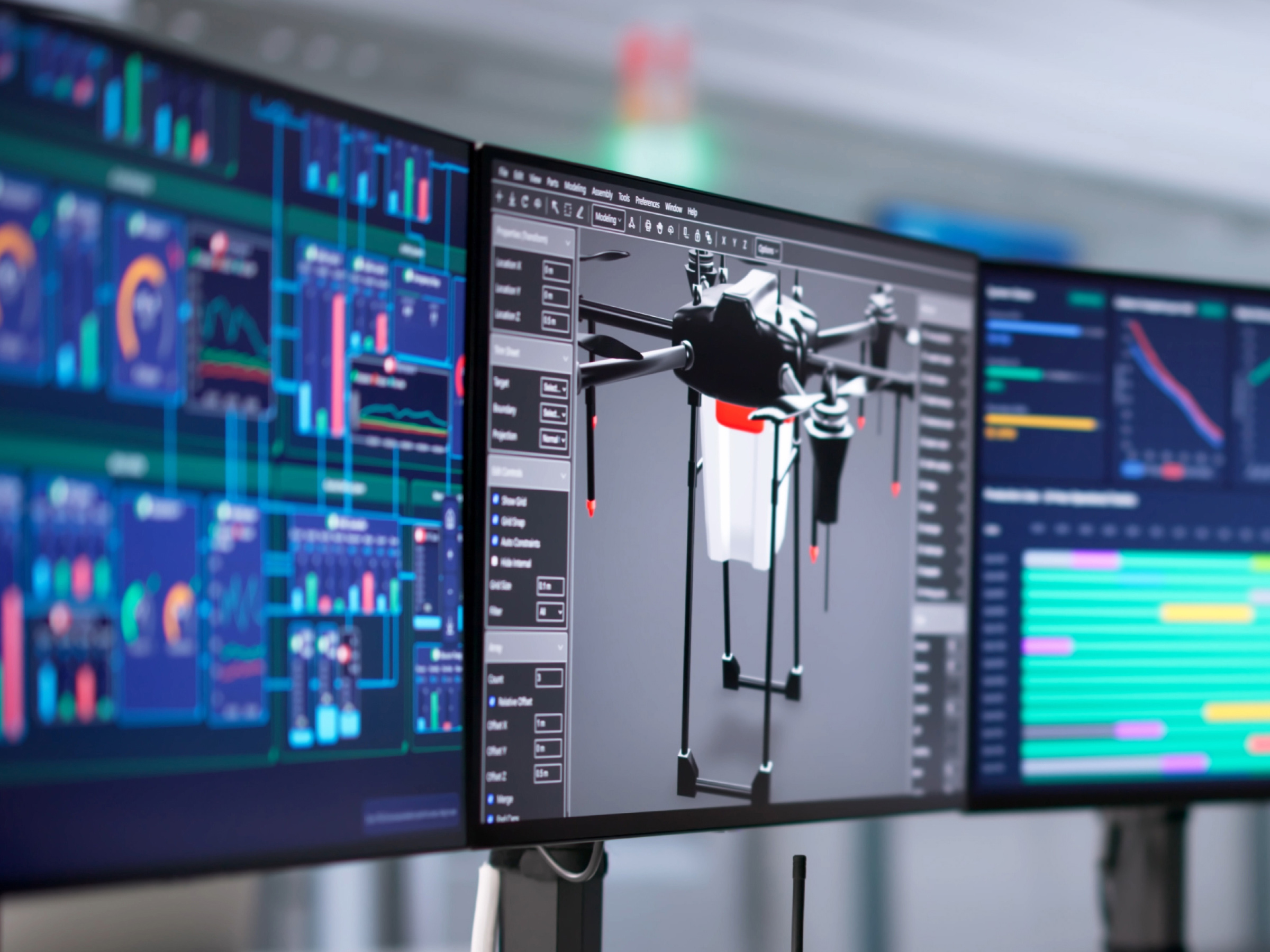
An autonomous system must sense, compute and communicate under defined operating conditions. Depending on the mission, our engineering work may combine sensor fusion, GNSS/INS navigation, embedded perception and degraded-mode behavior when positioning or a data link is lost. The architecture separates critical control from less critical processing and makes the system’s assumptions testable.
Cybersecurity is part of the embedded architecture: secure boot, protected keys, controlled access and signed software updates are considered against the actual threat model. They support continuity and traceability, but do not in themselves constitute certification or guarantee immunity to attack.
Structural Integrity & Additive Manufacturing
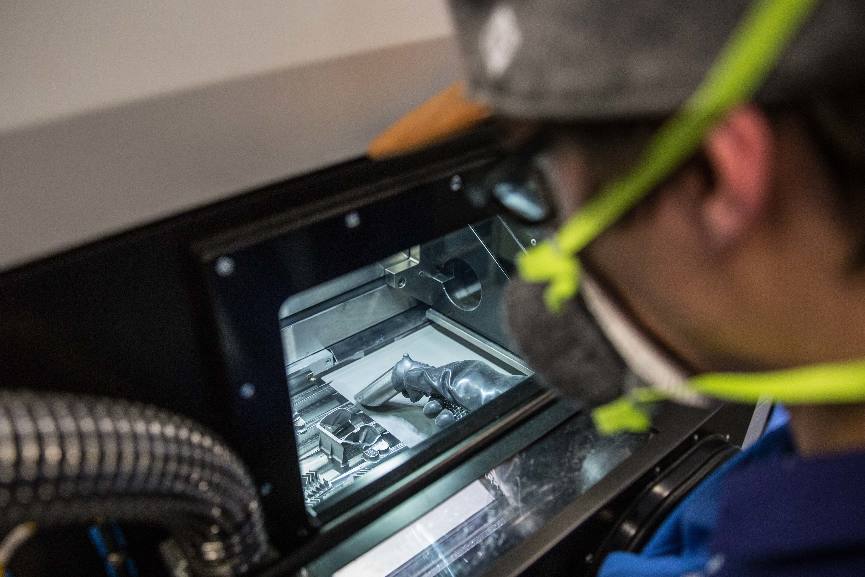
For airborne and space hardware, mass reduction must be weighed against stiffness, fatigue, vibration, thermal expansion and inspectability. We compare materials and manufacturing routes—including composites and metal additive manufacturing where justified—against the loads and acceptance criteria of the intended mission.
Engineering builds can reveal where a lightweight bracket moves, a seal ages or a thermal path fails. These observations guide the next design decision and keep structural integrity connected to production capability.


-
Specialized Expertise for Defense and Space Applications
Defense and space programs call for different architectures, but share a need for controlled change and credible evidence. An inspection drone must balance endurance, perception and secure communications; a LEO constellation component must be repeatable across units; a GEO satellite mechanism must be designed for its long mission life. Micro-launchers add another combination of mass, cost, vibration and production-cadence constraints.
-
Managing ITAR Compliance and EN9100 Quality Standards
The customer establishes export classification and access rules for the program. ITAR applies only where US-controlled items or technical data are involved; European and national export controls may also govern the work. Kickmaker can organize the engineering handoffs and configuration records within the applicable framework, but does not determine the legal status of a program.
Where EN9100 quality requirements apply, configuration control, traceability and supplier evidence influence the work from early design. The standard is a quality-system reference, not a claim that a prototype is certified. Likewise, DO-178C or DO-254 become relevant only when the assigned system and approval pathway call for them.

Aerospace Engineering Success Stories
Aerospace and defense projects are often confidential. We can discuss relevant engineering approaches and, where disclosure is authorized, show how a mission constraint, design trade-off and test result shaped a production decision.

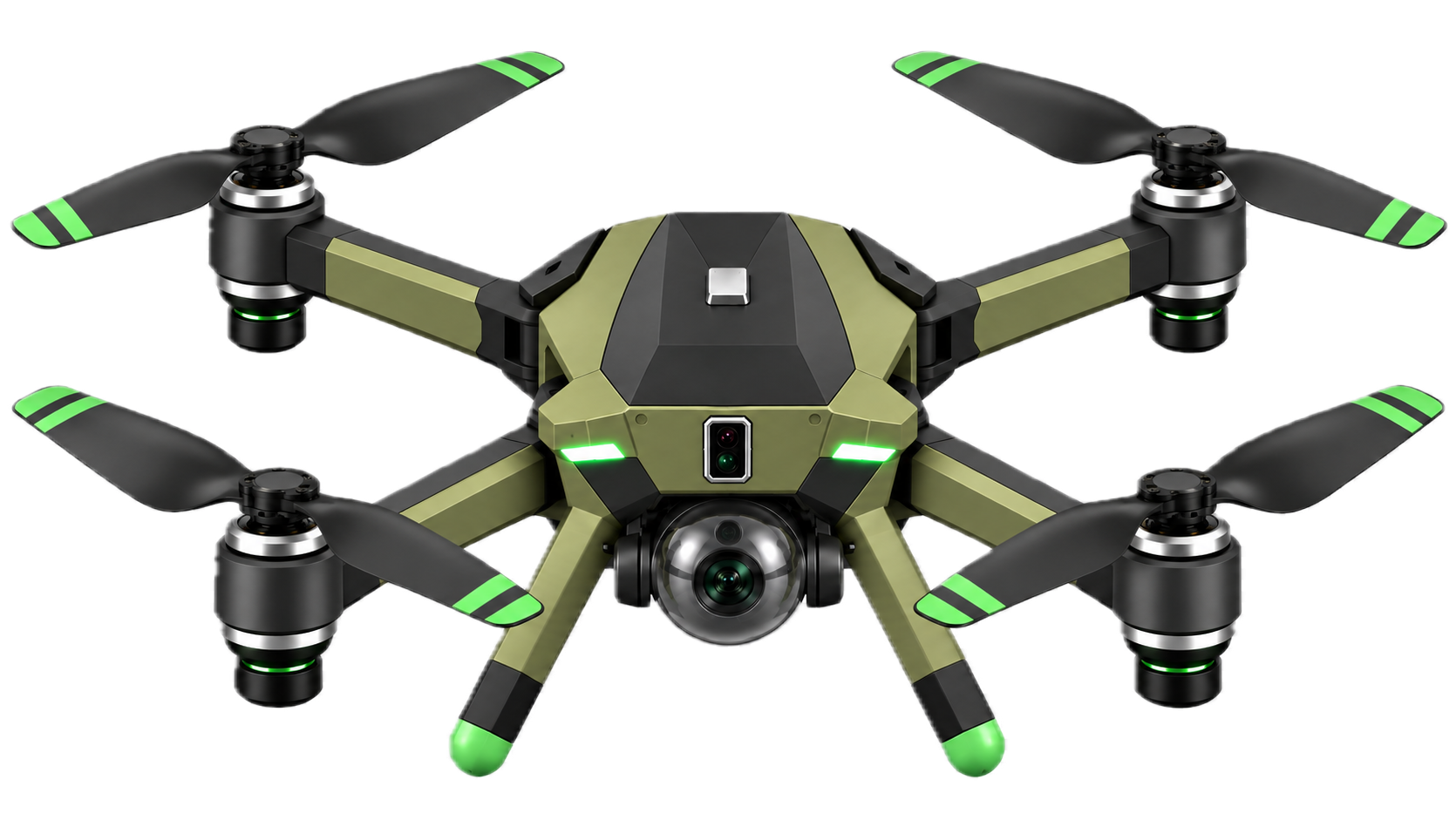
Military Drone: From Product Audit to Industrialisation
A North American company specialising in professional drones wanted to develop a more compact platform suited to surveillance and reconnaissance missions.
The engineering disciplines behind every Kickmaker build
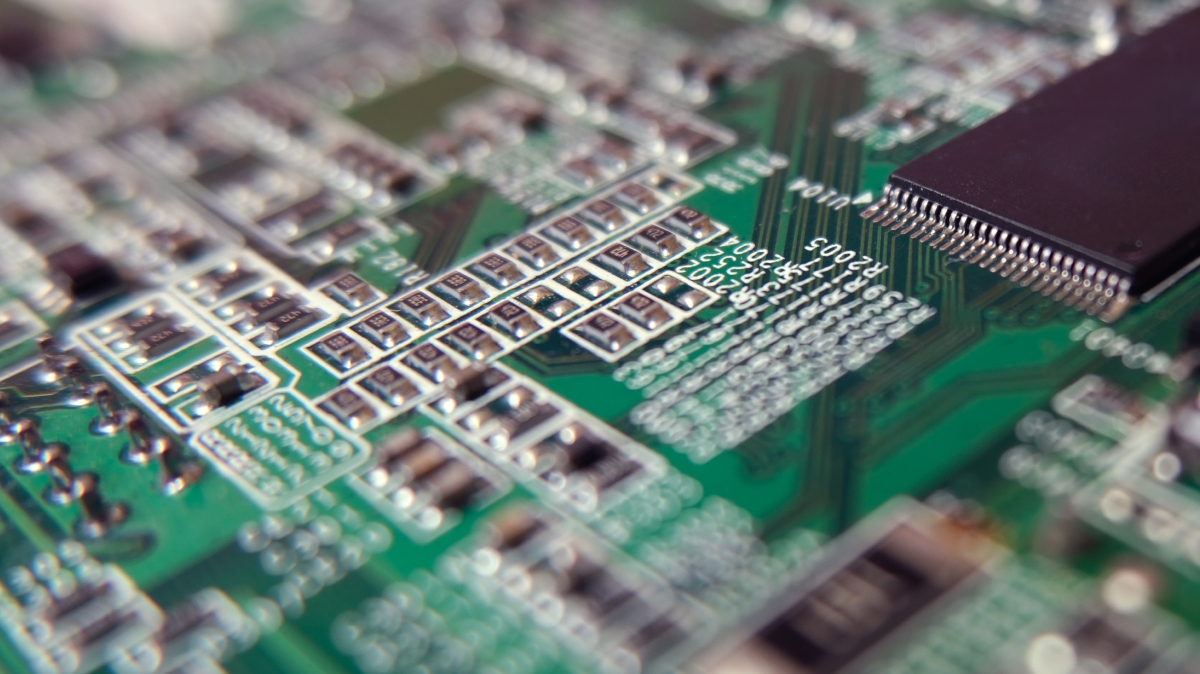
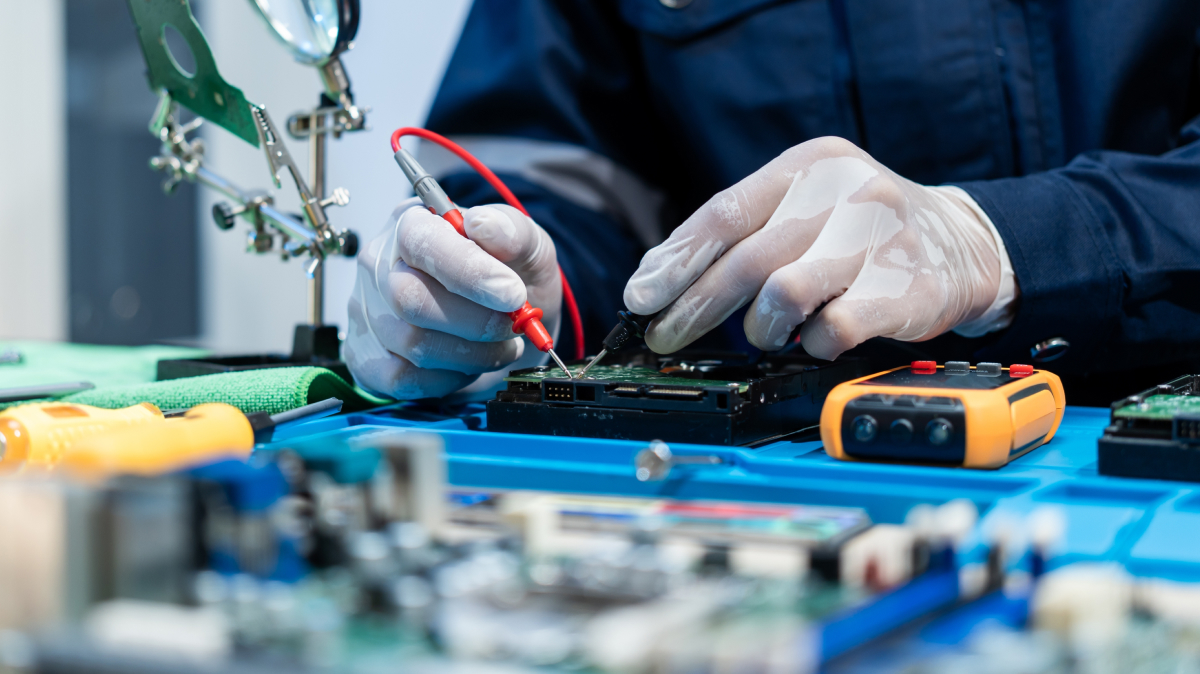
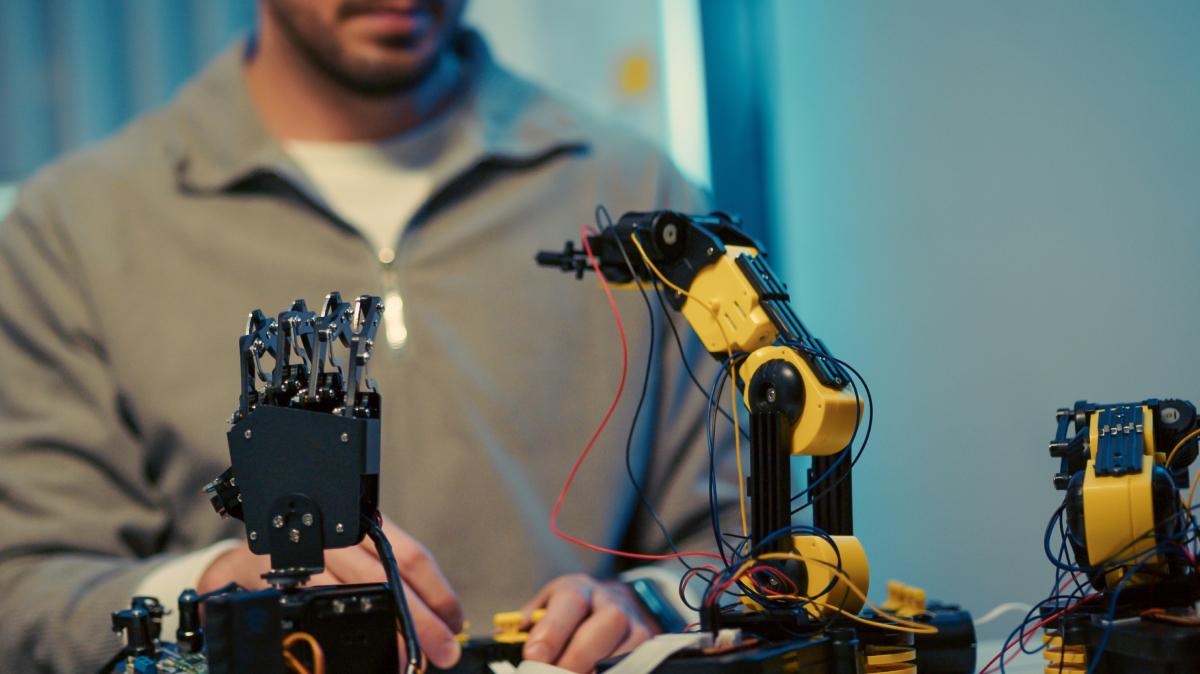
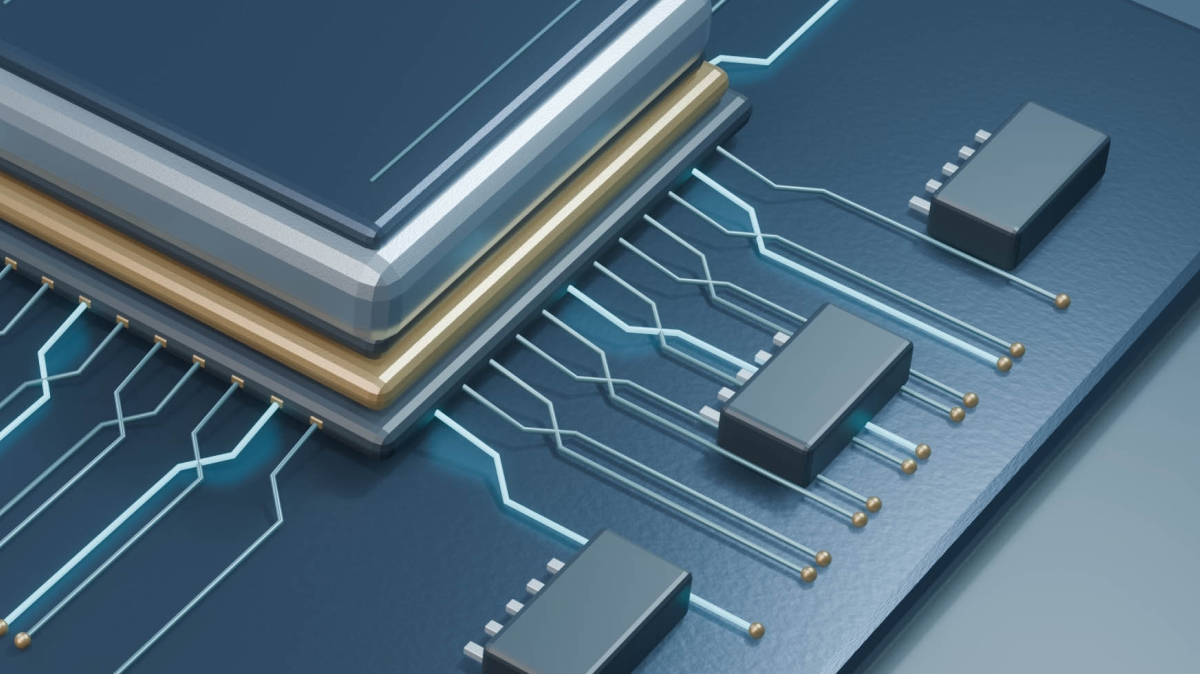
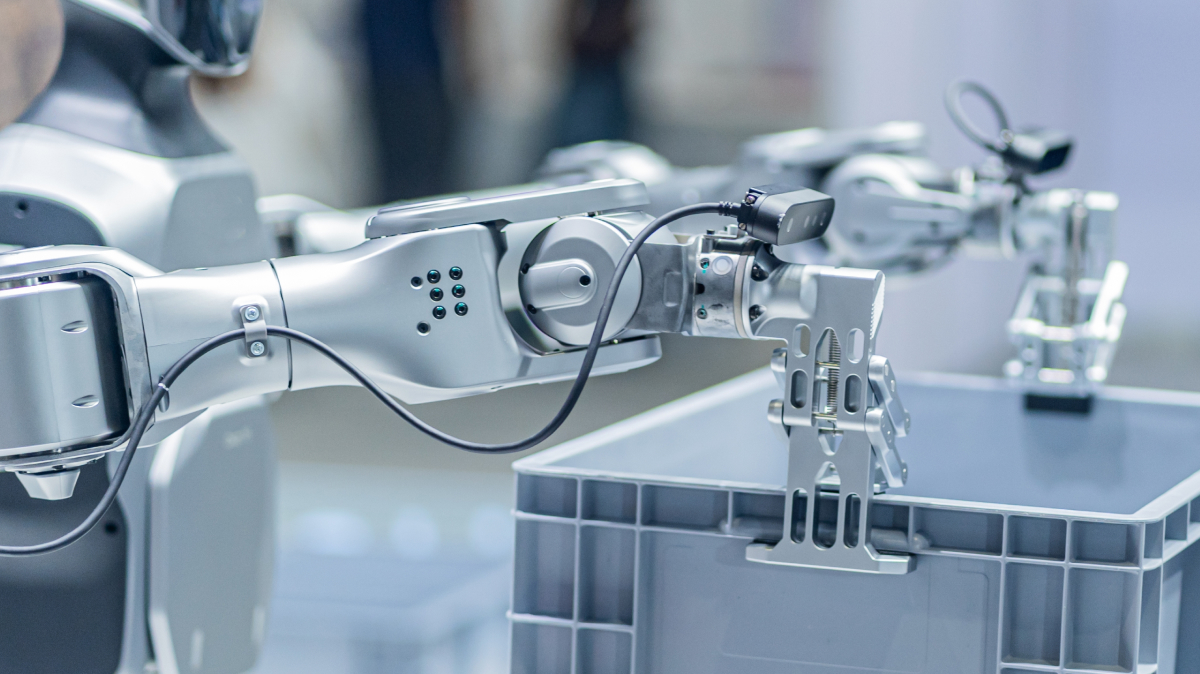
Product performance depends on how its parts work together. Heat from a circuit board, for example, affects enclosure design and firmware power management. Our engineers test these interactions on prototypes to help your team choose the next design step. Explore our hardware product development expertise:




Frequently Asked Questions (FAQ)
How early should certification requirements shape a prototype?
At the architecture stage. The intended mission and approval route influence materials, design records, tests and supplier choices. Early alignment reduces preventable redesign, but the customer and competent authorities retain their respective approval roles.
When is non-destructive testing useful?
When the structure, process and acceptance plan require evidence about defects that cannot be assessed by a simple visual check. The relevant method, sampling and criteria must be defined for the actual part and program.
How can fast iteration coexist with controlled change?
Record the tested configuration, the reason for each change and its impact on requirements, risks and verification. Short development cycles then remain compatible with traceable release decisions.
Talk to us and see what’s possible
Tell us about your product, its current stage, and the challenge ahead. We’ll discuss your priorities and identify where our team can help you take the next step.
"*" indicates required fields