Pre-production: Where “it works” becomes “it works at scale”
Pre-production is where hardware products either earn their place on a production line or reveal the flaws that would have shown up on the factory floor. We built our process specifically to span the chasm between Research & Development (R&D) and mass manufacturing: running your product through Engineering Validation Test (EVT), Design Validation Test (DVT), and Production Validation Test (PVT) with a relentless focus on tooling readiness, process control, and design for excellence (DFX).
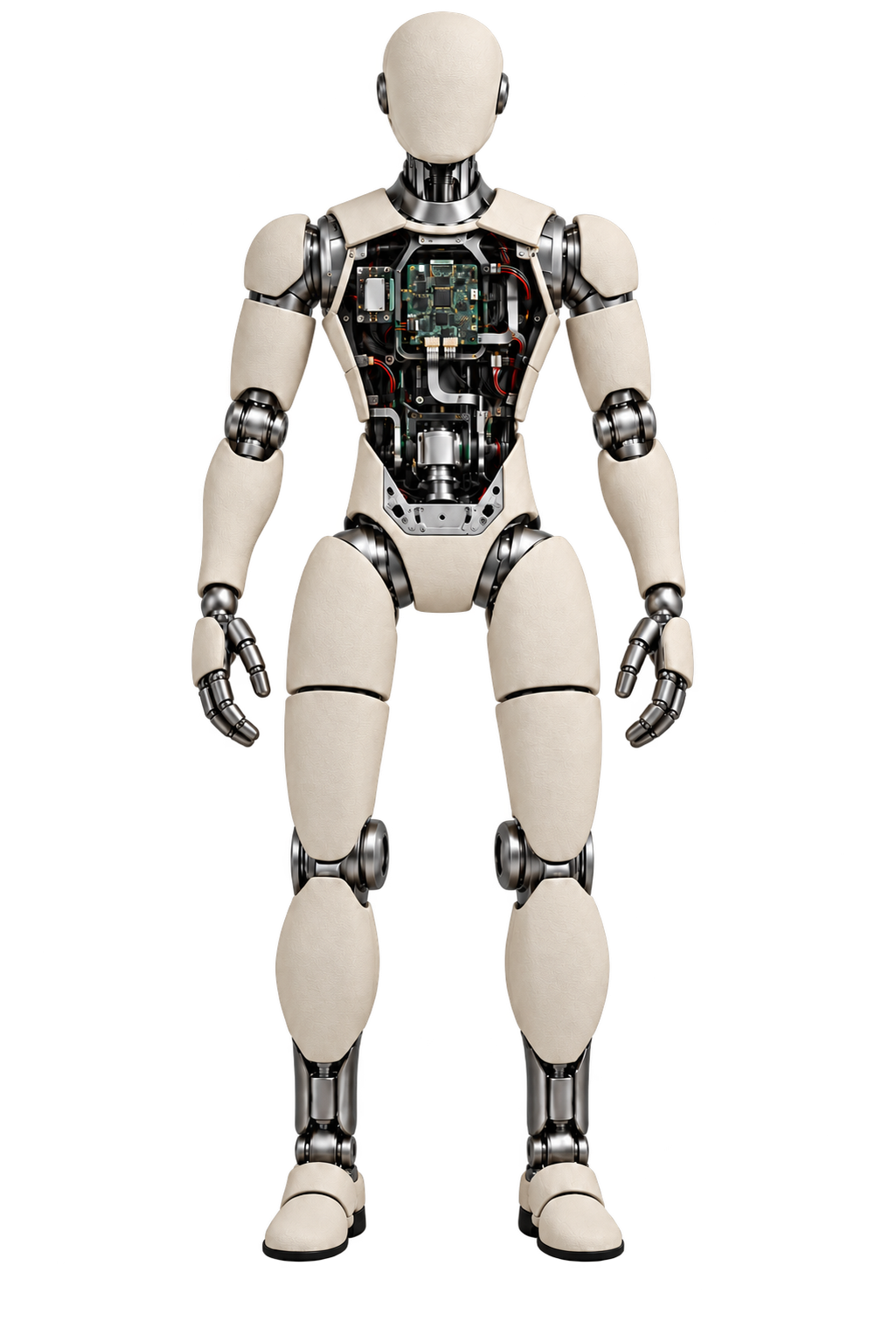
Nothing gets left to guesswork
Pre-production is where we stress-test every assumption your prototype made about tooling, sourcing, and process before it reaches a factory floor. It starts with Engineering Validation Test (EVT), confirming your design intent holds up before we move into DVT and PVT, all part of the NPI framework that gets your hardware industrialization off to a controlled start.
Industrialization (DVT)

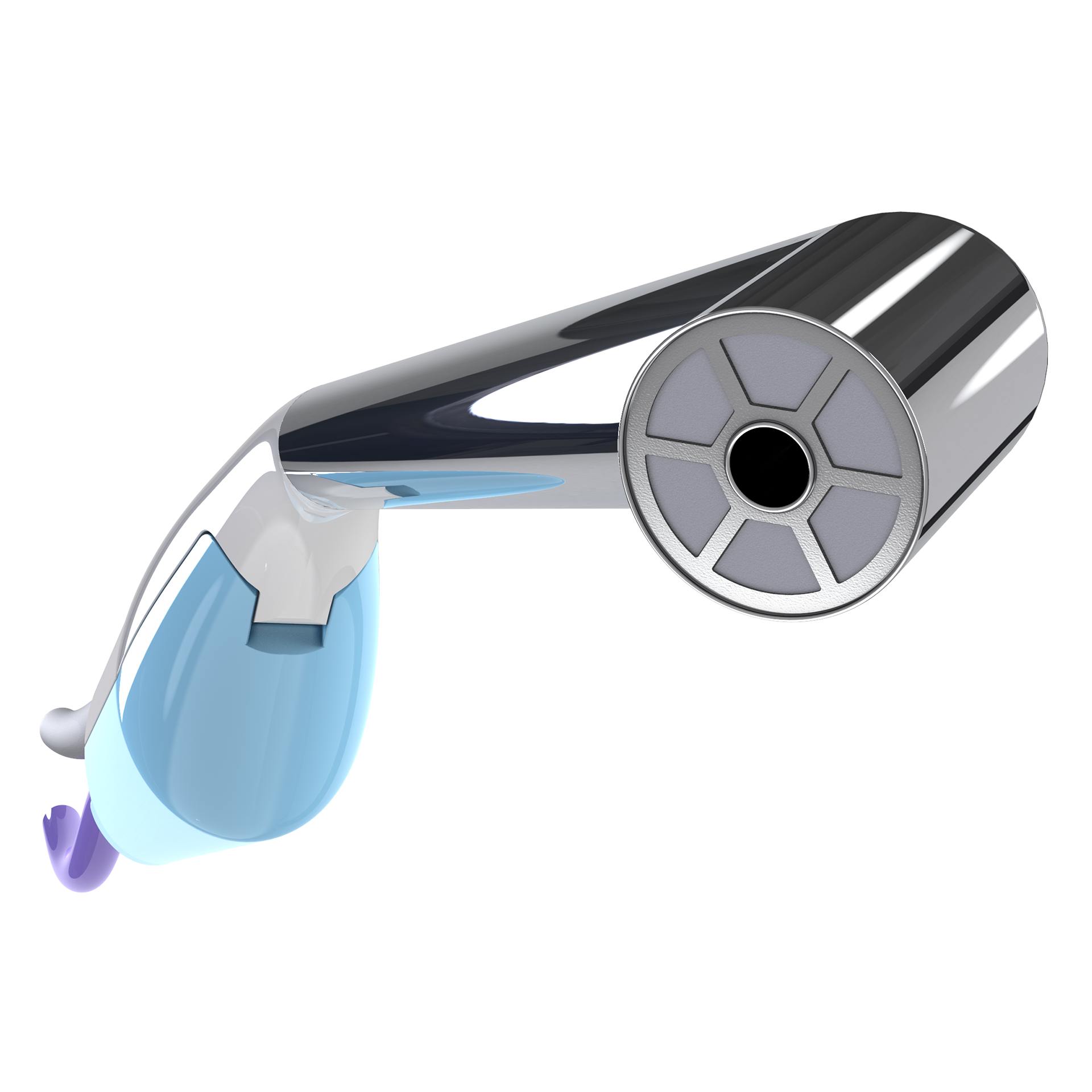
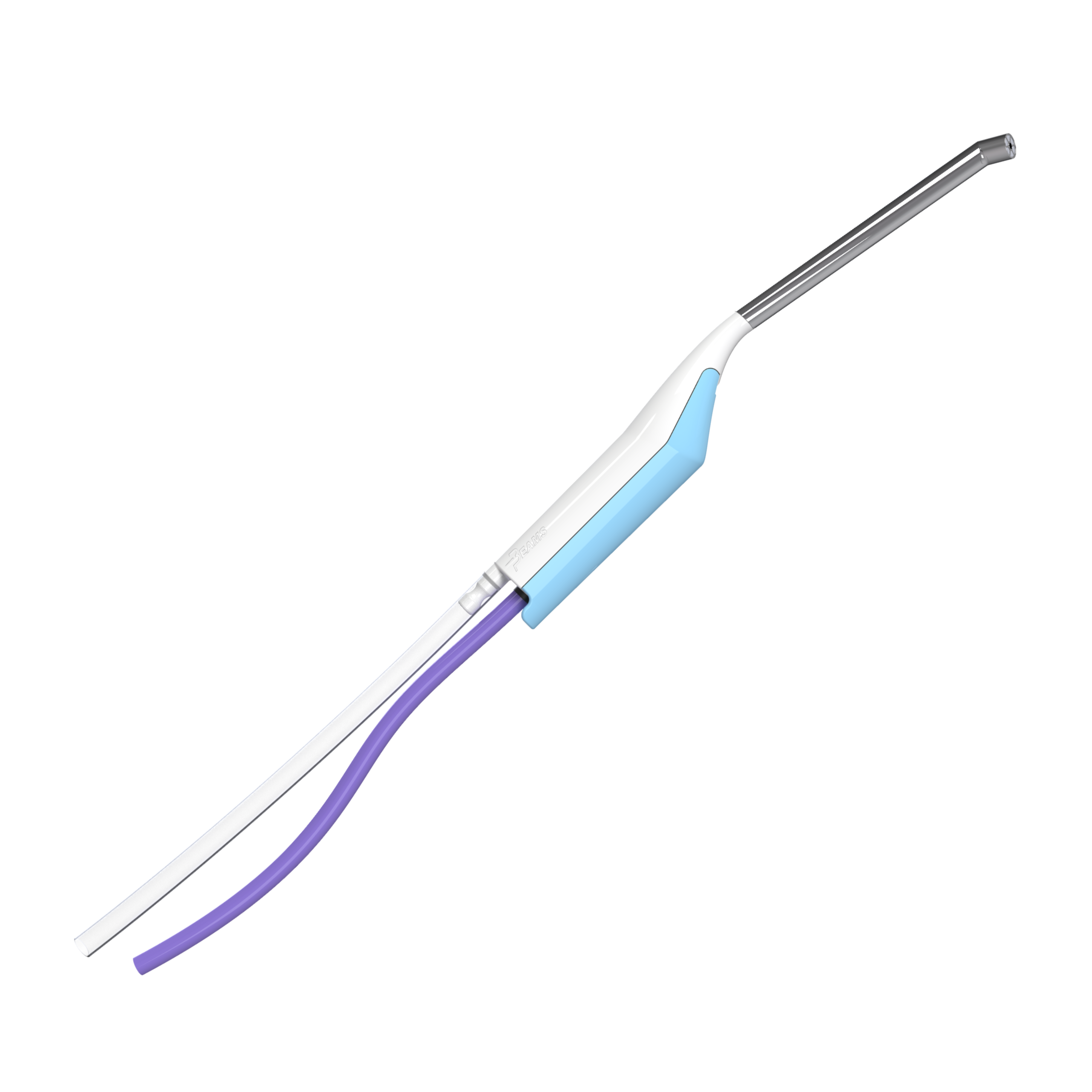
Innovative Surgical Probe
Beams asked Kickmaker to redesign TRIOP’s technological architecture. Our approach focused on optimizing the component integration to enhance the probe’s precision and sensitivity for detecting tumor cells.
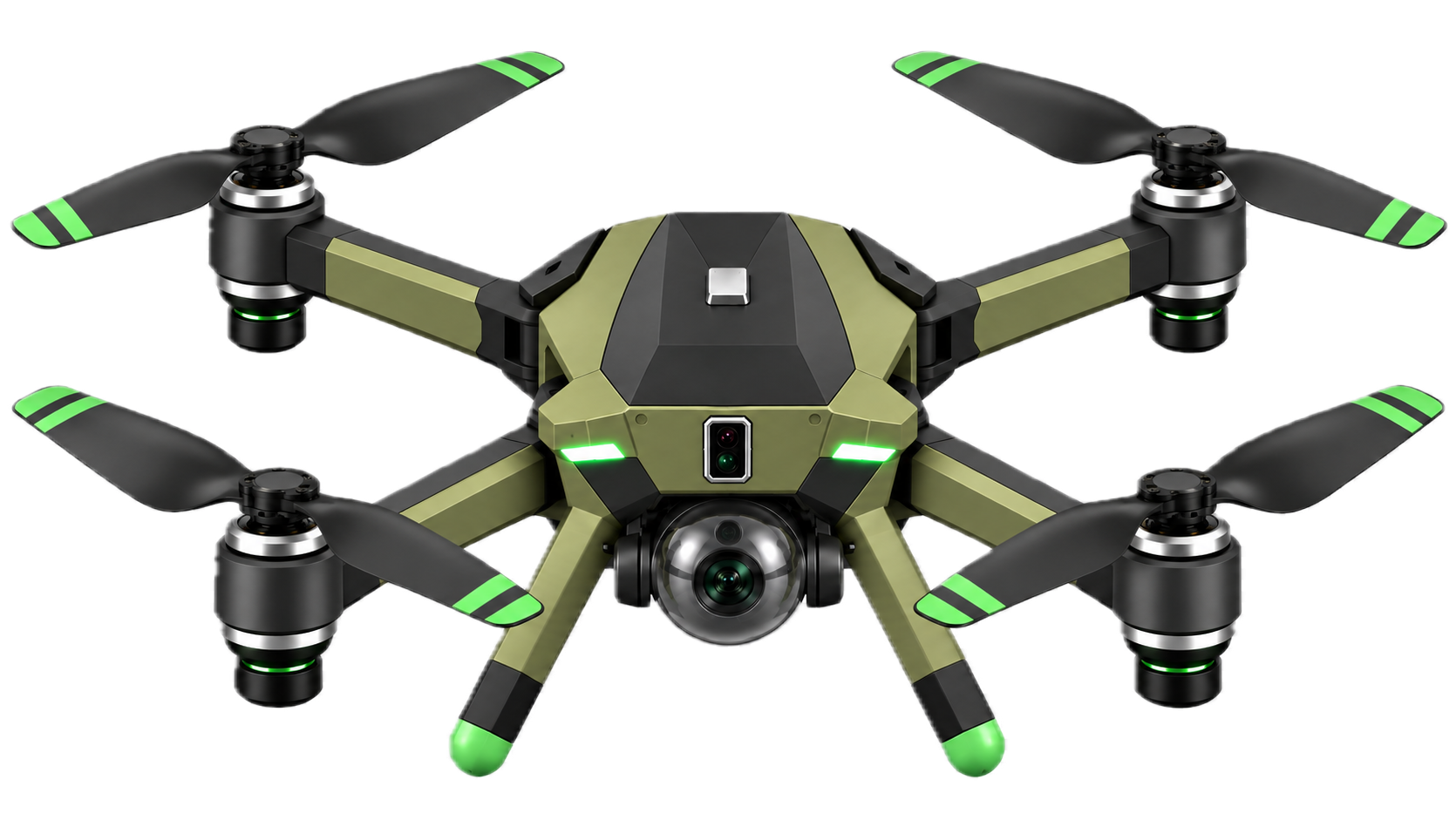
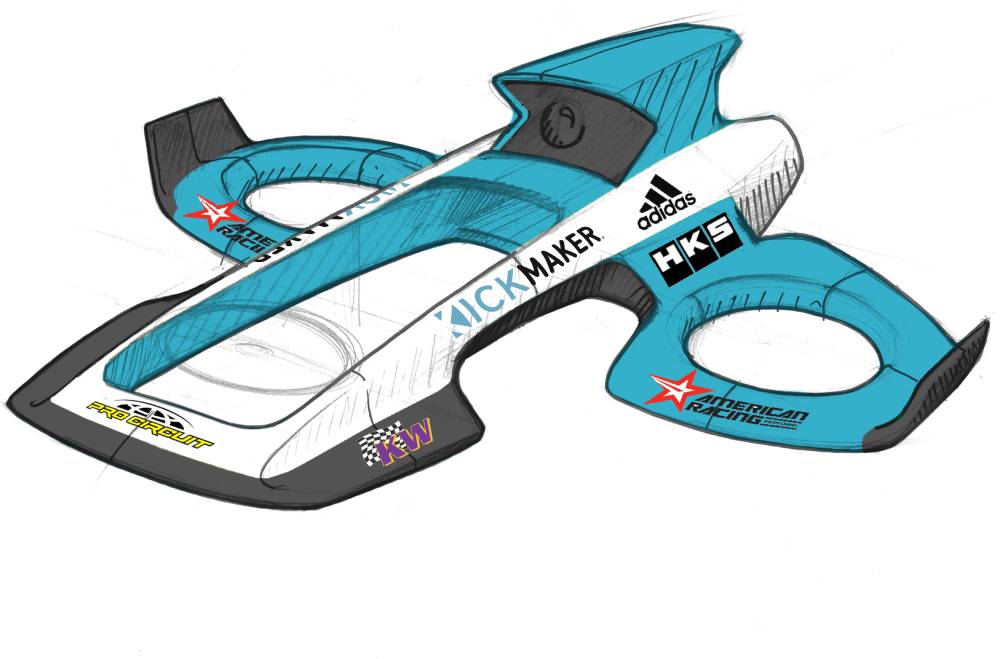
Military Drone: From Product Audit to Industrialisation
A North American company specialising in professional drones wanted to develop a more compact platform suited to surveillance and reconnaissance missions.
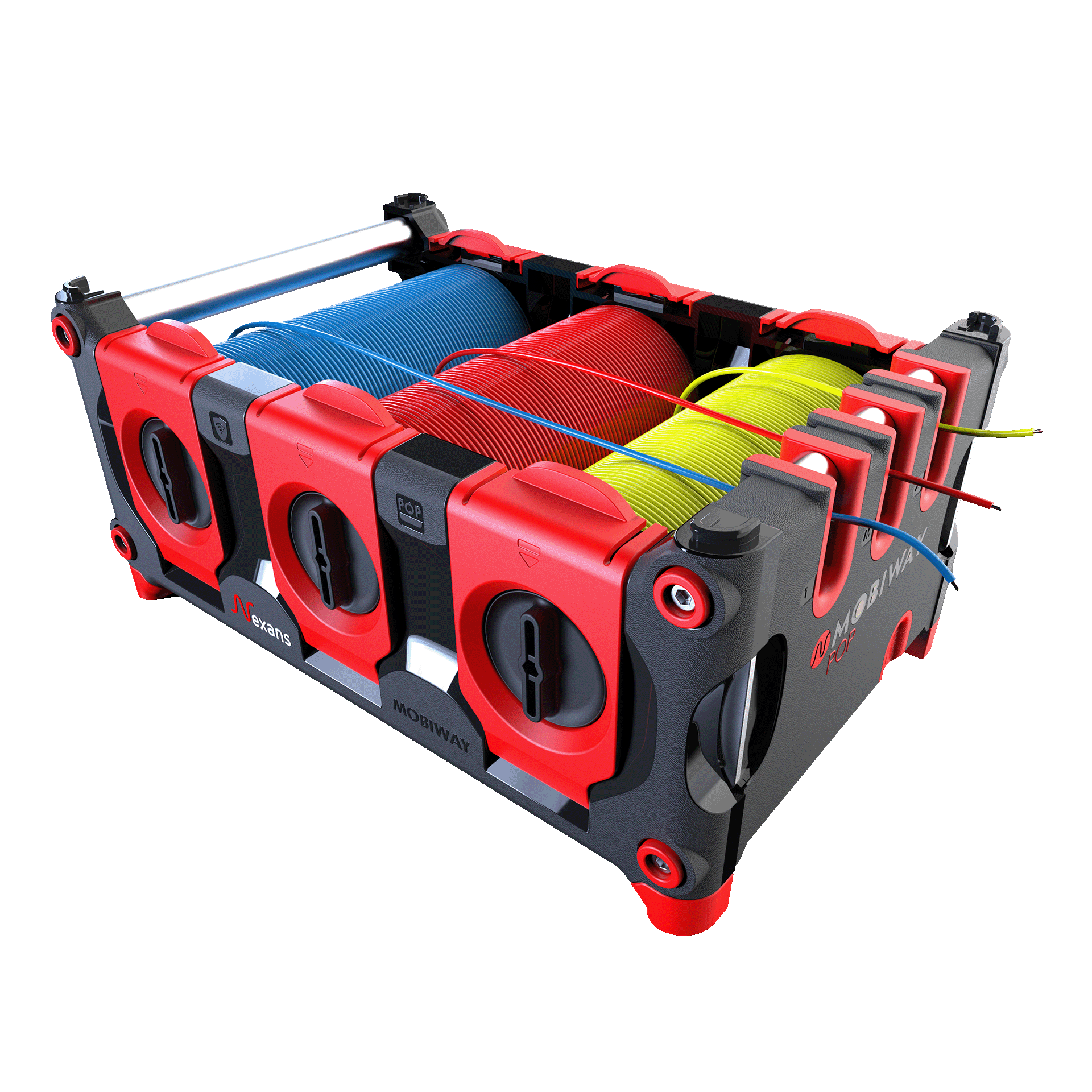
Nexans: A smart tool to optimize on-site cable management
To bring this ambition to life, Nexans chose to rely on Kickmaker to develop a comprehensive solution integrating hardware and a mobile application, from proof of concept through to mass production.
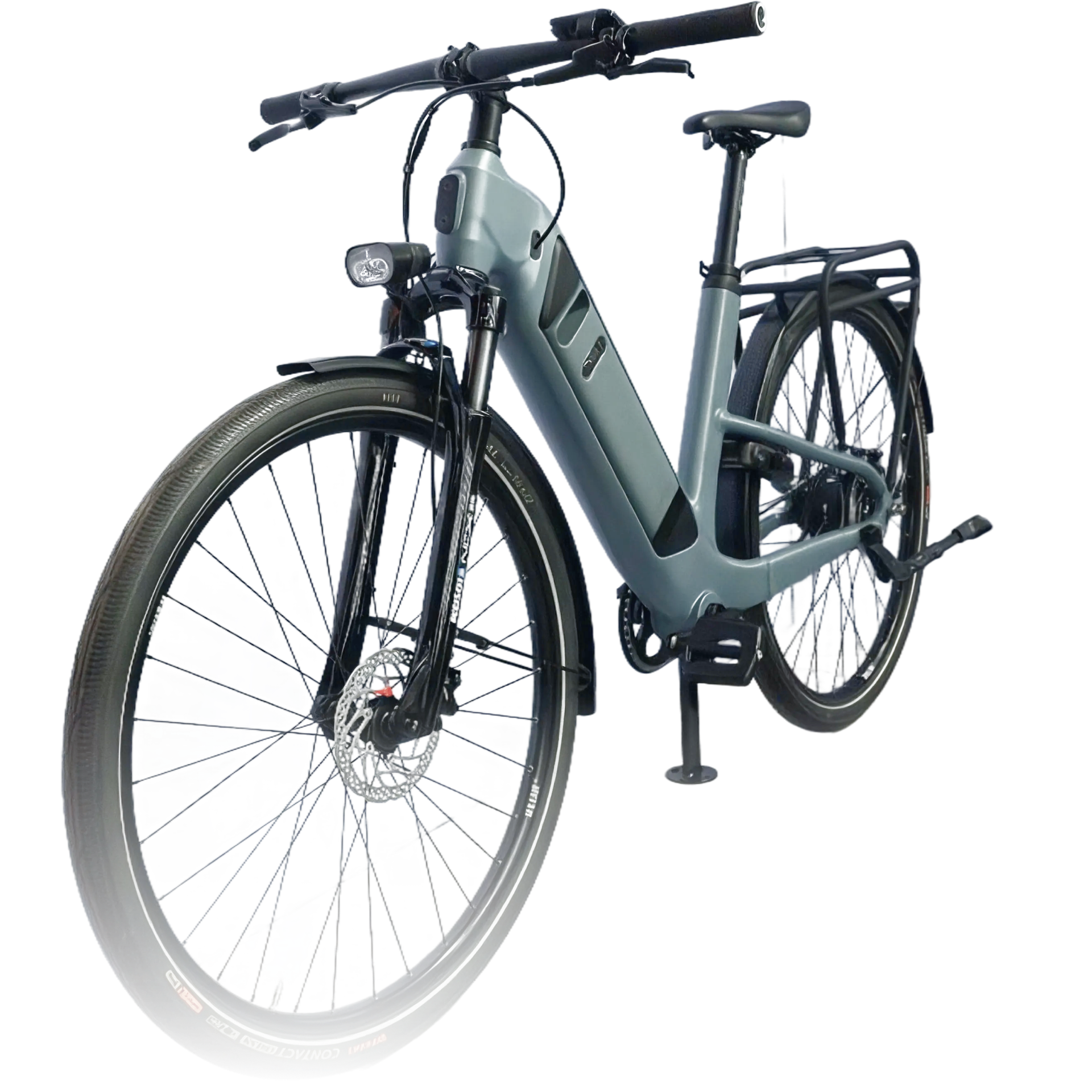
ENYRING: support in the development of a fleet of eBikes
ENYRING, a subsidiary of Yamaha Group, is developing an innovative mobility solution. Based on a Battery-as-a-Service approach, it combines eBikes, battery management infrastructure, battery swap stations, and a mobile app into an integrated ecosystem. The goal is to make urban cycling more practical through smart product design and modular infrastructure.
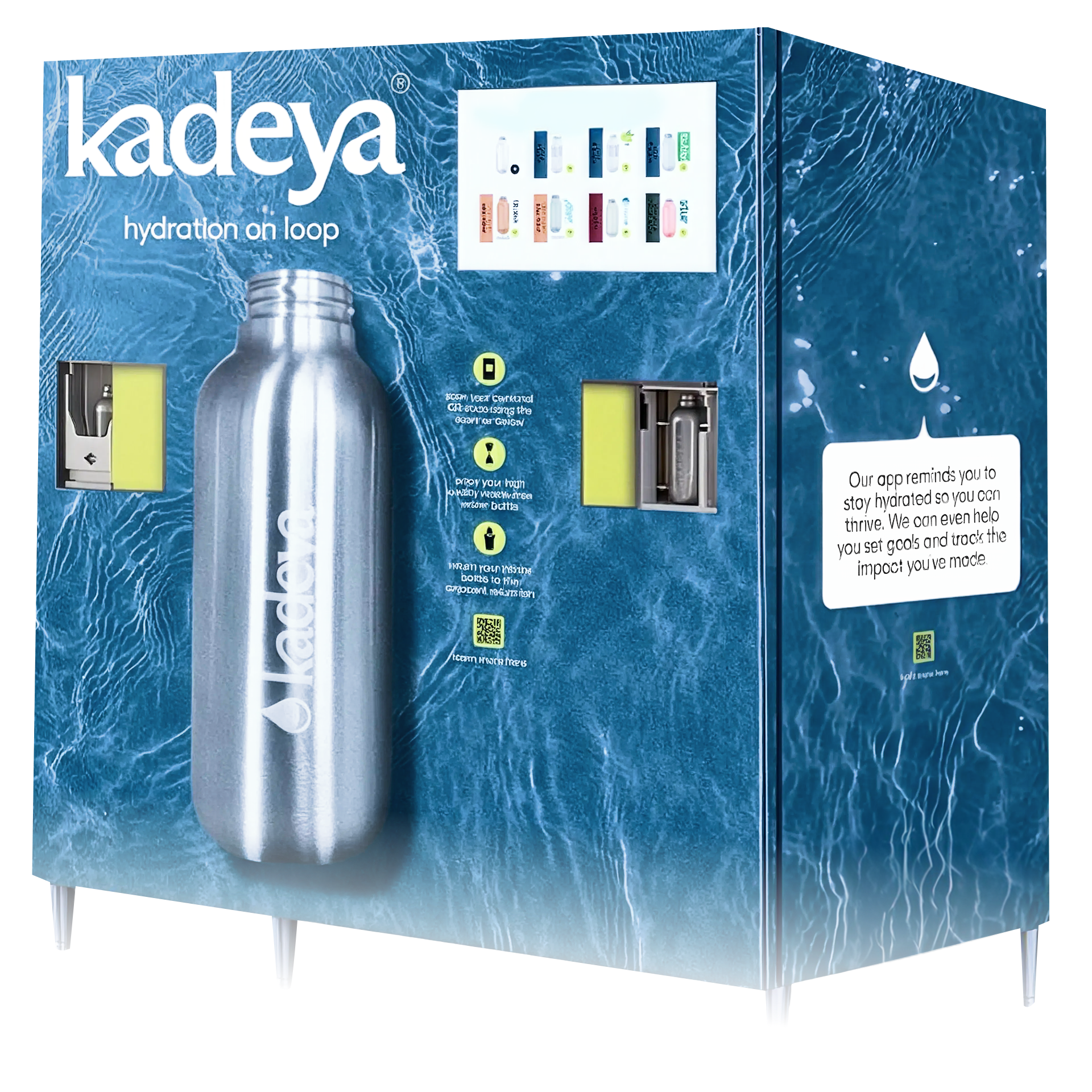
Waste-free beverage vending station
Kadeya developed the first closed-loop beverage system designed to wash, sanitize, inspect, and refill bottles. Our mission was to create a functional machine within four months to secure funding. This high-stakes project came with a tight budget and deadline.
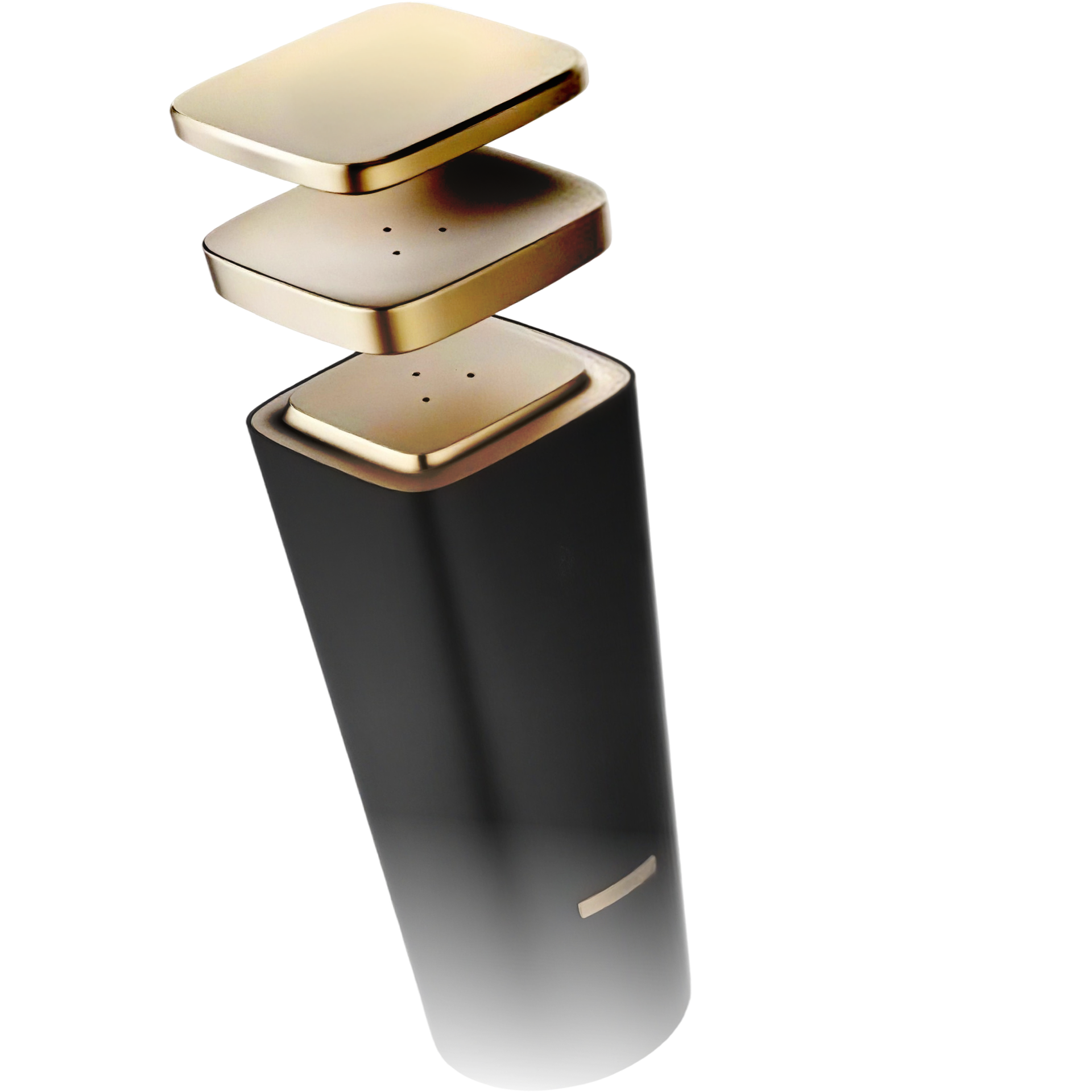
L’Oréal Perso: Redesign and industrialization
With this project, L’Oréal is taking a major step forward in the consumer electronics space by developing Perso, an innovative device enabling advanced makeup personalization. Kickmaker’s teams provided their technical expertise to support its development.
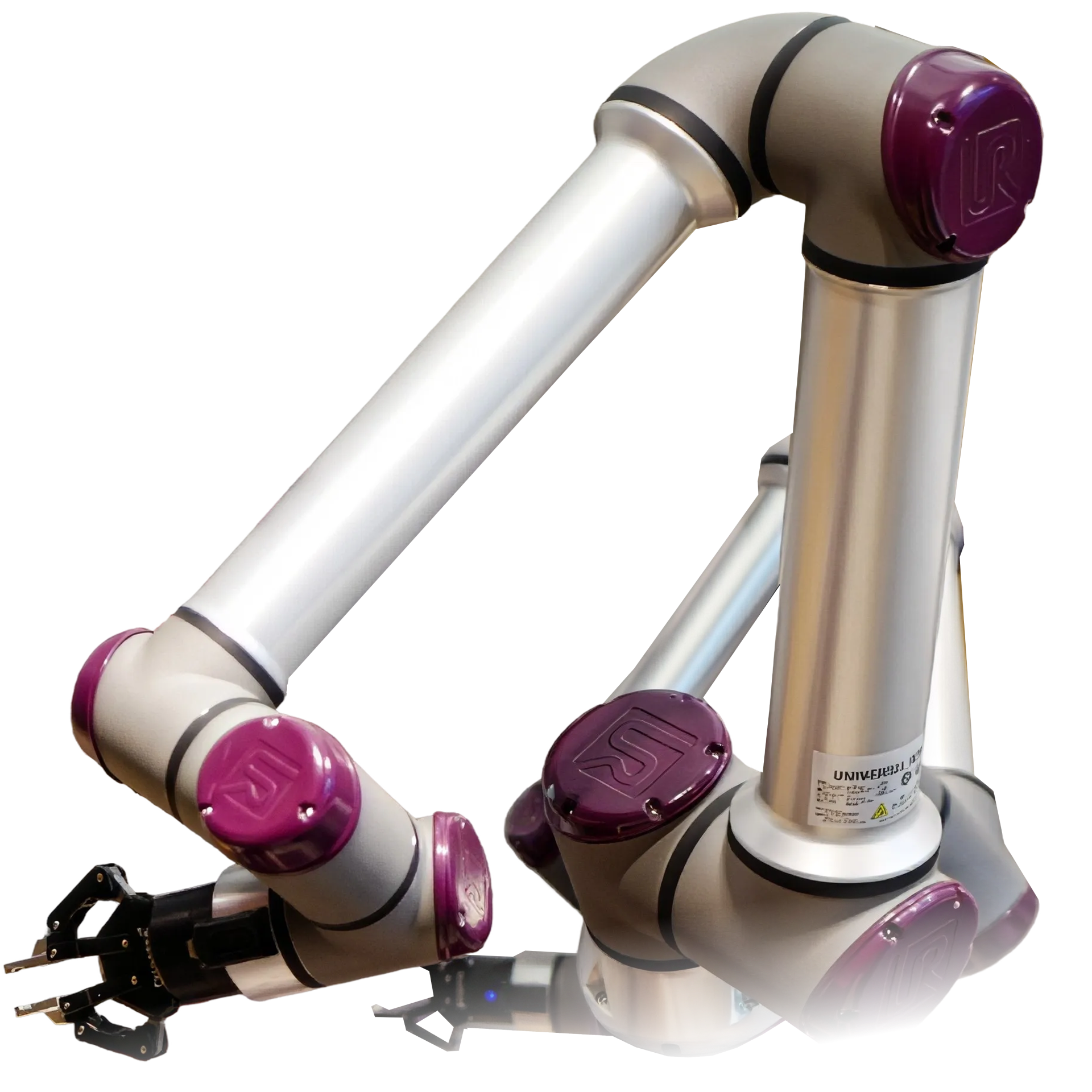
First automated pizza-making store
Pazzi Robotics transformed the fast-food industry with their pizza robot by creating the first fully autonomous restaurant. Kickmaker developed a scalable prototype of a cloud-connected, machine-learning platform featuring robots and robotic modules, allowing the restaurant to operate independently.
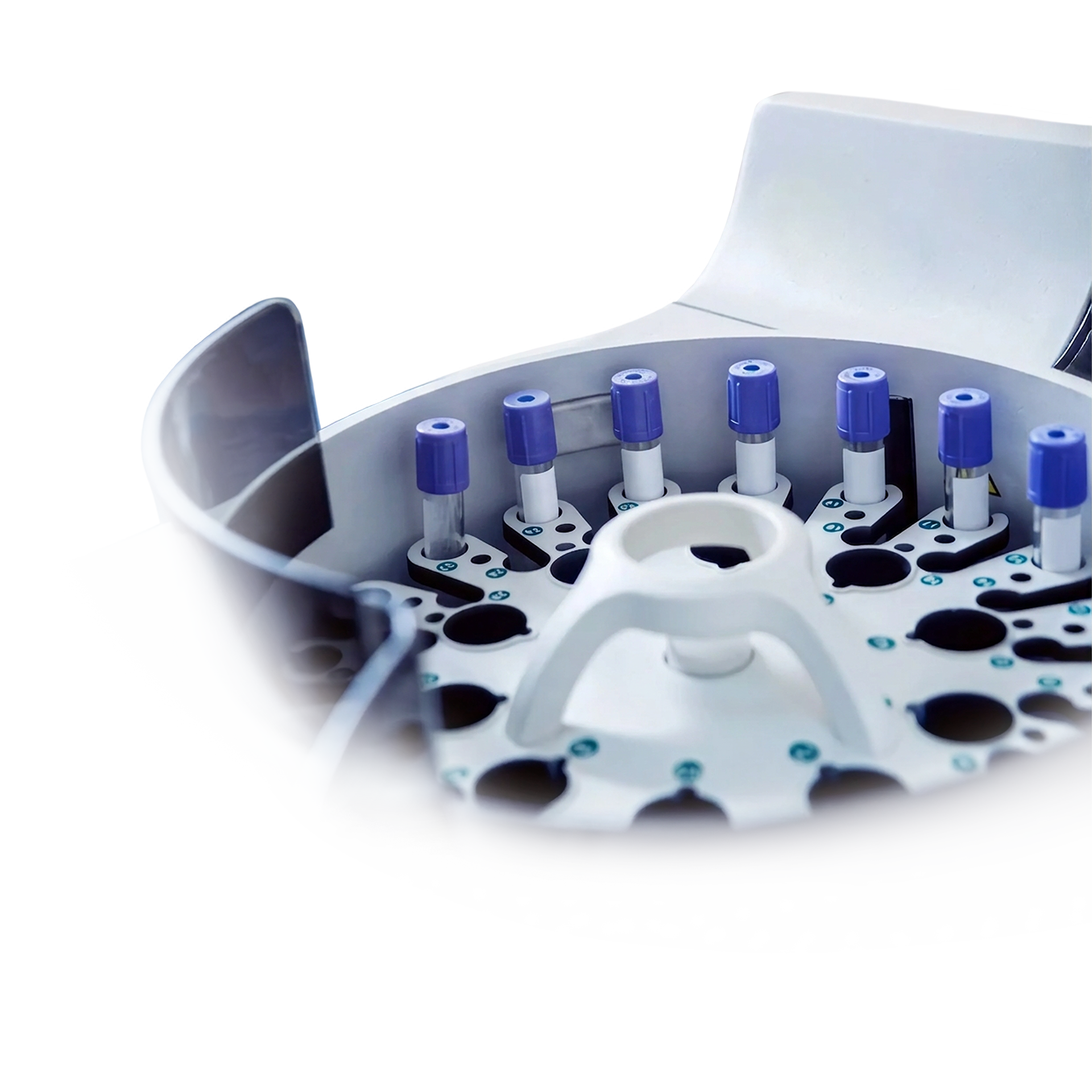
Blood lab diagnostics machine
Our client was developing an innovative medical diagnostics machine for blood sample analysis. To ensure the project’s success, they entrusted us with the complete development of a cost-effective hemostasis IVD (In Vitro Diagnostic) system.
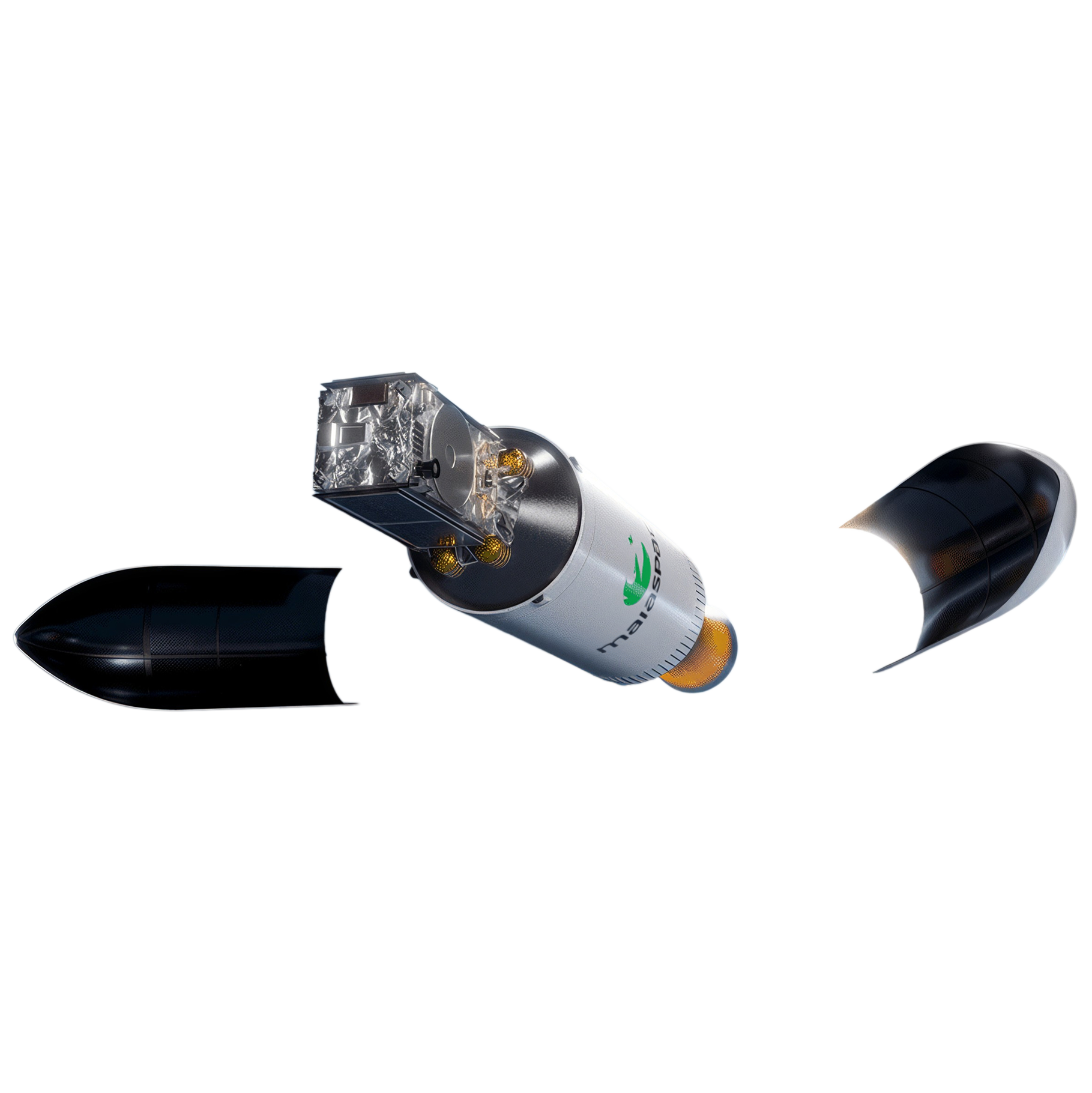
MaiaSpace: Supporting the maneuverability and orbital separation of a launch vehicle
MaiaSpace, a subsidiary of ArianeGroup, is developing a lightweight, partially reusable launch vehicle, with its first flight scheduled for 2026. To increase the orbital injection capacity of its Maia launch vehicle, the company is developing Colibri, an upper stage equipped with gimballed engines to enable in-orbit trajectory corrections.
See what’s happening in high-tech engineering
Talk to us and see what’s possible
Tell us about your product, its current stage, and the challenge ahead. We’ll discuss your priorities and identify where our team can help you take the next step.
"*" indicates required fields
Pre-production FAQs
How do you integrate Design for X (DFX) methodologies during EVT to minimize tooling revisions prior to mold opening?
We integrate DFX from the earliest engineering builds, using EVT to identify and resolve manufacturing risks before tooling begins. Our teams review the design across assembly, manufacturing, testing, serviceability, cost, and supply chain requirements. We assess part geometry, tolerances, materials, joining methods, component accessibility, and production processes. These reviews are supported by prototype builds and supplier input, ensuring that proposed tooling reflects real manufacturing constraints. By feeding EVT findings back into the design, we reduce avoidable tooling revisions, shorten the path to mold opening, and create a product that is ready for efficient, repeatable production.
What Statistical Process Control (SPC) thresholds are mandatory to successfully transition from PVT to Serial Production?
There are no universal SPC thresholds for transitioning from PVT to serial production. Acceptance criteria should be defined in advance based on product requirements, process risk, customer expectations, and applicable regulations. We typically review process stability, control-chart performance, yield, defect rates, and capability indices such as Cp/Cpk or Pp/Ppk. Any out-of-control conditions, critical defects, or unresolved variation must be addressed before approval. The final criteria are documented in the control plan and approved with the customer and manufacturing partner.
How does your PLM architecture ensure full traceability for Engineering Change Orders (ECOs) during pilot runs without delaying the NPI schedule?
Our PLM architecture links each Engineering Change Order (ECO) to the affected requirements, parts, drawings, software, test results, and production documentation. A controlled workflow manages impact assessment, approvals, revision history, and implementation status, while maintaining a complete audit trail. During pilot runs, change boards prioritize critical updates and define clear cut-in points, allowing approved changes to be introduced without disrupting ongoing builds. This preserves traceability while keeping the NPI schedule on track.
What advanced mitigation strategies do you deploy to manage electronic component obsolescence during early pre-production sourcing?
We manage obsolescence risk before pre-production through lifecycle screening, supplier intelligence, and proactive component planning. We assess manufacturer roadmaps, PCNs, lead times, and availability, while qualifying approved alternates and second sources wherever possible. High-risk components are flagged in the BOM and linked to mitigation actions, such as redesign, form-fit-function substitutions, strategic purchasing, or last-time buys. These decisions are validated through engineering, compliance, and production testing to protect the NPI schedule and long-term product continuity.