Smart Grids and Energy: Industrializing Power Networks
Tomorrow, every industrial building and every home will be an active participant in the grid. Local solar generation will cover part of its needs. A buffer battery will absorb surplus energy and support peaks in demand. Intelligent thermal management will shift selected uses to another time.
Your equipment will generate data that supports decisions. AI analysis of consumption profiles will help anticipate demand and decide when to use, store or return electricity. For energy companies, the challenge is to make this coordination reliable and deployable.
At Kickmaker, we design the sensors, embedded controllers and communication interfaces that connect local generation, storage and energy-use management. We prepare these products for industrialization, moving new energy approaches from demonstrators into buildings and power grids.
The Architecture of an Intelligent Power Grid
An intelligent grid connects distributed energy resources, measurement and control. A meter reports the state; a controller compares it with constraints; storage or a flexible load acts locally. DERMS-type coordination can manage many assets, but it depends on the identity, timing, availability and cybersecurity of each device at the grid edge.
That architecture can support self-consumption, peak shifting or local flexibility, but each outcome needs a measurable baseline and clear control authority. We identify which functions belong at the grid edge and which can be managed centrally, so the product remains useful even when the wider platform is unavailable.

Hardware Components: IoT, Meters and Embedded Systems
We define the interfaces among sensors, smart meters, gateways and embedded systems. Depending on the project, a battery management system (BMS), bidirectional converter or local controller may coordinate storage and power flow. Hardware and firmware must preserve safe states when a signal, network link or upstream service fails.
Where interoperability requires it, IEC 61850-7-420 can inform the information model for distributed energy resources. OpenADR may be relevant to demand-response exchanges. Neither standard replaces a project-specific architecture, interface test or cybersecurity assessment.
Measurement integrity is just as important as connectivity. We consider sensor drift, calibration access and time synchronization so decisions made from field data can be explained and checked.
Smart Buildings and Energy Efficiency
The smart building is becoming an active grid participant. Submetering reveals consumption by use; local solar and storage alter when power is drawn; building-management controls adjust heating, cooling and ventilation without compromising occupancy needs. AI-assisted consumption analysis can identify patterns, provided the data is accurate and the operator retains control of the decision.
We design the physical and software boundaries of these systems, including sensing accuracy, fallback behavior and service access. Demand-response interfaces such as OpenADR are assessed when they match the ecosystem and market.



Industrial Applications in the Energy Sector
These engineering disciplines serve grid-edge monitoring, energy distribution, local storage and smart-building equipment. Their common test is practical: the installation must provide measurable performance over time and remain understandable to the people who operate it.
These applications share a business requirement: an installation should deliver evidence of performance over time, not just an impressive pilot. Diagnostics, service data and a controlled hardware revision path help operators assess value across a growing fleet.
Project References and Use Cases
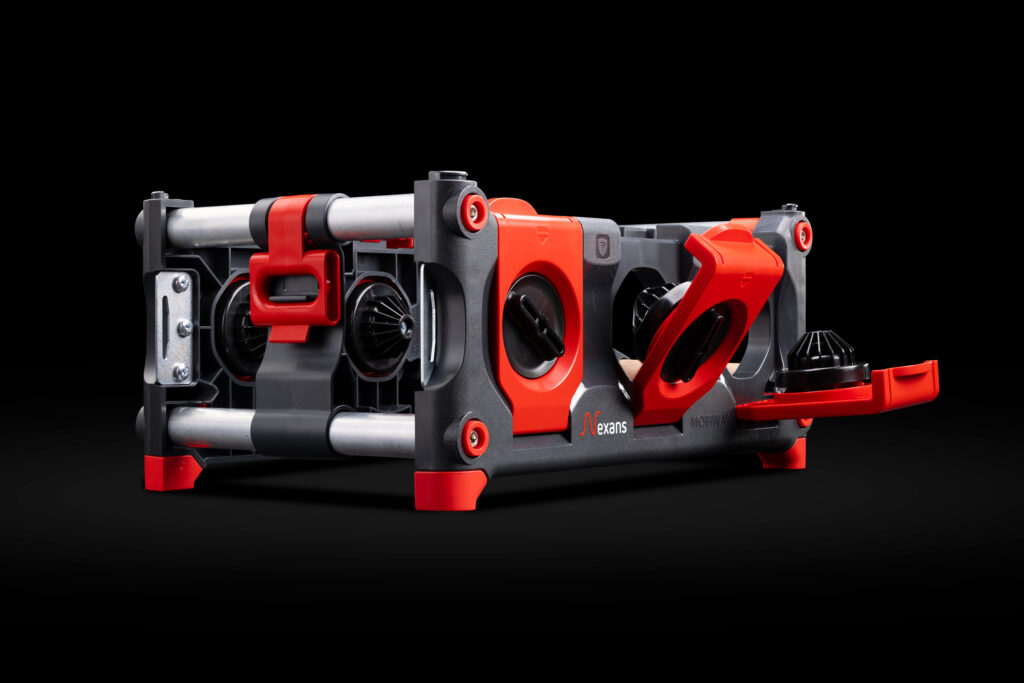
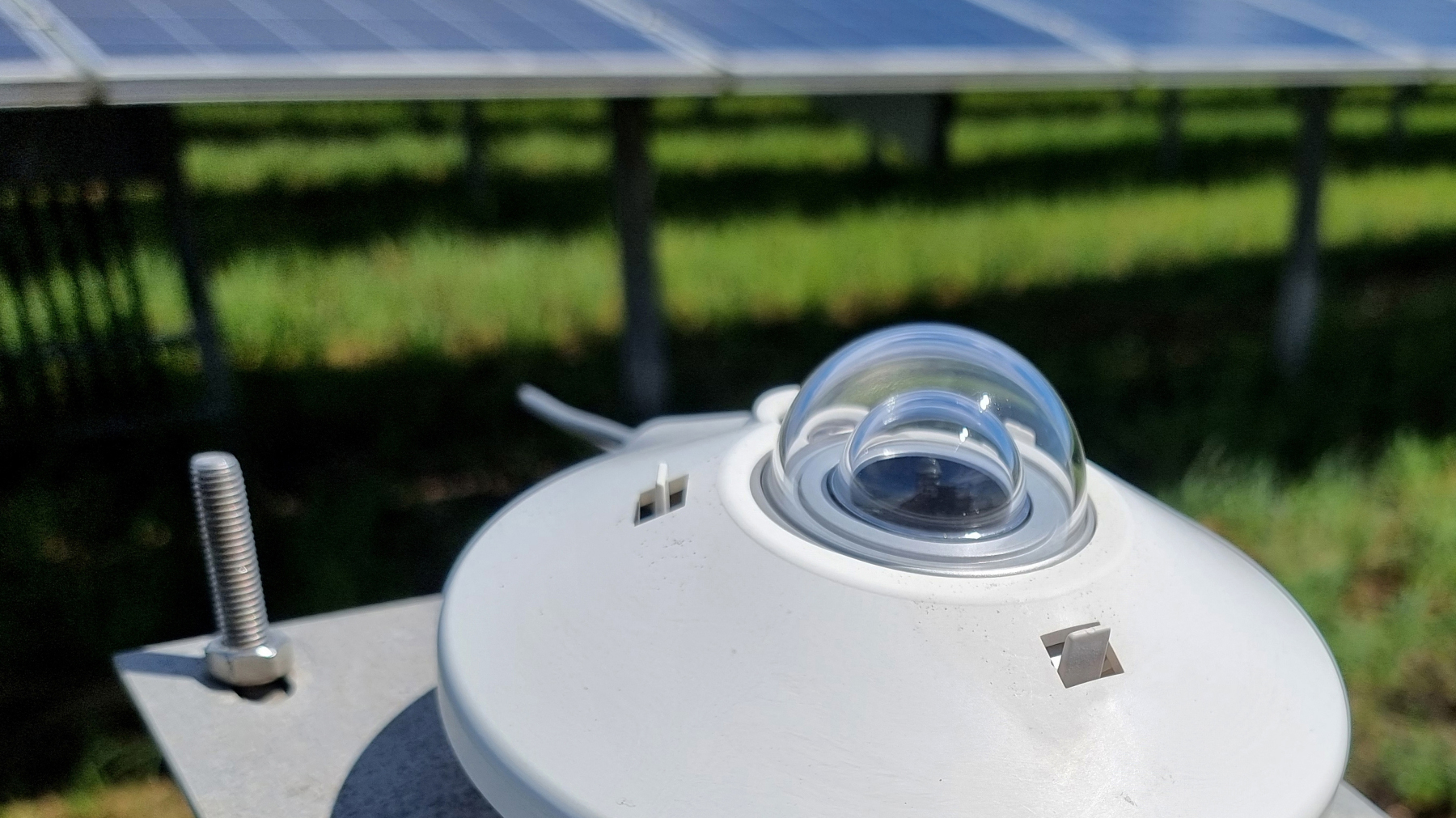
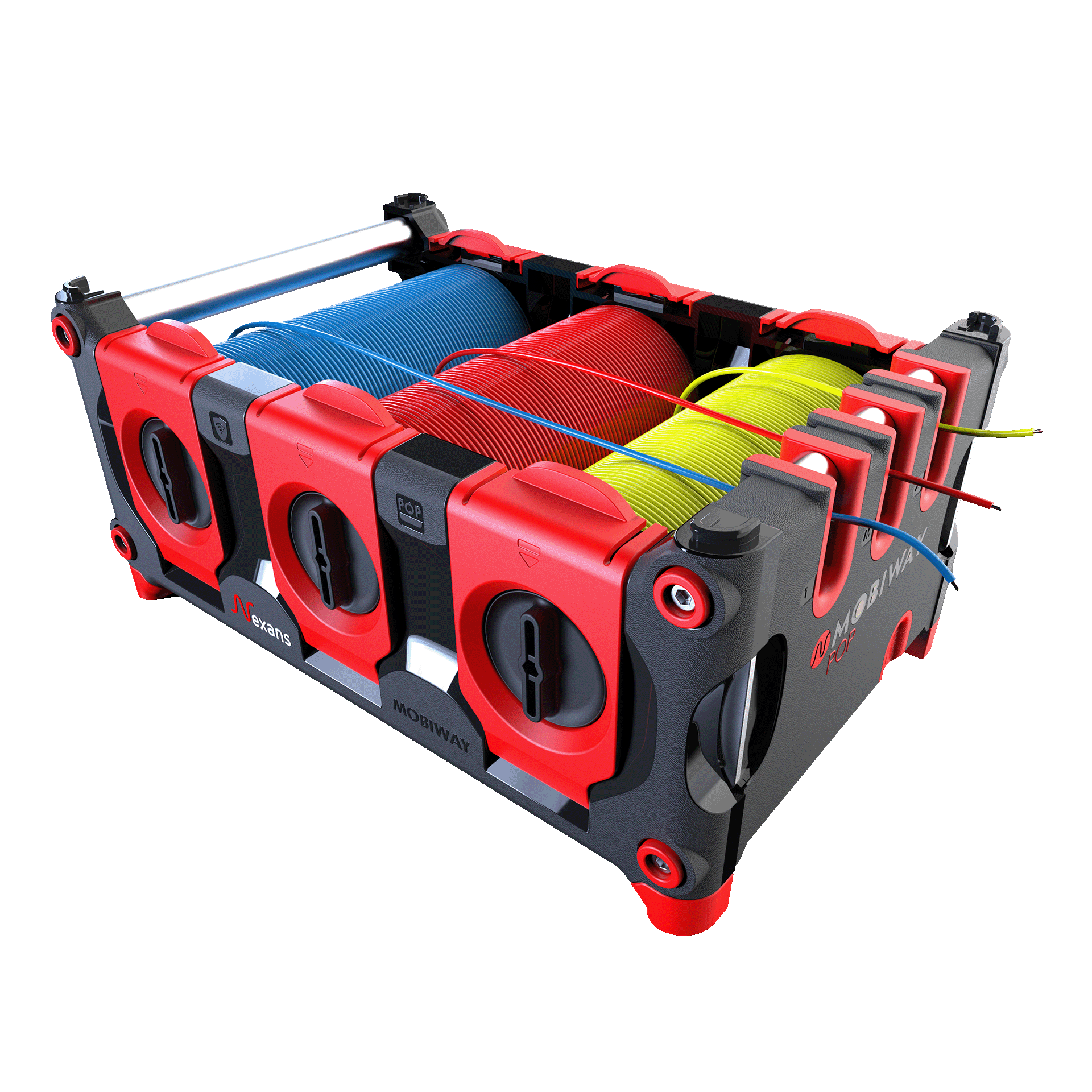
With Nexans, Kickmaker contributed to Mobiway POP Connect, a connected product that makes used and remaining cable length visible to installers through embedded electronics, connectivity and a mobile app. With AREP and SNCF, the SOLVEIG prototype explores temporary photovoltaic deployment on railway land, combining mechanics, solar generation, storage and data reporting. Other references for this sector include Quanta, Framatome and Engie; their project scopes are not detailed here.

Nexans: A smart tool to optimize on-site cable management
To bring this ambition to life, Nexans chose to rely on Kickmaker to develop a comprehensive solution integrating hardware and a mobile application, from proof of concept through to mass production.
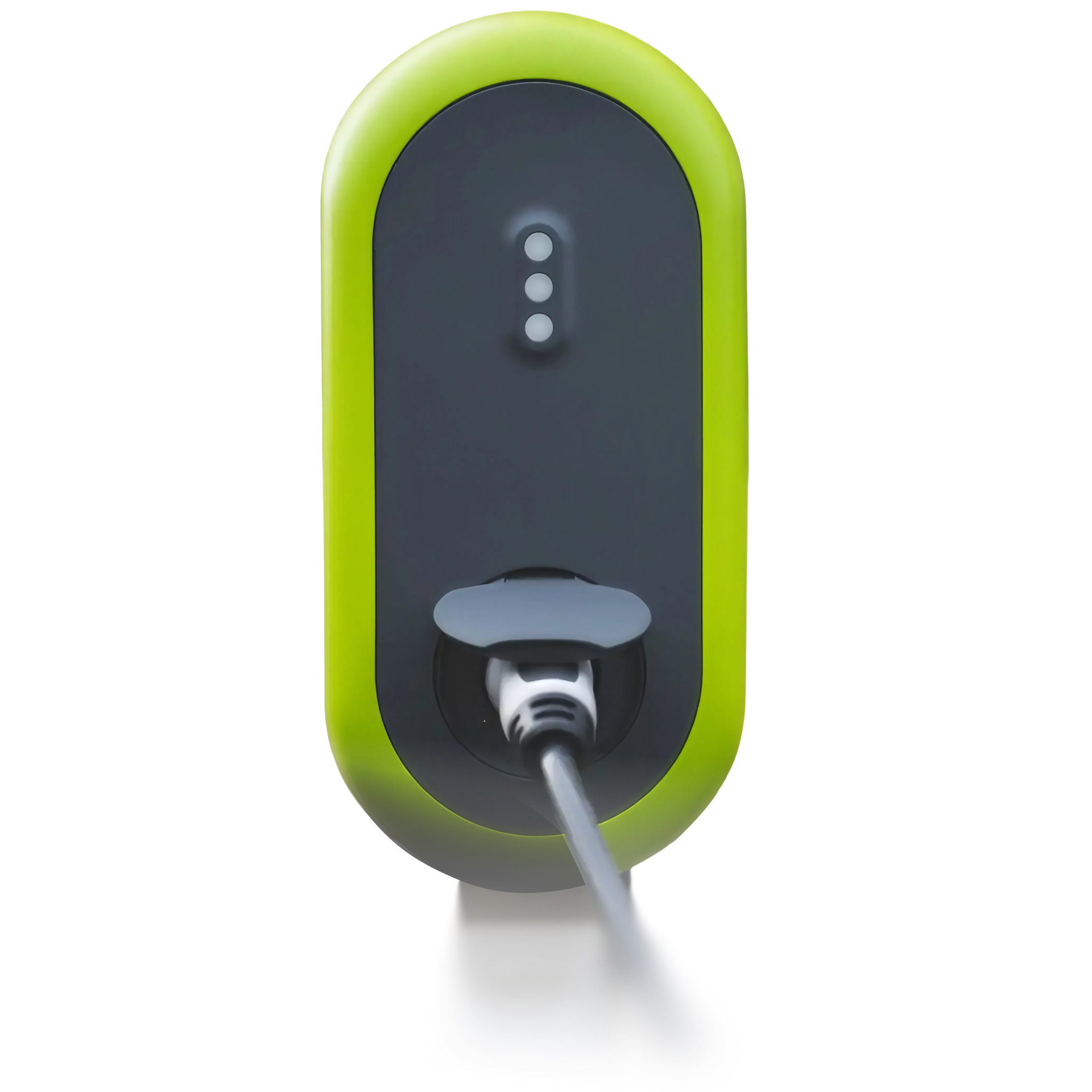
Full industrialization of an EV charger
Valeo specializes in cutting-edge solutions for intelligent mobility, autonomous vehicles, and reducing CO2 emissions. We collaborated with Valeo to design and industrialize an electric vehicle charging station, focusing on creating an affordable solution for mass production.
The engineering disciplines behind every Kickmaker build
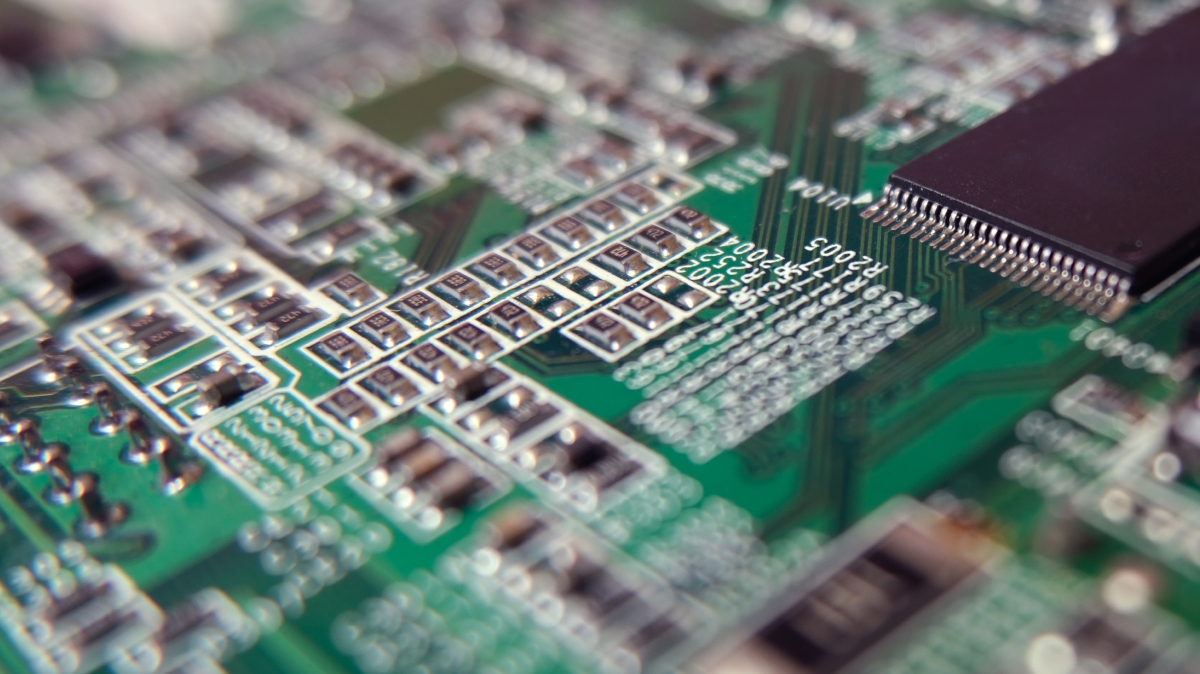
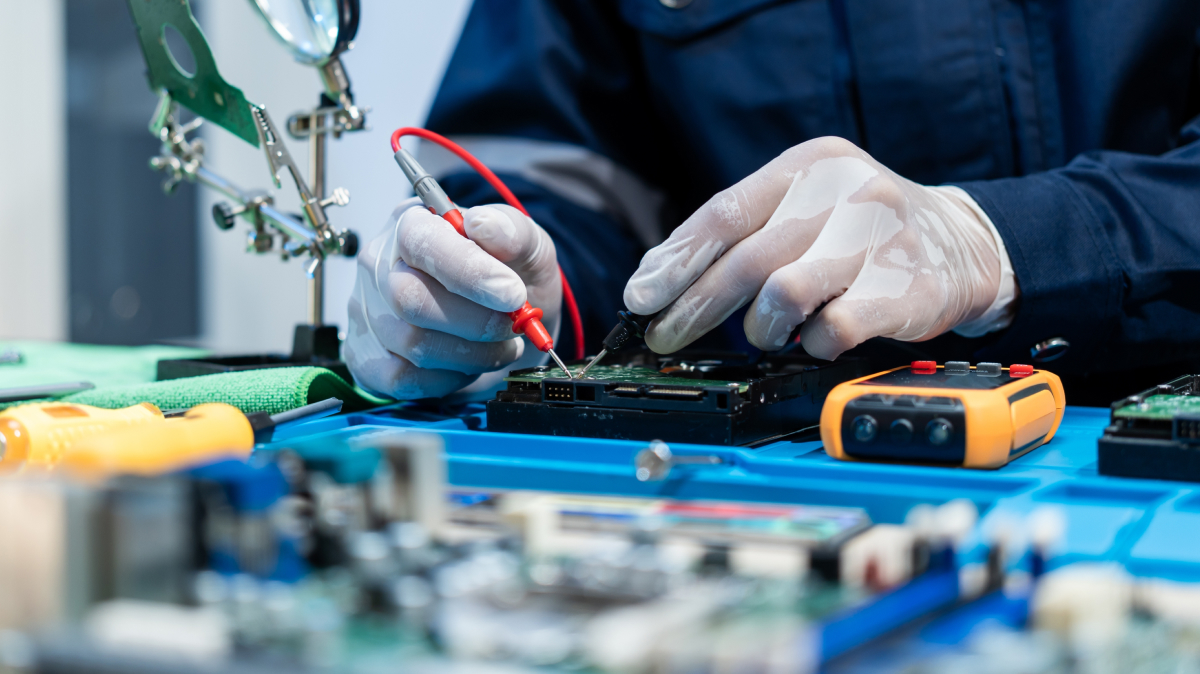
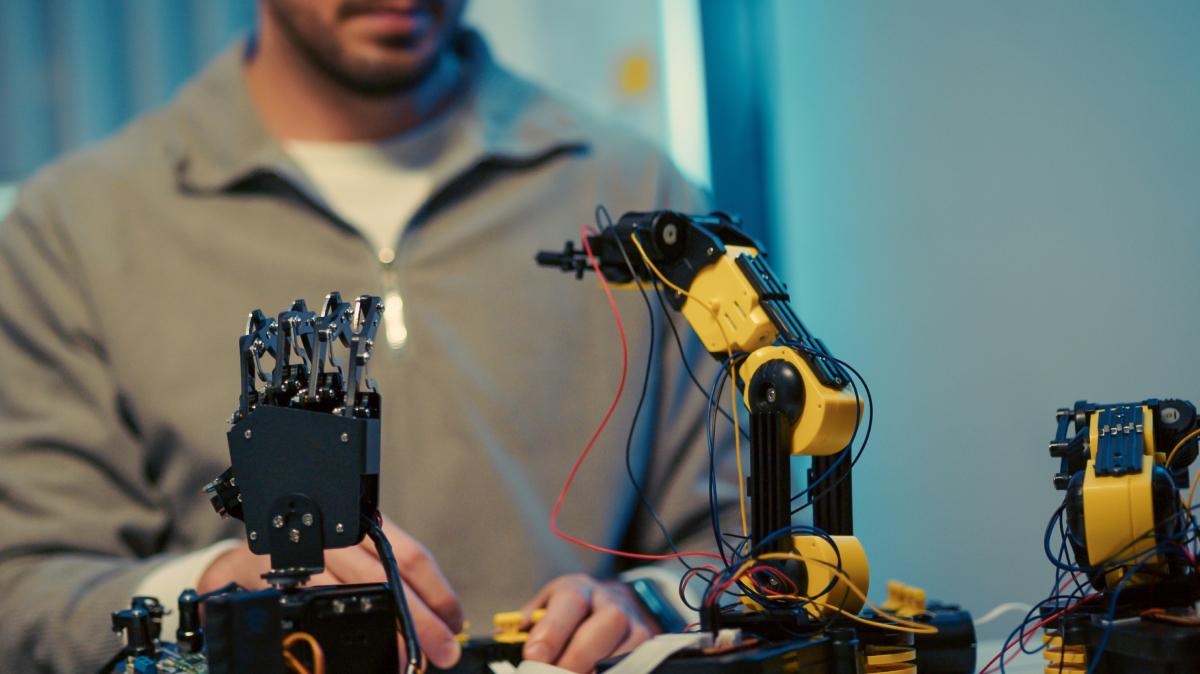
Product performance depends on how its parts work together. Heat from a circuit board, for example, affects enclosure design and firmware power management. Our engineers test these interactions on prototypes to help your team choose the next design step. Explore our hardware product development expertise:




Discuss Your Energy Product
How does a smart grid work in practice?
It couples measured demand and distributed generation with rules for storage and flexible loads. Latency, data quality and fallback behavior determine whether that control is useful and safe.
What can smart grids deliver for industrial operators?
They reveal peaks, losses and asset availability. Performance gains should then be measured against a baseline, not inferred from the presence of connected devices.
How is an energy IoT device industrialized?
Define calibration, device identity, secure updates, configuration control and end-of-line tests before scale-up so each installed unit produces trustworthy data.
Talk to us and see what’s possible
Tell us about your product, its current stage, and the challenge ahead. We’ll discuss your priorities and identify where our team can help you take the next step.
"*" indicates required fields