Luxury Product Design & Engineering Services
In a luxury product, technical performance must preserve creative intent. Material, touch, movement and finish create an uncompromising experience. Engineering must make that experience repeatable without making the object ordinary or exposing the technology behind it.
A discreet and reliable partner, Kickmaker works with program leaders and product designers to turn their ambitions into a product definition while your intellectual property remains yours. Our engineers connect mechanics, electronics, embedded software, quality and production through secure processes and rigorous IP management. From concept to industrial scale-up, we turn ideas into exceptional products. Jewelry, leather goods, luggage, fragrance and cosmetics, homewares, lifestyle accessories, processes and special machinery: we help bring your most ambitious projects to life with French technological expertise and know-how.
Elevating Brand Heritage Through Precision Engineering
Brand heritage is expressed in details. A new material, a connected function or an unfamiliar process should expand the creative language without making the object feel technical. We work with design and engineering teams to understand these nontechnical constraints before proposing an architecture.

Concept Idea & Exploration for High-End Markets
Early exploration tests what the customer will see, touch and hear. We can characterize a mechanism’s sound, resistance or motion and compare design options against a reference experience. The same disciplined experimentation helps a house explore new categories or a fast-moving market without committing to a full production route too early.
Connected luxury should remain discreet. Depending on the concept, skin-sensing interfaces, personalized cosmetics or programmable fragrance delivery can extend the experience. Electronics, battery, radio, data access and updates are placed behind the material and gesture, with the house’s design codes setting the visible behavior.
Material Sourcing & Advanced Prototyping
Material sourcing must protect look and feel at production scale. Leather, metal, glass and new textiles require different controls for texture, color, aging and finish. Fermentation-derived fibers, 3D weaving or shape-programmable textiles may be explored where they serve a defined design intention, supplier capability and quality plan.
Advanced prototyping may combine precision machining, soft tooling and additive manufacturing. For a watch component, a printed-metal sample still needs assessment of porosity, tolerances, finish and water tightness. A digital twin of a leather hide can help plan cutting, but physical inspection and the house’s acceptance criteria remain decisive.



Multi-Disciplinary Expertise Tailored to the Premium Sector
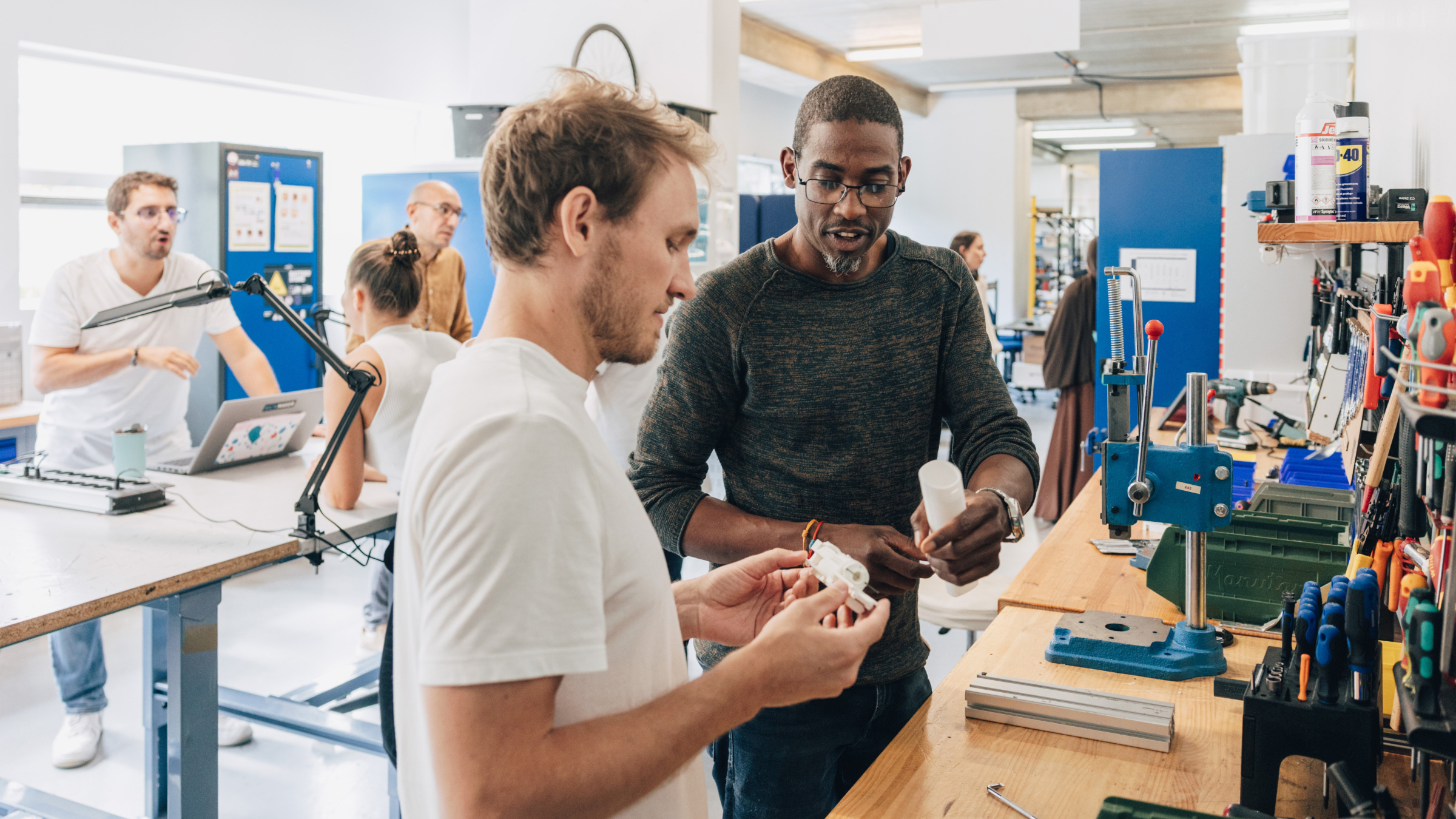
Kickmaker brings mechanical, electronic, embedded-software, test and industrialization expertise to the same product. This matters when a discreet connected feature affects radio performance through a metal housing, or when a luxurious surface complicates assembly and repair.
Cost matters even in premium markets. BOM optimization, strategic sourcing and supplier-quality planning can protect margin while preserving a defined material, finish and experience. This is where cross-industry engineering methods can help a luxury team test an unconventional technology without compromising its brand codes.
A digital product passport, NFC or DataMatrix identity may support traceability, repair and resale when the service model calls for it. Refillable fragrance packaging and modular electronics are other ways to extend use. Each option must earn its place through the design experience, production feasibility and the house’s data policy.

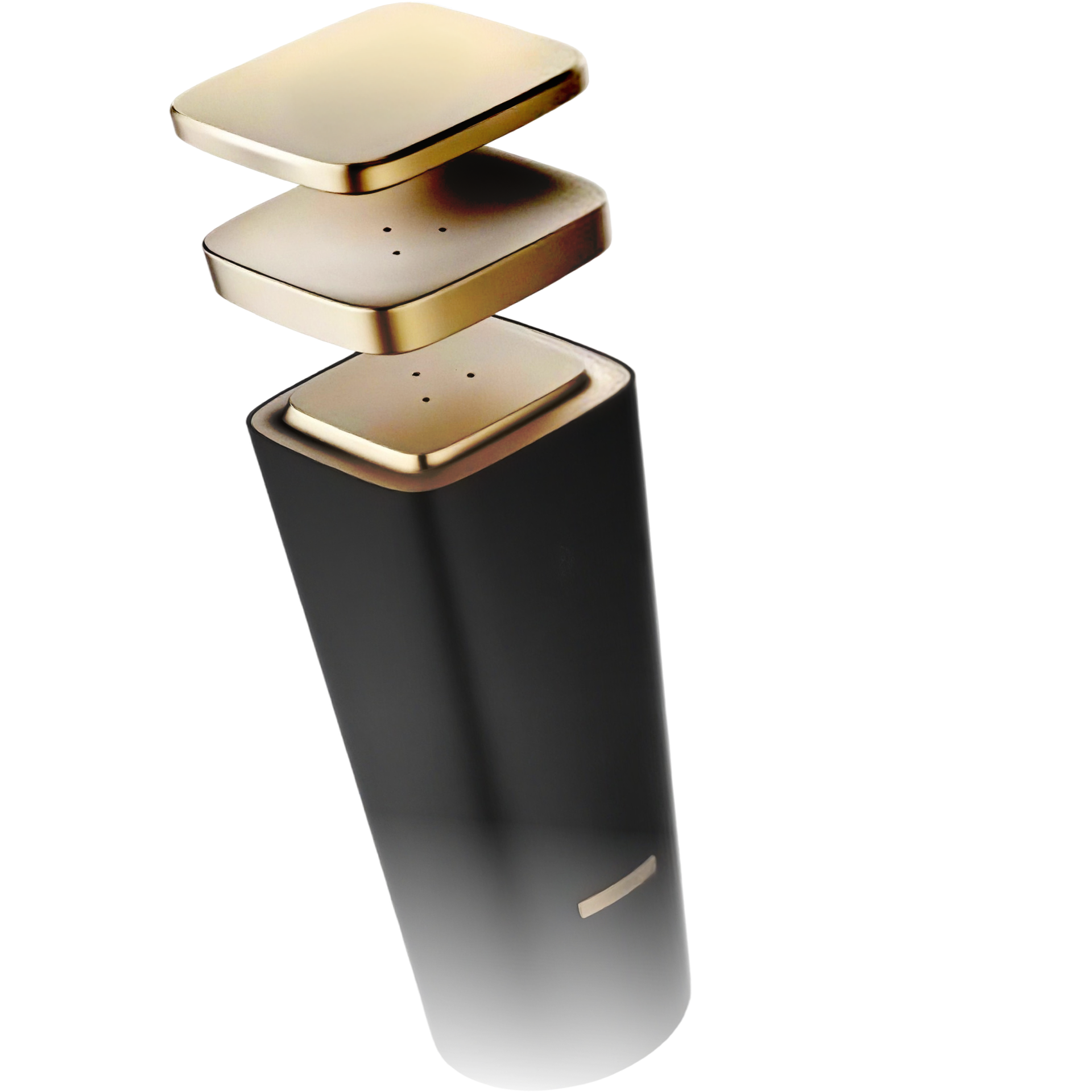
L’Oréal Perso: Redesign and industrialization
With this project, L’Oréal is taking a major step forward in the consumer electronics space by developing Perso, an innovative device enabling advanced makeup personalization. Kickmaker’s teams provided their technical expertise to support its development.
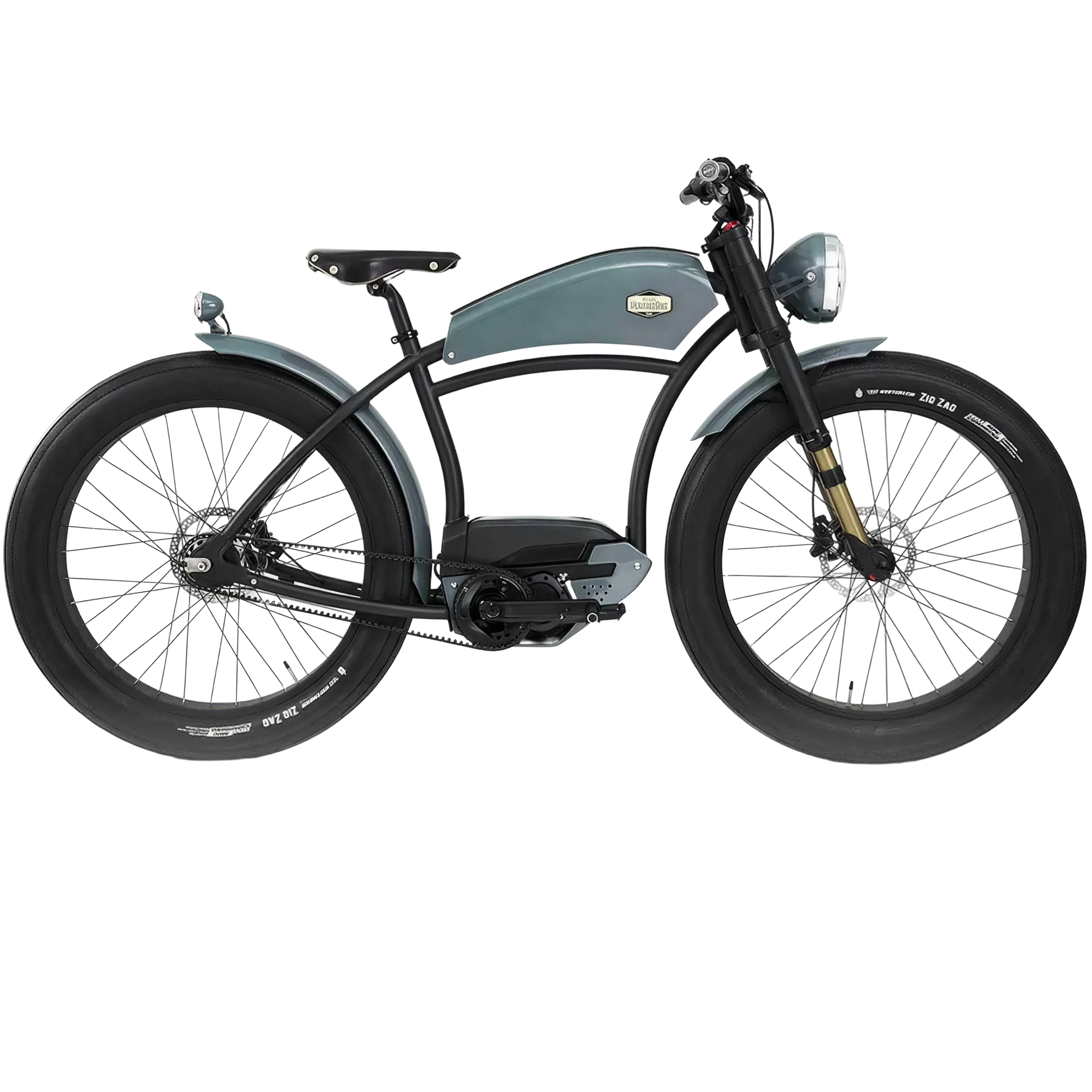
Heritage bike: support in the production
Atelier Heritage Bike is redefining electric mobility through craftsmanship and elegance. To support their vision of French luxury, Kickmaker partnered with the brand to guide the industrialization and production of their high-end bikes ensuring quality, precision, and cost control.
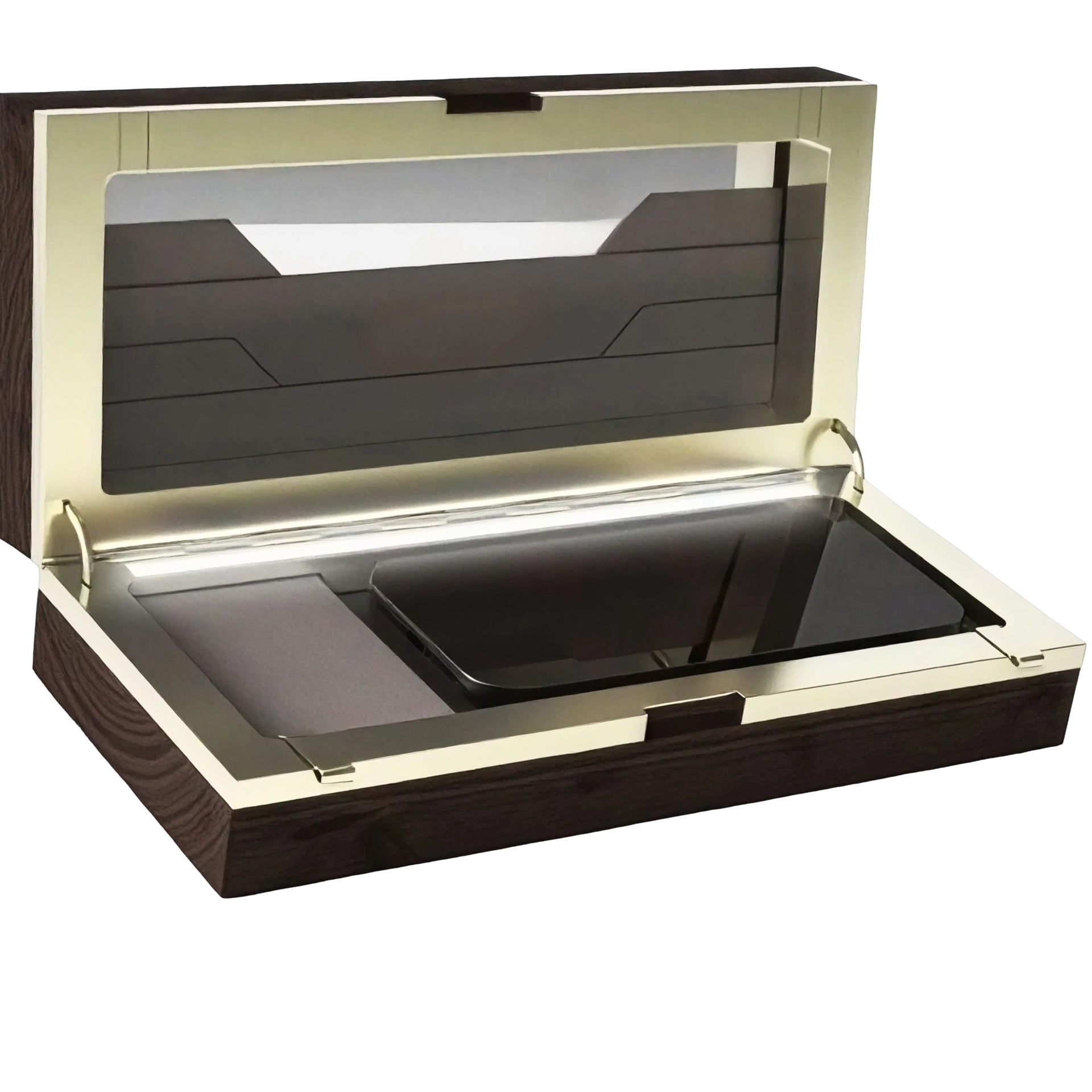
Clutch: design of a connected wooden bag
This project was carried out for a client looking to develop a luxury wooden handbag integrating advanced electronic features. Kickmaker’s teams supported the design of this unique product, combining craftsmanship and technology.
The engineering disciplines behind every Kickmaker build
Product performance depends on how its parts work together. Heat from a circuit board, for example, affects enclosure design and firmware power management. Our engineers test these interactions on prototypes to help your team choose the next design step. Explore our hardware product development expertise:


Expert Insights: Luxury Product Industrialization FAQ
How can engineering respect a subjective design?
By agreeing on reference samples, testing the sensations that matter and using measurements to make decisions more objective—not to replace creative judgment.
Can a new material move directly from a beautiful sample to production?
Rarely. Supplier capability, aging, finishing variation and assembly behavior should be tested on representative parts.
How can connected functions remain invisible?
By defining the desired gesture first, then placing electronics, feedback and maintenance around the object’s form and the brand’s codes.
What protects exclusivity during scale-up?
Controlled variants, approved suppliers, confidential design records and clear quality gates help keep each produced unit faithful to the original intent.
Talk to us and see what’s possible
Tell us about your product, its current stage, and the challenge ahead. We’ll discuss your priorities and identify where our team can help you take the next step.
"*" indicates required fields