Food Technology Engineering & Industrialization Services
Information moves with the raw material. From the robotized farm to the food factory, a more autonomous chain is taking shape: one that adapts to the variability of living products without losing control of the finished product. In the field, a robot observes crops and acts plant by plant. In the factory, AI-assisted optical sorting assesses the harvest; adaptive control adjusts flows, processing and packaging.
This transformation advances one machine at a time. Kickmaker develops the building blocks with you: agricultural robots, gripping systems, transfer equipment or inline inspection, according to your needs. Each technological step must work under today’s conditions and be ready to integrate into more automated production. From field to packaging, we bring together robotics, industrial reliability and consideration of food-safety requirements.
Scaling Hardware & Automation for the Food & Beverage Sector
Agritech starts with a machine that remains reliable in soil, dust, rain and changing terrain. Foodtech adds product variability, hygiene and traceability. Across both, texture, temperature, moisture and format affect how a system detects, conveys, grips or transforms material. We define the architecture against those real operating conditions.
The industrial value is measured in usable output, not theoretical speed. A faster cycle is less valuable if it damages product or adds unplanned sanitation time. We consider yield, changeover, cleaning and maintenance together when selecting automation.

IoT Connectivity & Predictive Maintenance Integration
Field and line sensors can measure temperature, pressure, flow, vibration and motor current. Edge processing can reveal a drift without waiting for a cloud round trip; predictive maintenance becomes credible only when the signal is connected to a known failure mode and a practical intervention.
Computer vision and spectral imaging can support crop assessment, optical sorting and inline quality checks. We test lighting, contamination, product variation and model drift before a measurement is allowed to control rejection, grading or a process adjustment.
Clean-In-Place (CIP) & FDA-Compliant Hardware Design
Clean-in-place (CIP) begins with hygienic geometry. Dead zones, joints, surface finish, drainability and access determine whether a processing machine can be cleaned repeatably. Sensors can monitor cycle conditions, but a reported value does not on its own prove the equipment is clean.
Food-contact materials, cleaning agents and process temperatures are assessed for the actual product and market. FDA requirements matter when equipment is intended for the US market. European food-contact and machinery requirements are evaluated separately for European deployment, with responsibilities agreed for the machine and the production line.


Core Expertise in Special Machinery & Robotics
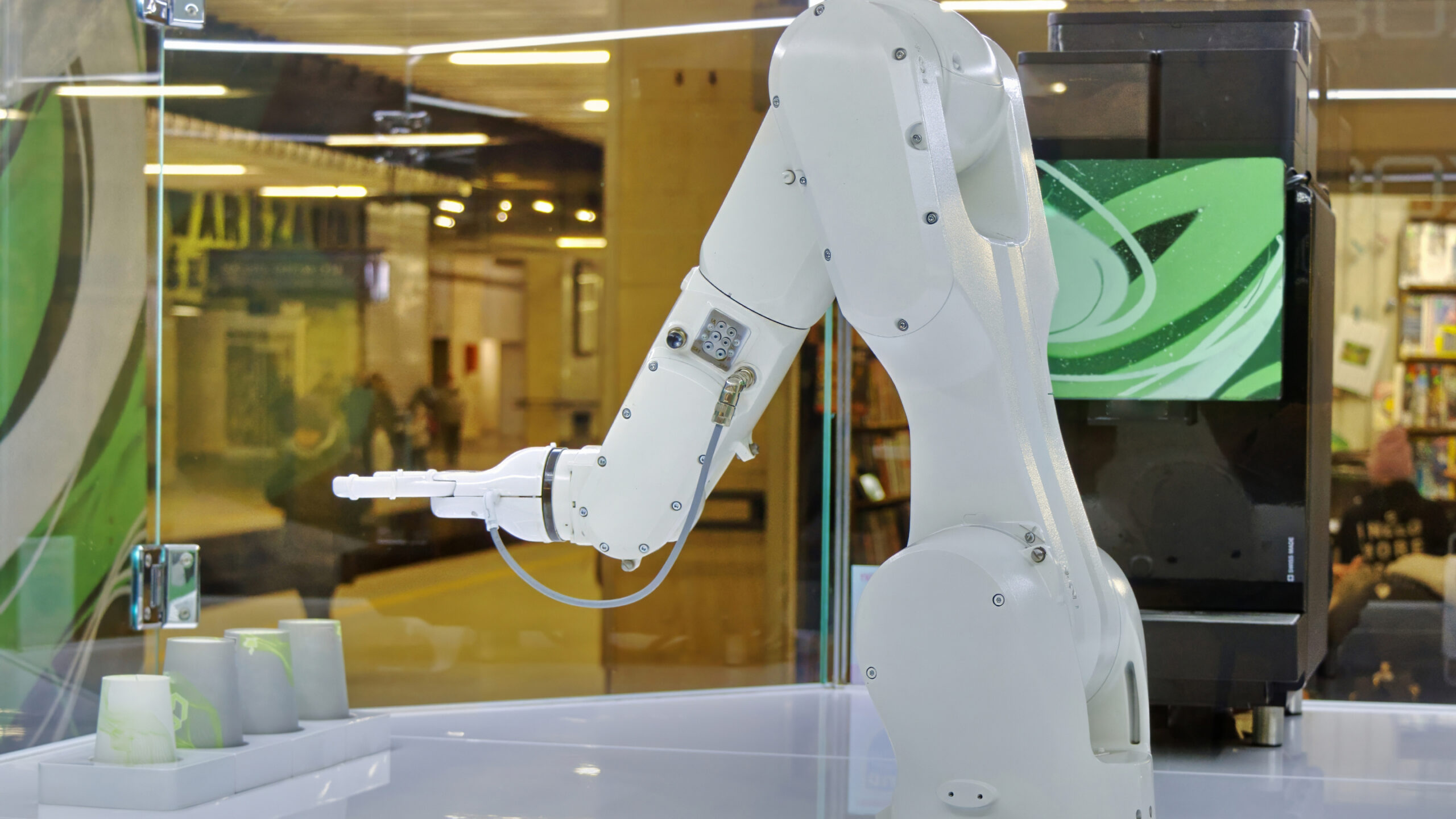
Special machinery can combine precise dosing, flexible conveyance, robotic handling and inline inspection. In Agritech, 3D vision and force control can guide a field robot around variable plants. In Foodtech, soft grippers, adaptive control and optical sorting can handle delicate products while recording the quality decision.
Traceability is designed around decisions too. Batch identity, process settings and inspection results should be related in a way operators can use to investigate a deviation. Smart packaging or item-level codes are considered when they serve that process and the product’s economics.

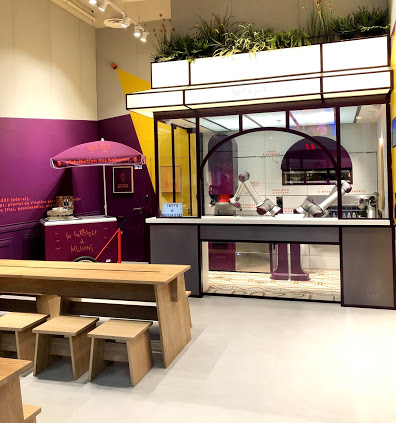
First automated pizza-making store
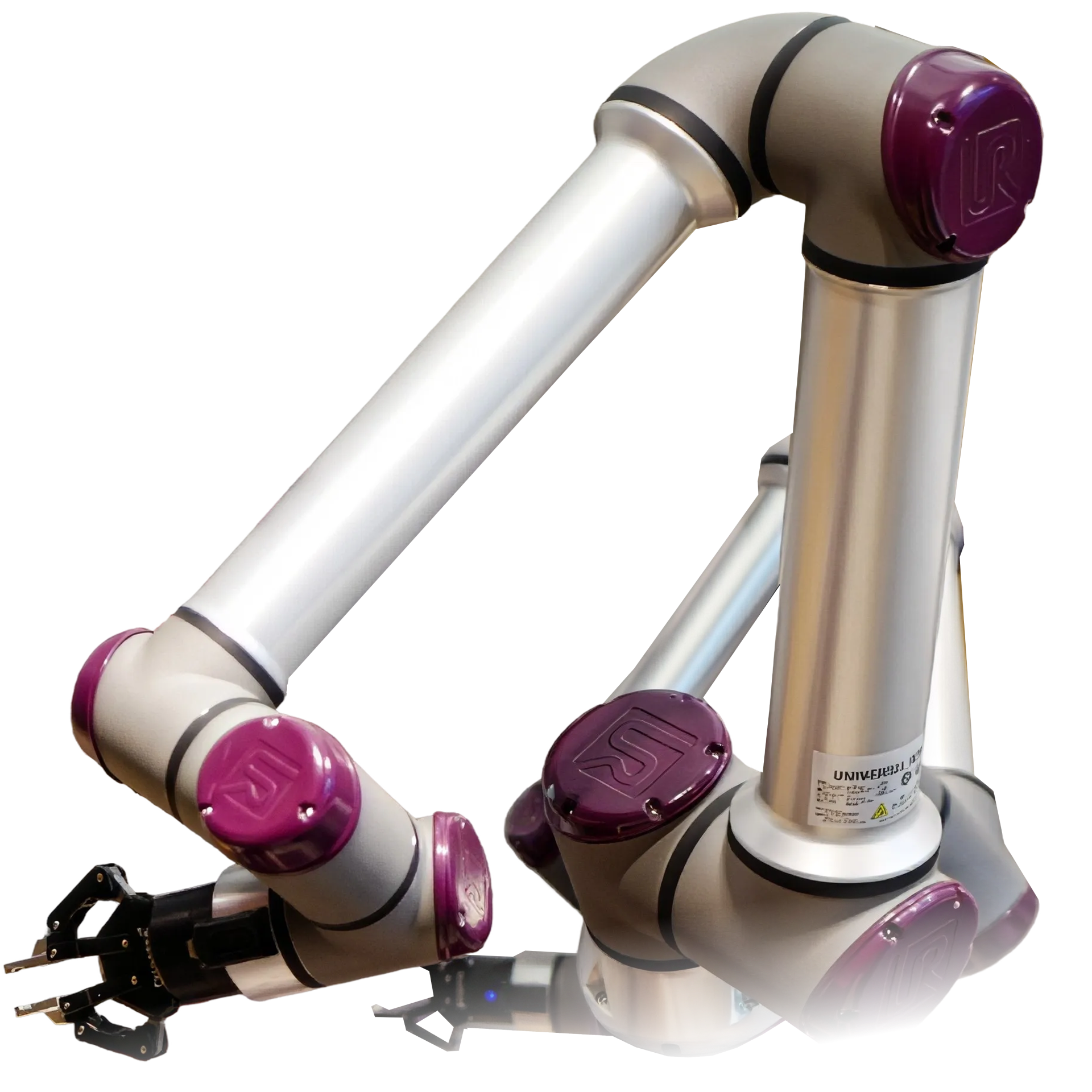
Pazzi Robotics transformed the fast-food industry with their pizza robot by creating the first fully autonomous restaurant. Kickmaker developed a scalable prototype of a cloud-connected, machine-learning platform featuring robots and robotic modules, allowing the restaurant to operate independently.
LeChiller®: redesign & sourcing
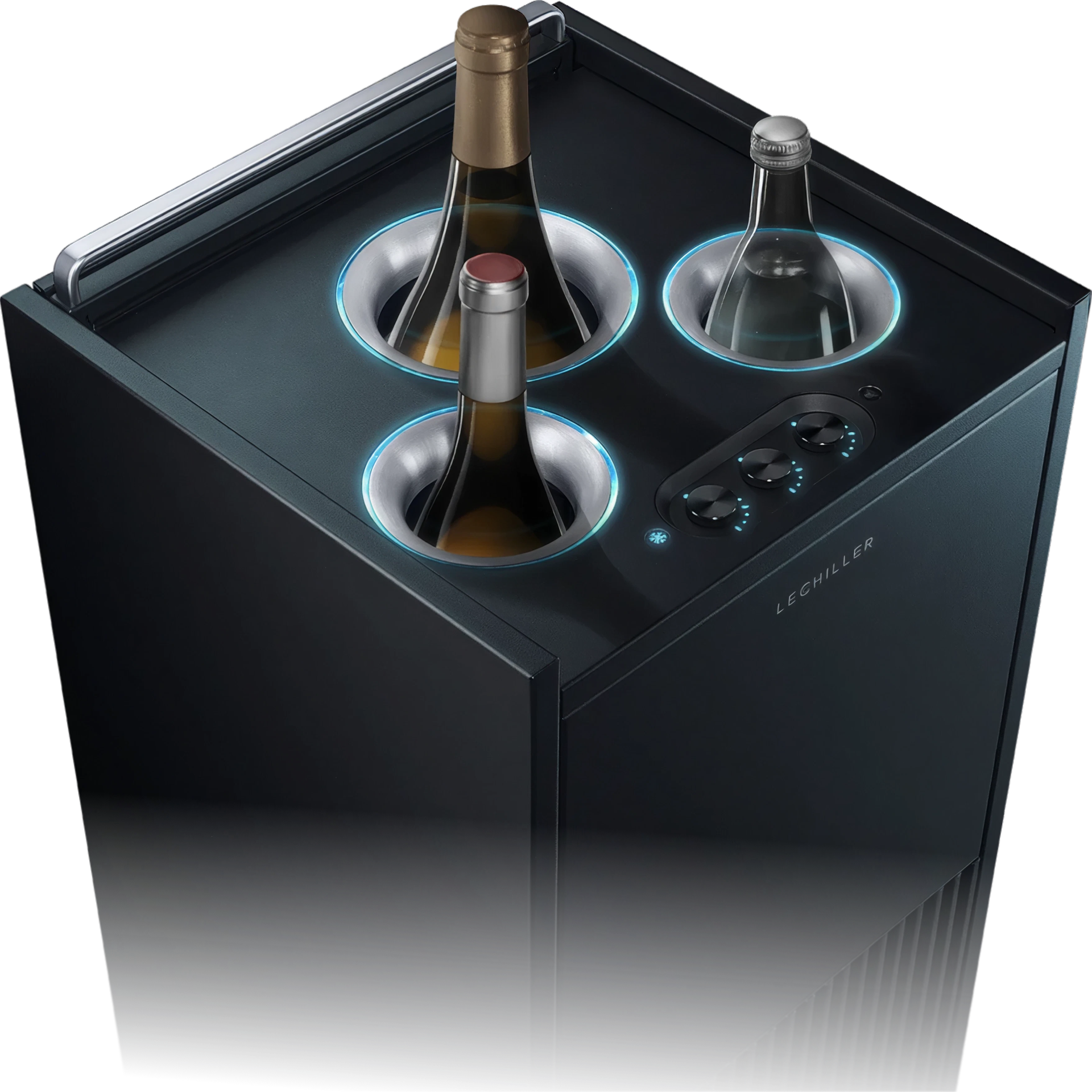
With this redesign and sourcing project, LeChiller® rethought its refrigeration system to deliver a more high-performance, industrial-ready solution. Kickmaker’s teams provided technical support throughout the project.
The engineering disciplines behind every Kickmaker build
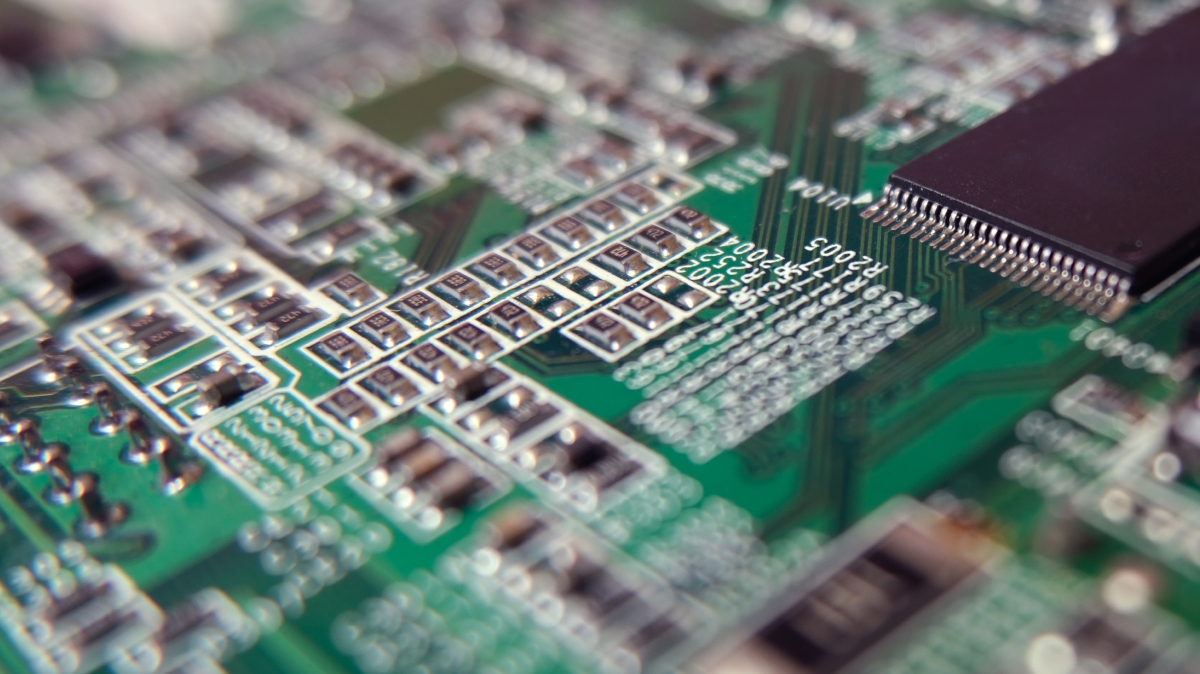
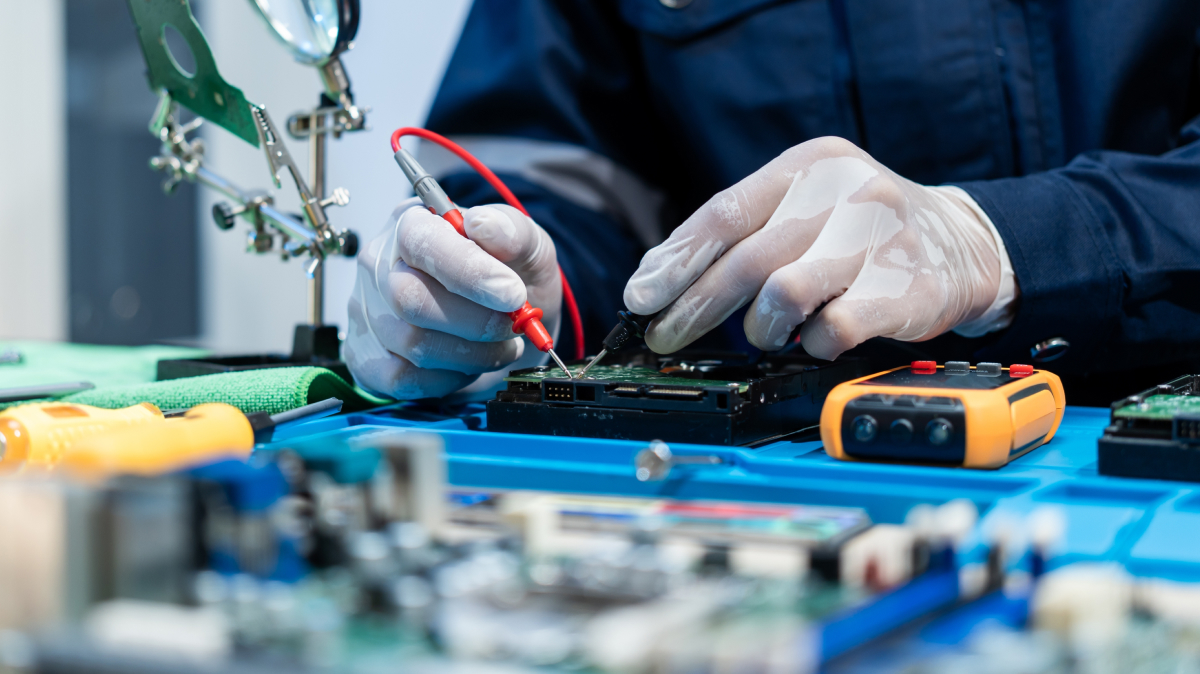
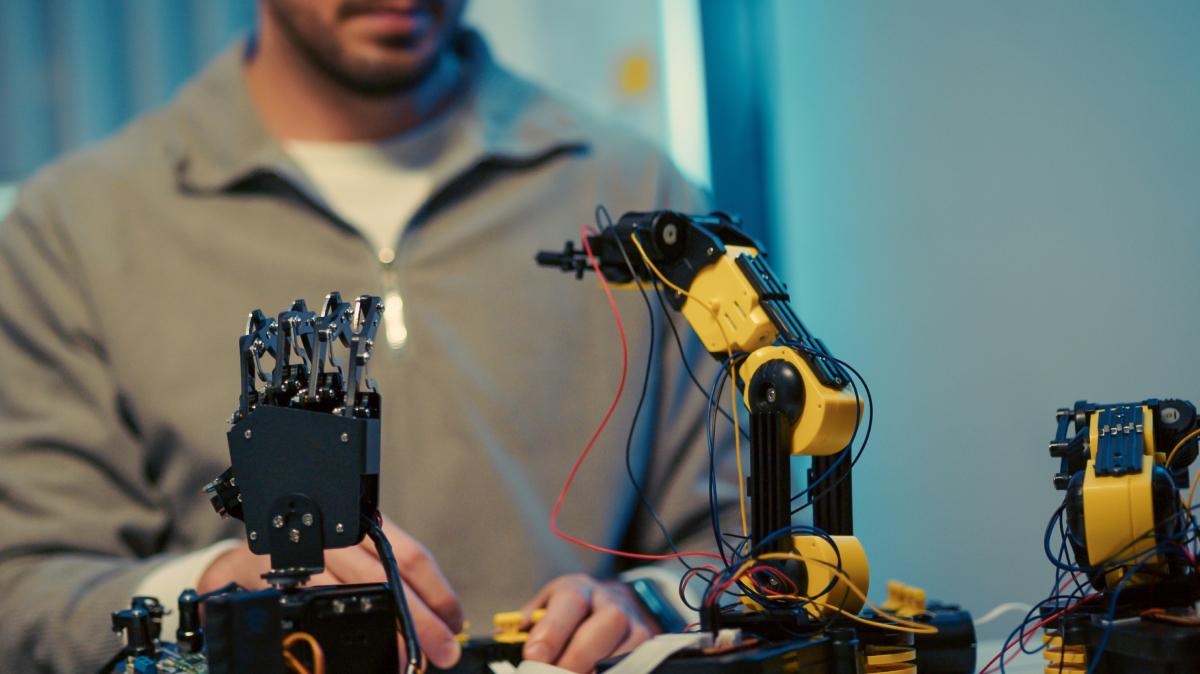
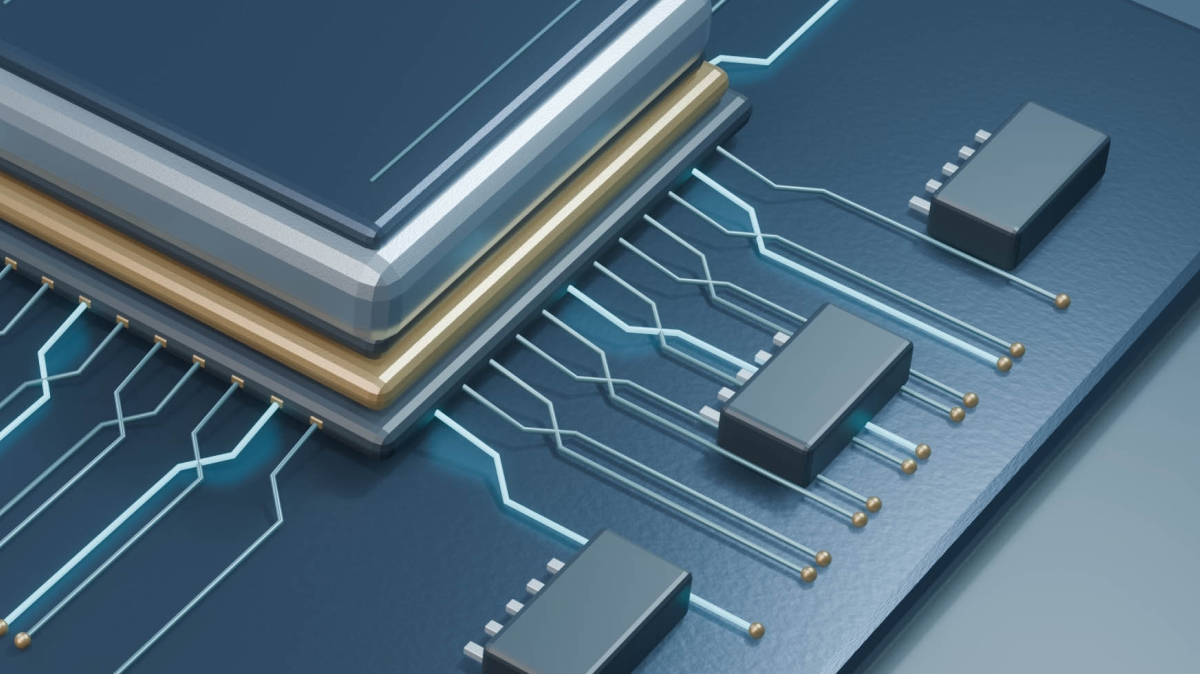
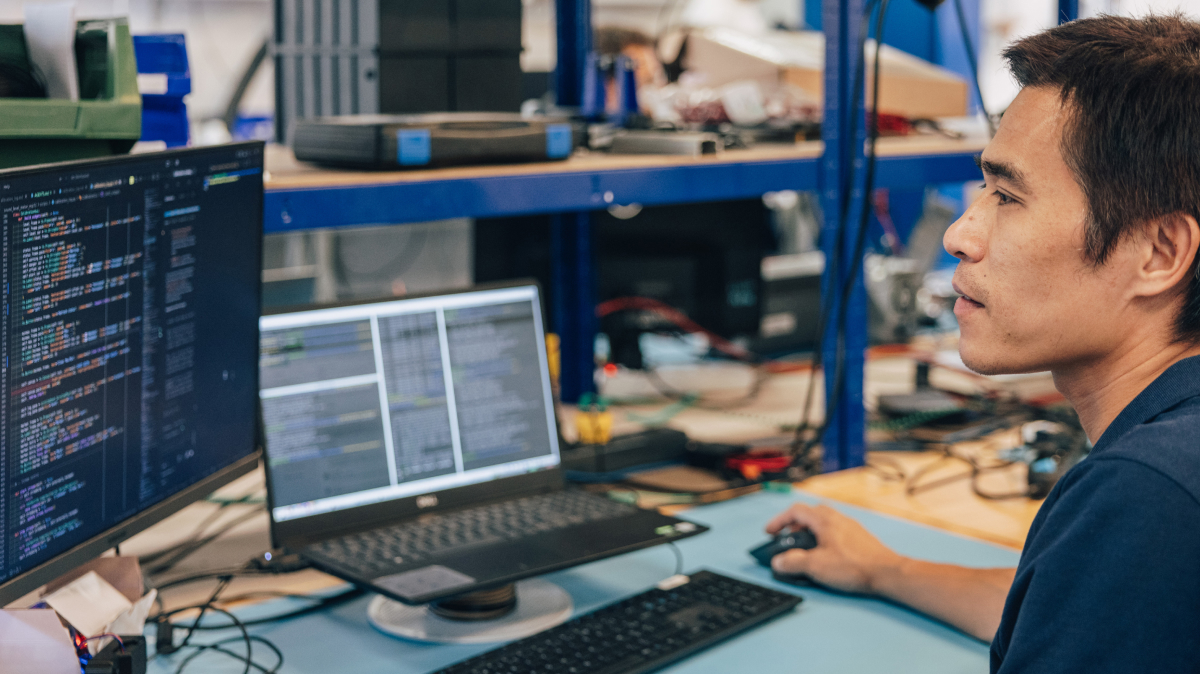
Product performance depends on how its parts work together. Heat from a circuit board, for example, affects enclosure design and firmware power management. Our engineers test these interactions on prototypes to help your team choose the next design step. Explore our hardware product development expertise:


Advanced Technical FAQ (Food Tech Manufacturing)
What makes an agricultural robot ready for real operation?
Reliability across terrain, weather, dust and crop variability, supported by serviceable hardware and measured field tests. For a processing machine, hygiene must be designed from the first mechanical layout: a late CIP requirement can change the geometry, materials and whole line layout.
What separates a pilot from production validation?
A pilot explores process feasibility. Production validation tests the intended configuration, product range, shifts and cleaning cycles against explicit criteria before routine deployment.
Can AI vision replace product-quality controls?
It can support sorting or anomaly detection when representative data, controlled lighting, measured error rates and a fallback decision are in place. It does not remove the need for hygiene, process controls or traceability.
Talk to us and see what’s possible
Tell us about your product, its current stage, and the challenge ahead. We’ll discuss your priorities and identify where our team can help you take the next step.
"*" indicates required fields