Consumer Electronics Product Development & Industrialization
The consumer electronics products that define their era do not ask users to understand the technology. They respond immediately, are easy to set up and find a place in everyday life. Behind that simplicity lie complex decisions about sustainability, cost of goods sold (COGS), battery life, AIoT and embedded AI.
At Kickmaker, we turn those ambitions into products. Our 300 engineers accelerate your time to market, connect the intended user experience to product architecture, then test technical choices against the realities of manufacturing. The aim is to develop a promising innovation quickly into a product that people can use, that manufacturers can produce, and that can evolve.
End-to-End Engineering for Consumer Products
A connected consumer product is an integrated system. Its enclosure changes radio behavior; its power budget constrains processing; its software defines what users can do with the hardware. We bring these interfaces together early, including the AIoT use cases that truly benefit from local intelligence rather than connectivity for its own sake.

Hardware & Electronics Engineering (PCB, RF, IoT)
PCB layout and routing influence signal integrity, antenna clearance, thermal behavior and test access. In compact devices, even a change of enclosure material can detune the radio. Our hardware engineering teams examine these interactions before the industrial design is frozen, then use RF testing on the integrated product to check the real link budget and Wi-Fi/Bluetooth coexistence.
Connectivity follows the use case. Bluetooth Low Energy can simplify commissioning; Matter and Thread can support interoperability in the right ecosystem; UWB or Bluetooth Channel Sounding can enable precise proximity interactions. We assess each option against range, power, coexistence, security, component availability and user effort before making it part of the architecture.
Embedded Software & Firmware Development
Embedded firmware turns an electronic assembly into a predictable product. It manages sensors, sleep and wake states, local feedback and recovery when the network disappears. We define an energy budget, observable device states and failure behavior alongside the ideal user journey. This keeps a connected feature from undermining responsiveness or battery life.
Over-the-air (OTA) updates can extend a product’s life, provided the update path is designed into the firmware architecture. Signed images, version control, recovery and rollback help protect deployed units when an update fails. We also define what the product must still do when cloud access or connectivity is unavailable.



Overcoming Consumer Electronics Manufacturing Challenges
In consumer electronics, a small design decision can scale into a large cost or reliability issue. The aim is to protect the experience that differentiates the product while controlling the parts, processes and compliance work needed to bring it to market.
-
BOM Optimization & Supply Chain Security
Bill of materials (BOM) optimization protects more than unit cost. We compare component availability, supplier risk, yield, assembly time and test effort, including the cost of a design change late in the launch. A second-source option is useful only when its electrical, mechanical and firmware consequences have been verified.
-
FCC/CE Certification & Quality Management
For a product sold in Europe, applicable requirements may concern electrical safety, electromagnetic compatibility and radio equipment. We integrate those questions into development and prepare the technical tests and records required for conformity assessment. The responsible economic operator and CE marking obligations must be established for each product. FCC requirements are considered separately for products entering the US market.
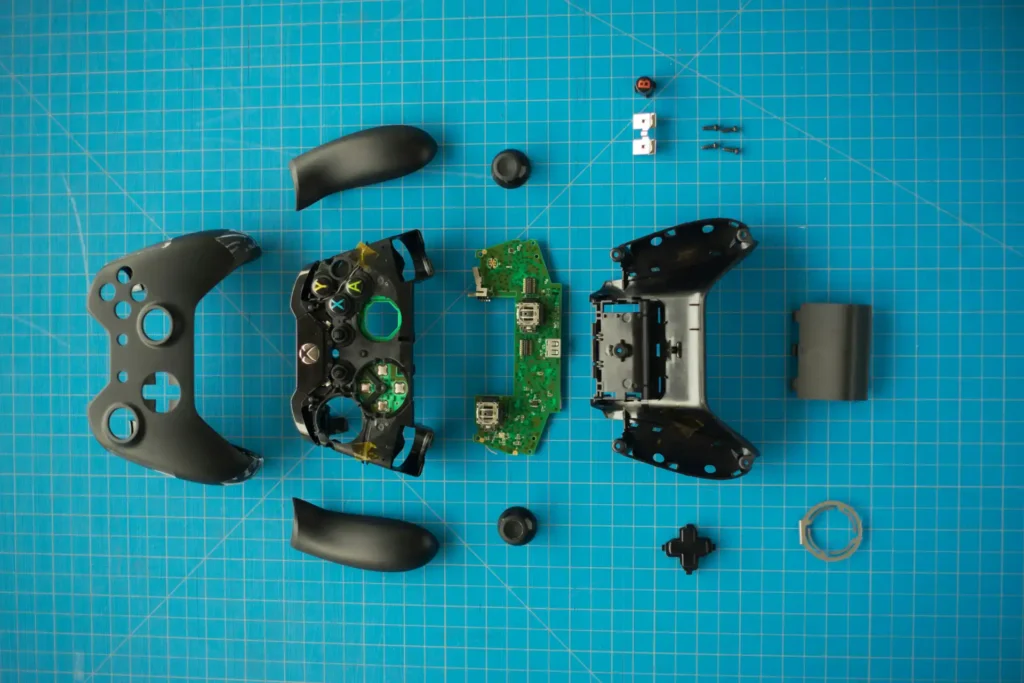
Longevity starts with architecture: accessible batteries, replaceable parts, maintainable software and non-destructive disassembly can improve repairability. Where an applicable repairability index or ecodesign rule exists, its criteria belong in the design inputs. A product-as-a-service or other functionality-based business model goes further: diagnostics, maintenance, refurbishment and fleet availability become part of the product definition, not an afterthought.

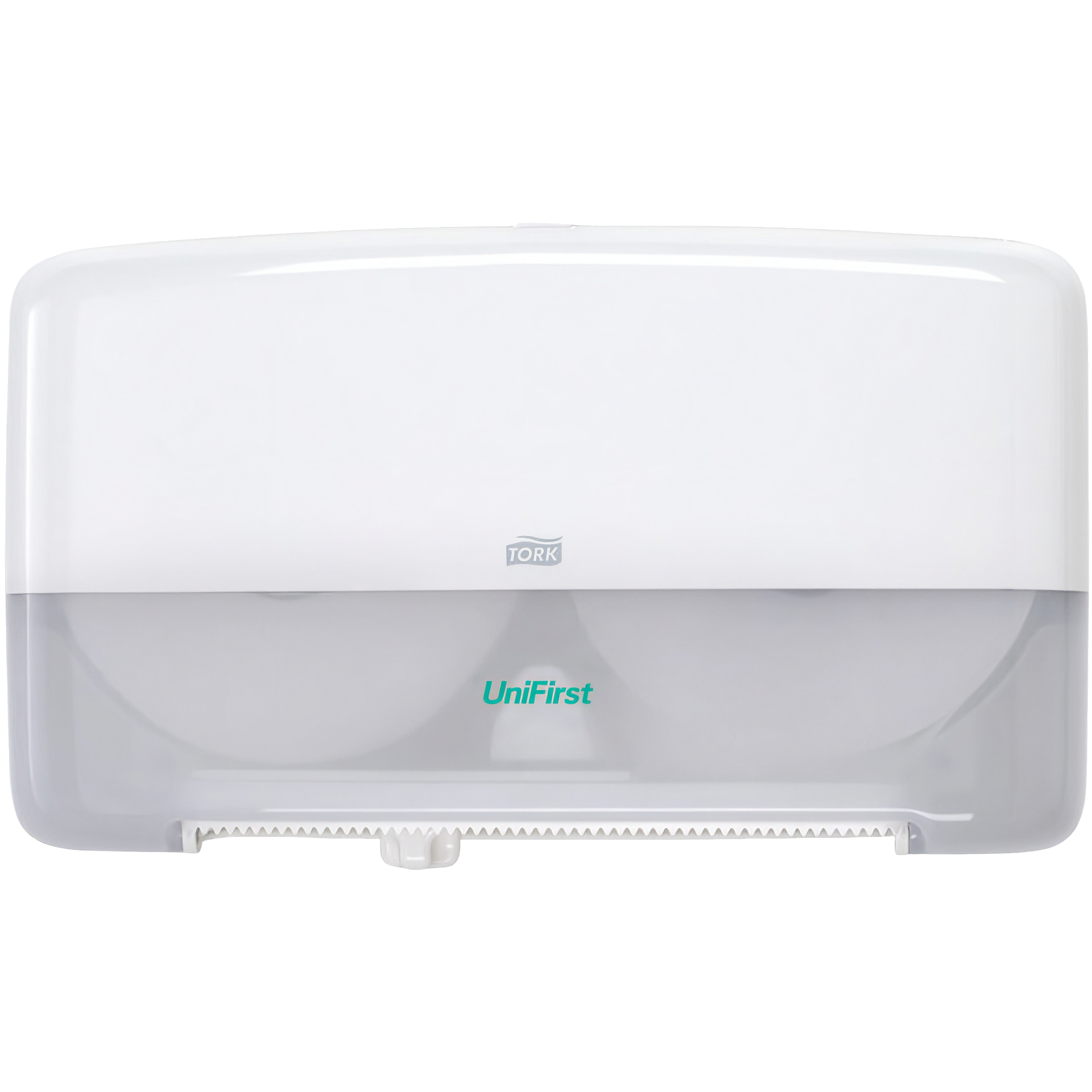
Unifirst: industrial partner to launch new production lines
Unifirst planed to develop a new line of paper/air/soap dispenser by their own design instead of branding other’s product. Recognized the importance of partnering with the right suppliers, they entrust kickmaker to navigate the EMS sourcing activities.
The engineering disciplines behind every Kickmaker build
Product performance depends on how its parts work together. Heat from a circuit board, for example, affects enclosure design and firmware power management. Our engineers test these interactions on prototypes to help your team choose the next design step. Explore our hardware product development expertise:



Expert FAQs on Consumer Electronics Engineering
When should manufacturing shape the design?
From the first architecture decisions. Target cost, component access, testability and sourcing should inform prototypes without freezing the product before its core assumptions have been tested.
Does a working prototype mean the product is ready for serial production?
No. Pre-production and PVT still need to show that the intended design can be assembled, calibrated and tested consistently with available parts and defined quality criteria.
How do we know a connected feature adds value?
Start with the user task, not the protocol. Then test whether connectivity improves setup, personalization, service or life-cycle management enough to justify its power, security, cost and support burden.
Talk to us and see what’s possible
Tell us about your product, its current stage, and the challenge ahead. We’ll discuss your priorities and identify where our team can help you take the next step.
"*" indicates required fields