Robotic, Industrial Automation & Special Machinery
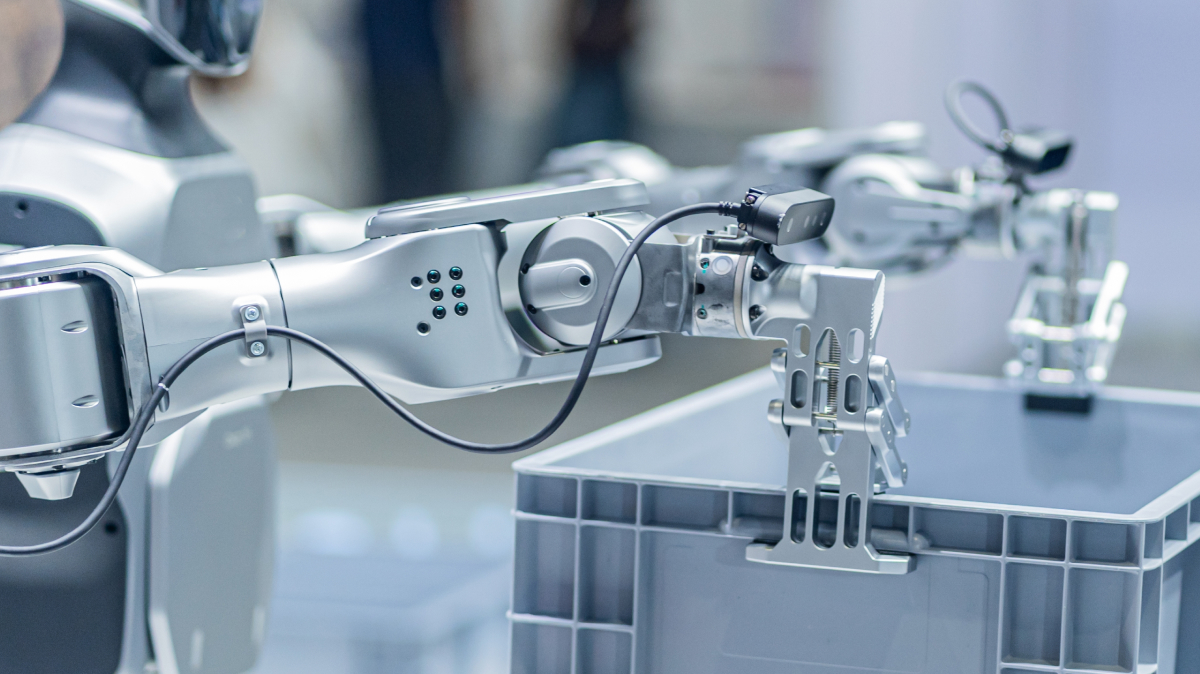
The factory of tomorrow is designed today. Let us build yours. Physical AI is taking robotics into a new era: robots that see, learn and adapt; cobots working alongside operators; autonomous mobile robots and, soon, humanoids in workshops. Those possibilities still have to become machines that run. Designing the cell, integrating AI machine vision, simulating the line with a digital twin, embedding intelligence and making the whole system safe: this is where it happens. Kickmaker brings together more than 300 engineers in mechatronics, electronics, embedded AI and industrialization to take your robots, special machinery and automated lines from prototype to serial production in France, China and the United States.
Scaling Hardware from Prototype to Serial Production
A pilot cell must prove cycle time, repeatability, changeover and operator intervention before it is duplicated. We define acceptance criteria and use a digital twin, offline programming or virtual commissioning where they reduce uncertainty. Physical testing remains essential to validate the installed machine and its safety functions.

Custom Assembly Lines & Cobotic Integration
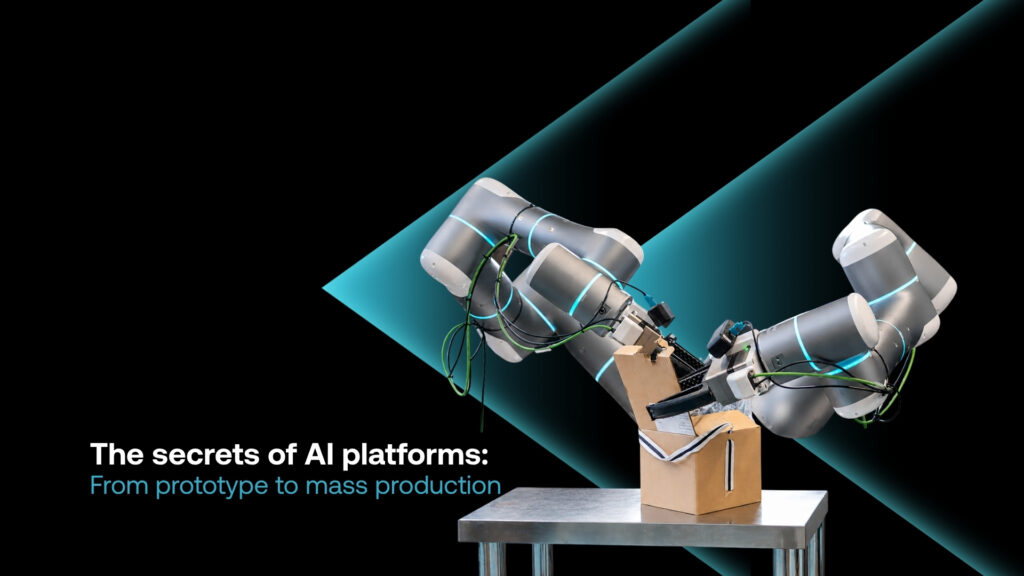
An automated assembly line can combine feeding, positioning, joining, inspection and unit-level data. Servo-driven axes, interchangeable grippers and force-torque sensing support product variants; cobotic integration is chosen only when payload, reach, cycle time and the risk assessment support it.
AMRs may connect stations when material flow is the constraint. Machine vision, including 3D localization, can help align parts or verify an operation. We choose these technologies against takt time, variability, maintenance access and the cost of changeover.
Quality Management & Product Validation Testing (PVT)
Quality must be observed inside the process. 2D or 3D vision checks presence and orientation; in-line metrology measures critical dimensions; functional benches verify the delivered behavior. Unit traceability connects these results to machine settings, software version and lot, while statistical process control (SPC) helps detect drift.
Product validation testing (PVT) checks whether the intended product and production process perform together under representative conditions. We connect test criteria, machine settings, software versions and results so teams can decide whether to ramp, adjust or investigate.


Why Partner with Kickmaker for Industry 4.0?
A special machine is rarely a standalone purchase. It affects product design, operator safety, quality evidence, spare parts and future variants. Kickmaker connects these disciplines in one engineering path—from the first feasibility rig to the build records and controls used at scale. We validate the interfaces that determine performance instead of assuming the factory will absorb them later.
Machine safety is designed from the architecture: hazard analysis guides guarding, interlocks, safe stops and validation. Depending on the machine, ISO 13849-1 and ISO 10218 may inform the approach. Kickmaker contributes engineering and test evidence; the party placing the machine on the market or commissioning it retains the applicable conformity responsibilities.

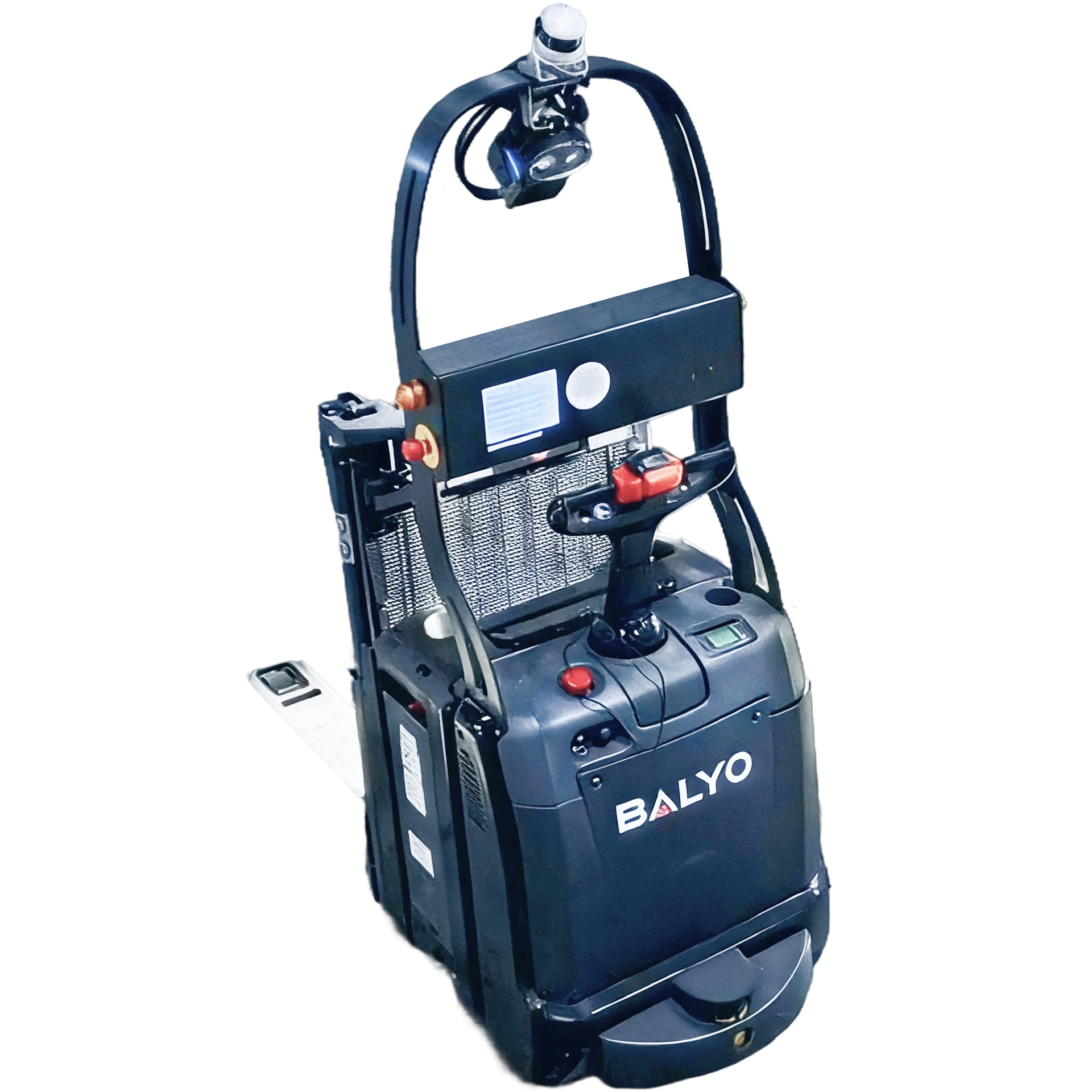
Balyo: development charging station for AGV
The client wanted to develop a charging station for the first fully AGV dedicated to automated warehouse. Balyo needed support for the development, and the full industrialization process in China.
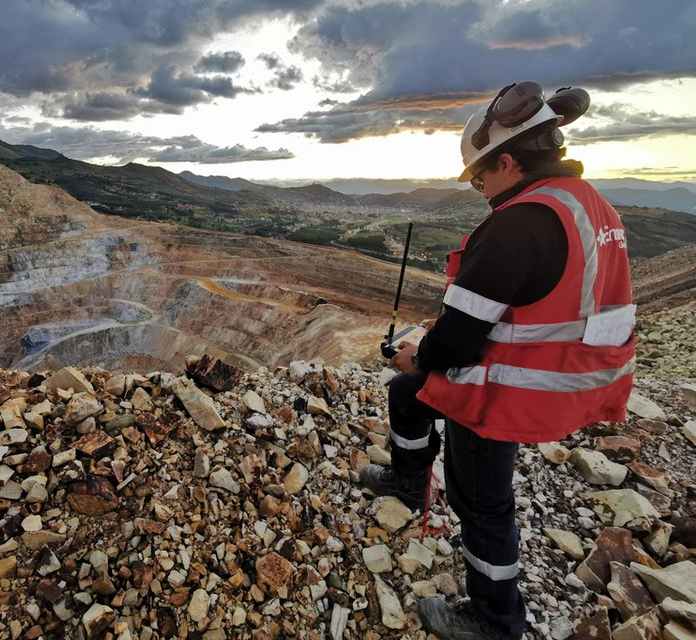
Davey Bickford: industrializing an innovation
Davey Bickford is revolutionizing the control and initiation of explosive charges in civil mining environments. Kickmaker’s teams supported the industrialization of the product.
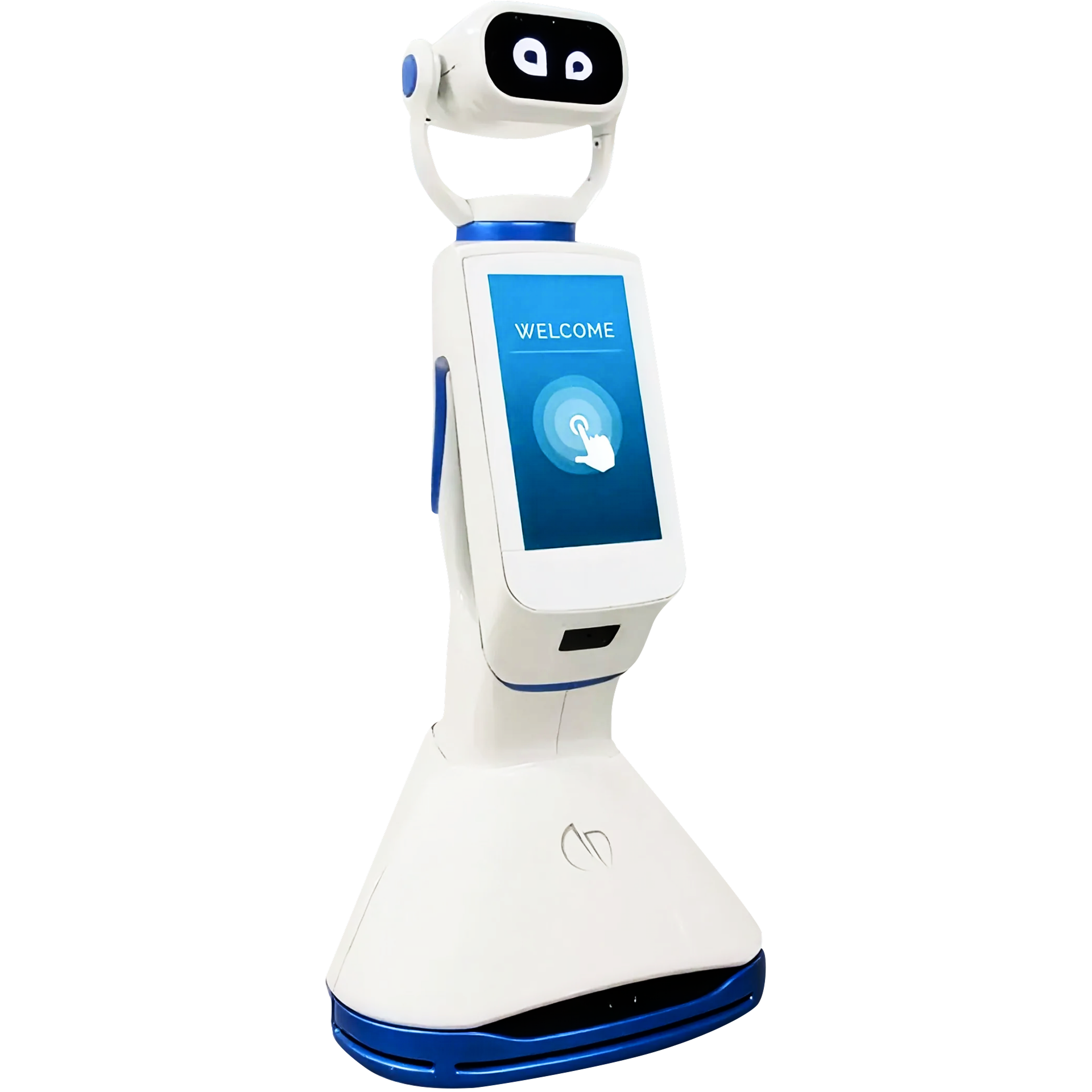
Interactive robot
Hease Robotics’ objective was to improve and industrialize its reception robot, geared towards the retail and hospitality industry. Designed to enhance user experiences through its robots in environments like shopping malls, hotels, and trade shows, Hease required significant technical advancements and preparation for mass production.
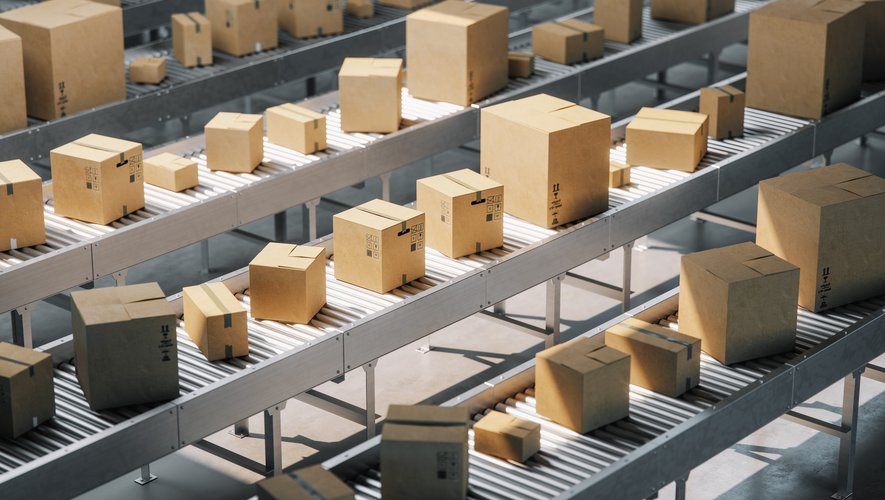
La Poste : Optimizing Manual Parcel Sorting and Scanning Operations
La Poste has developed an AI-powered mobile application capable of reading addresses and scanning parcels through image analysis to speed up and improve the reliability of sorting and delivery operations.
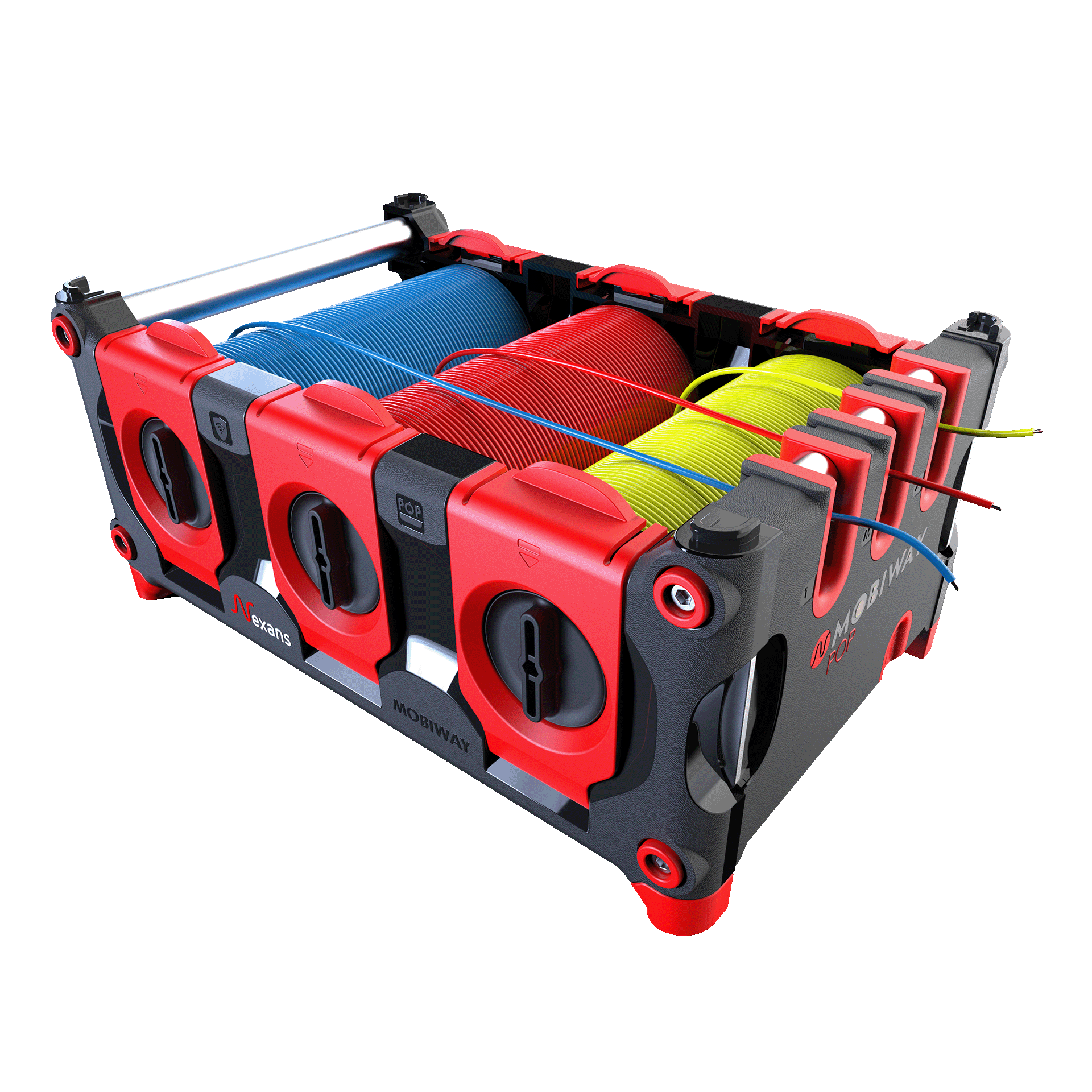
Nexans: A smart tool to optimize on-site cable management
To bring this ambition to life, Nexans chose to rely on Kickmaker to develop a comprehensive solution integrating hardware and a mobile application, from proof of concept through to mass production.
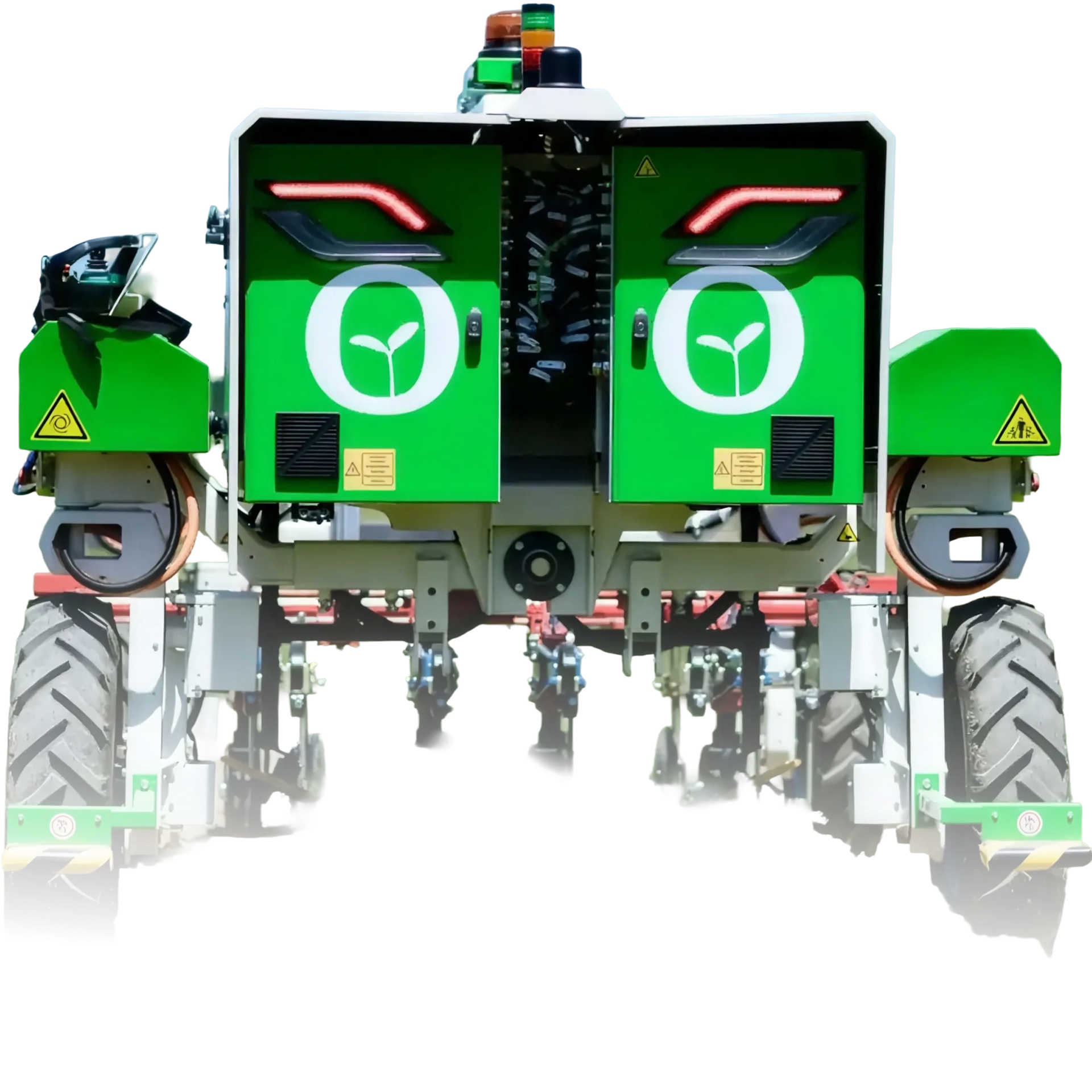
Precision farming robots
Naïo Technologies designs autonomous robots for precision farming and sought to enhance the reliability of their robots. We offered our expertise in low-level software support, certification, and sourcing.
The engineering disciplines behind every Kickmaker build
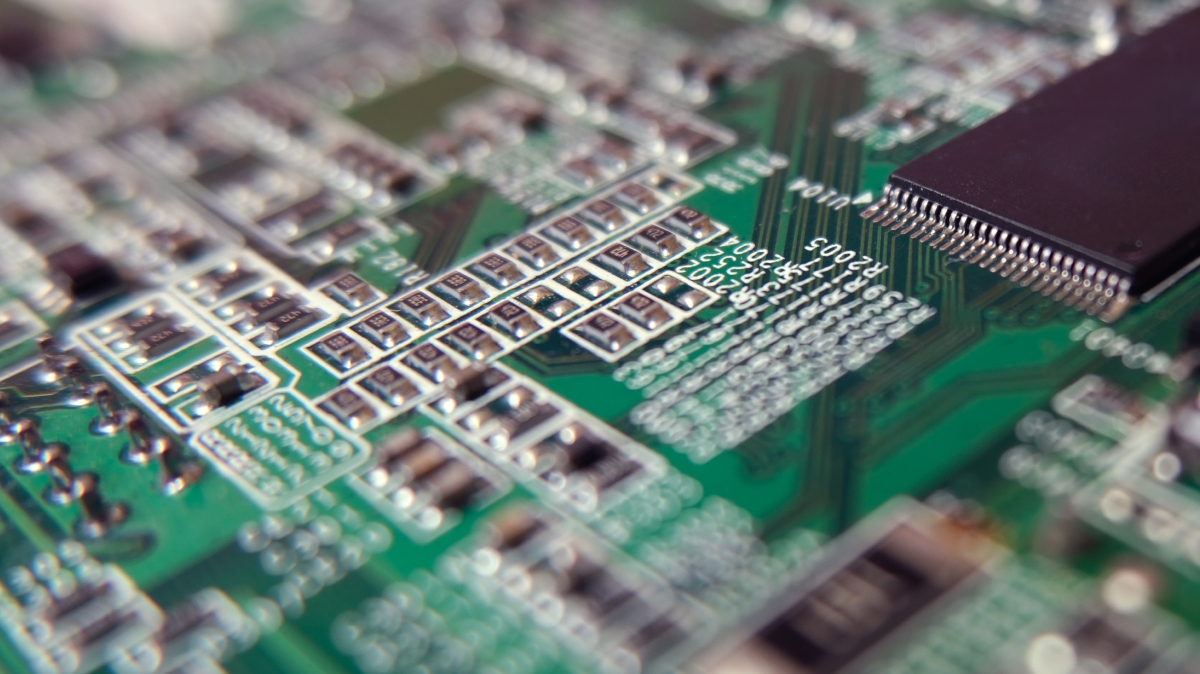
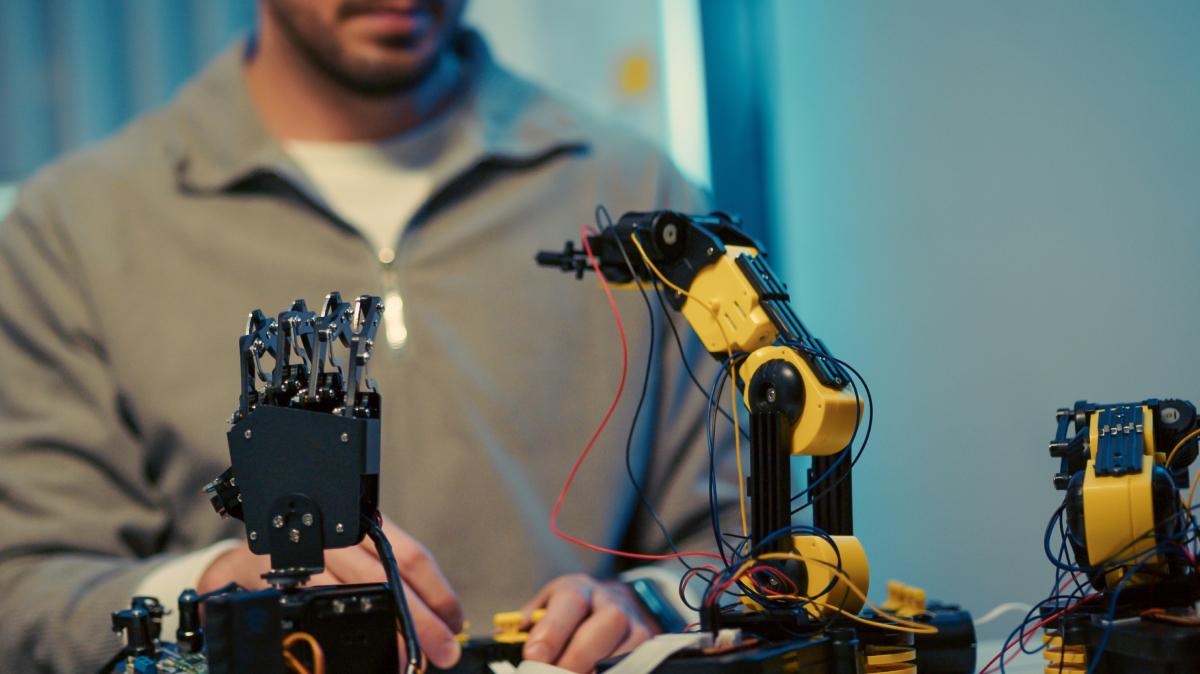
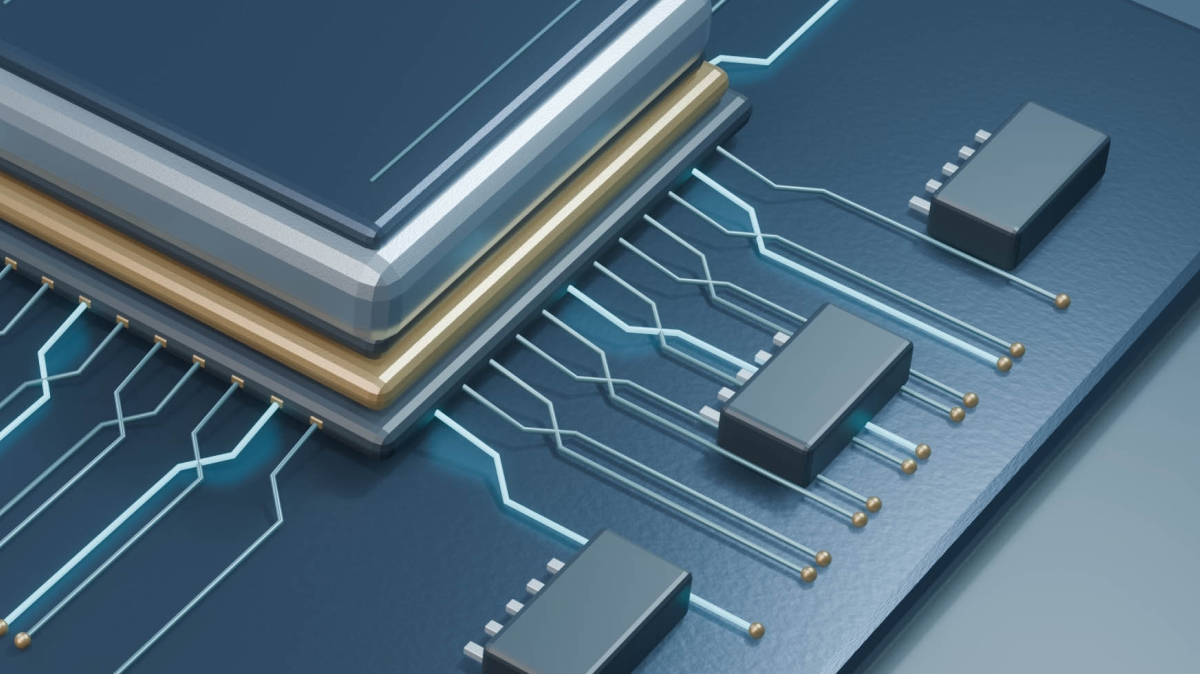
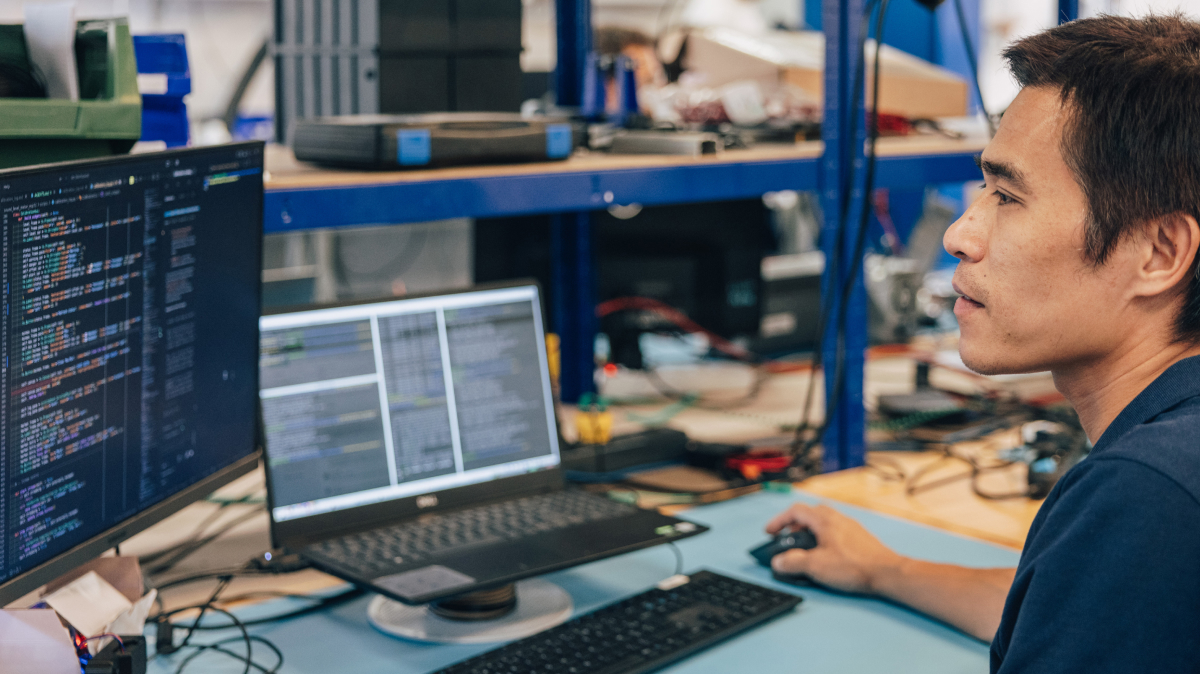
Product performance depends on how its parts work together. Heat from a circuit board, for example, affects enclosure design and firmware power management. Our engineers test these interactions on prototypes to help your team choose the next design step. Explore our hardware product development expertise:


Advanced Industrial Automation FAQs
When is a cobot the right choice?
When payload, reach, precision, cycle time and risk assessment support shared operation. A cobot label is not a safety assessment; a conventional robot cell or semi-automatic station may deliver a better result.
How do we introduce AI into quality control?
Start with a measurable defect, representative production data, defined false-accept and false-reject rates, and a fallback process. Compare the model with conventional vision and operator checks before using it to make a production decision.
Can a digital twin replace commissioning?
No. It can reduce layout and sequence uncertainty, while physical acceptance tests still verify the installed machine and its safety functions.
Talk to us and see what’s possible
Tell us about your product, its current stage, and the challenge ahead. We’ll discuss your priorities and identify where our team can help you take the next step.
"*" indicates required fields