Eco-Design Services: Engineering Sustainable High-Tech Products
Environmental performance is shaped by product decisions long before production begins. Product architecture, materials, energy use, service life, repair, and end-of-life management all affect a hardware product’s footprint. At Kickmaker, our engineers integrate these questions into development. We translate environmental objectives into practical requirements and compare options against performance, safety, cost, and industrial constraints.
Eco design is not a final compliance check or a simple material substitution. It connects product function, lifecycle impacts, technical evidence, and industrial feasibility. Applied early, it preserves meaningful design choices. Maintained through development, it keeps environmental priorities visible as the product definition, suppliers, and manufacturing assumptions evolve.
Turning Environmental Constraints into a Competitive Advantage
Environmental goals can create difficult trade-offs. Lower mass may reduce material use yet weaken durability. A new process may lower one impact while increasing energy demand or supply risk. Decisions therefore need a clear baseline and consistent criteria.
Kickmaker brings environmental analysis into the same engineering conversation as architecture, prototyping, validation, and industrialization. Our teams identify the decisions that matter, the evidence they require, and the disciplines they affect. This approach turns broad sustainability objectives into design priorities that engineers can use. It also makes assumptions and residual uncertainties visible before options narrow.

Life Cycle Assessment (LCA) & Carbon Footprint Optimization
A Life Cycle Assessment (LCA) examines impacts across relevant stages of a product’s life. Its value depends on a defined goal, comparison basis, system boundary, data sources, and assumptions. The required depth varies with product maturity and the decision at hand.
Early in development, a screening assessment can establish a baseline and locate likely hotspots. As the design gains definition, more detailed scenario analysis can compare architectures, components, production choices, use profiles, and end-of-life options. A Product Carbon Footprint (PCF) can separate embodied emissions from manufacturing, transport, and use-phase contributions within the agreed boundary.
Our engineers connect these findings to product decisions. We document data gaps and uncertainty, then focus effort where better evidence can change the design. The objective is not to produce a score in isolation. It is to support a traceable choice between technically equivalent options.
Advanced Material Selection & Decarbonization
Material selection combines environmental and engineering requirements. A candidate material must deliver the required function and remain compatible with manufacturing, safety, availability, cost, and expected service life. Carbon data alone cannot resolve that decision.
A heavier material may increase embodied carbon but extend useful life. A lighter option may reduce material use yet require earlier replacement. At Kickmaker, we compare these effects at product level, using consistent operating and lifetime assumptions. We also examine how finishes, adhesives, mixed materials, and production processes affect repair, separation, and recovery.
Circular Economy & End-of-Life (EoL) Strategies
Circular product design expands the question beyond first use. A six-R lens (refuse, rethink, reduce, reuse, repair, and recycle) can help teams challenge unnecessary functions and preserve product or component value. Where relevant, rental or product-as-a-service models can change ownership, maintenance, and recovery incentives. These remain business decisions; our role is to make their product-design consequences explicit.
Durability alone does not determine useful life. A product must also allow faults to be diagnosed and critical parts to be maintained or replaced. Repairability therefore depends on architecture, access, interfaces, fasteners, tools, documentation, and spare-part strategy.
Our engineers map service and disassembly paths before irreversible choices are fixed. We evaluate replaceable modules, reduce unnecessary destructive assembly, and identify interfaces that constrain repair or upgrade. End-of-life scenarios then consider reuse, refurbishment, material separation, and recycling. The resulting requirements guide detailed mechanical, electronics, and industrialization work without assuming that every component has the same recovery route.

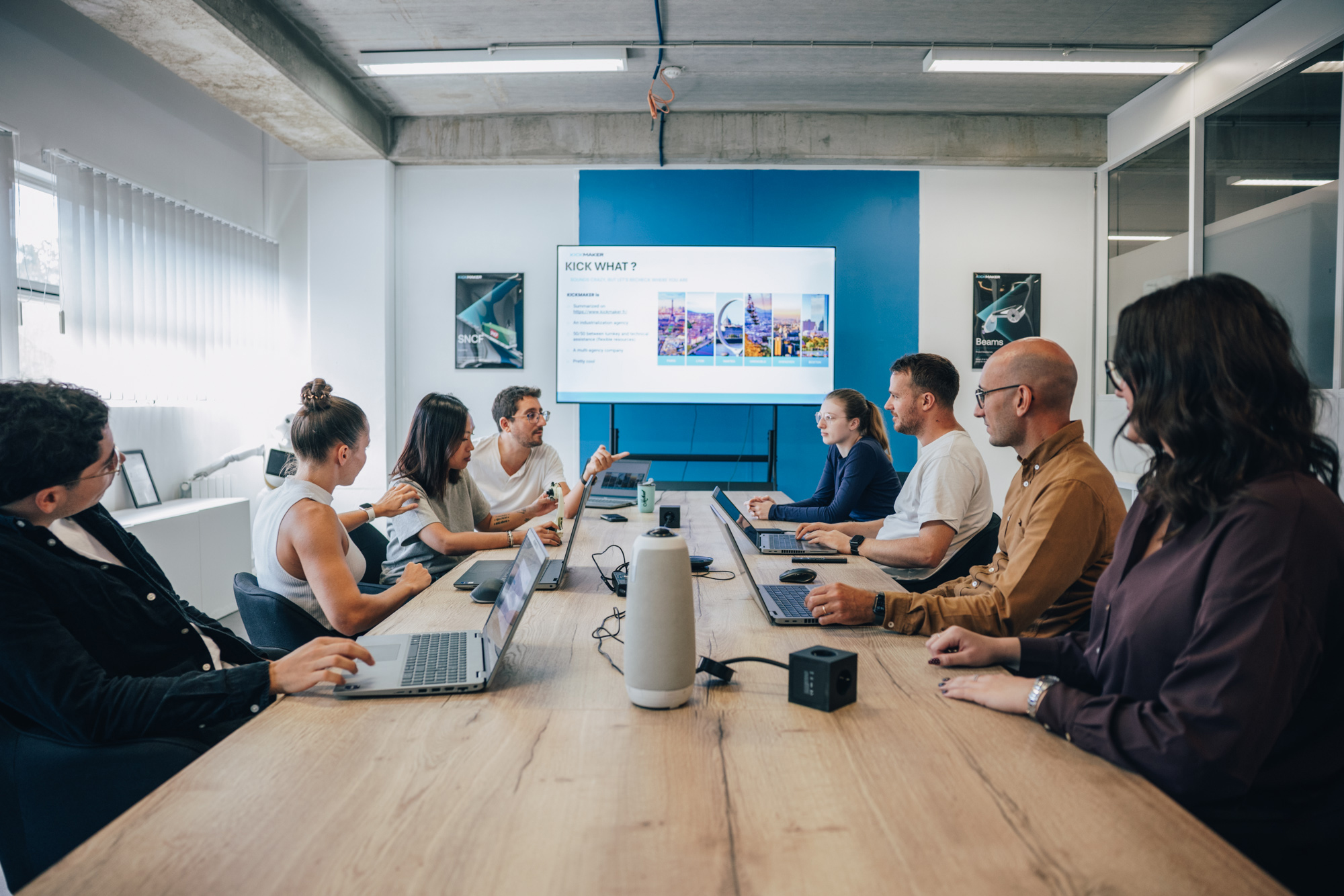


Meet the engineers behind the expertise

At Kickmaker, we bring together all the expertise needed to design smart, sustainable products. We strive to strike the right balance between industrial performance, innovation, and sustainability by factoring environmental considerations into our design decisions.

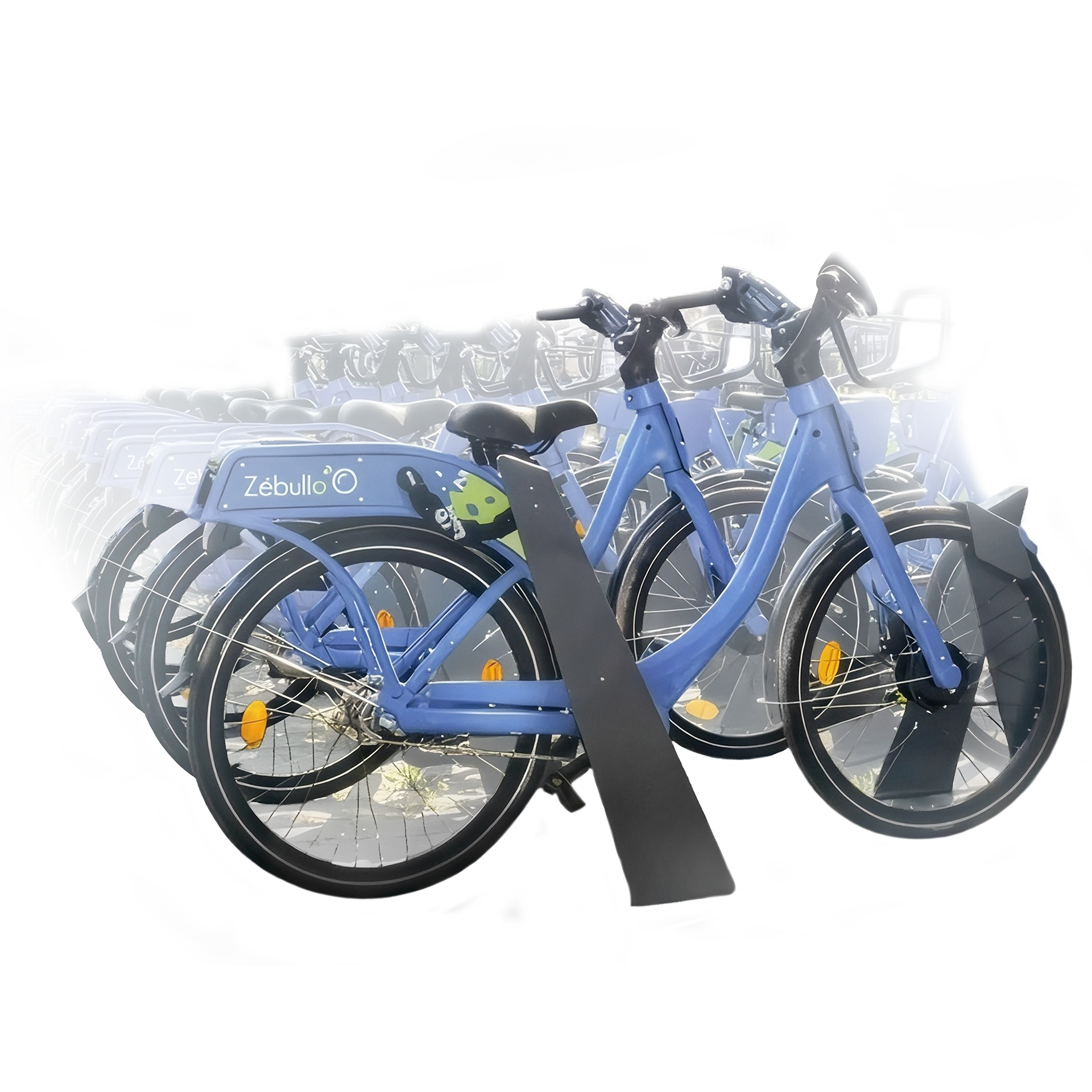
Ecovelo: development of a locking system for shared bikes
Ecovelo is rethinking urban mobility with a focus on sustainable, shared cycling. To support this vision, Kickmaker partnered with Ecovelo to develop an innovative locking system for bike sharing.
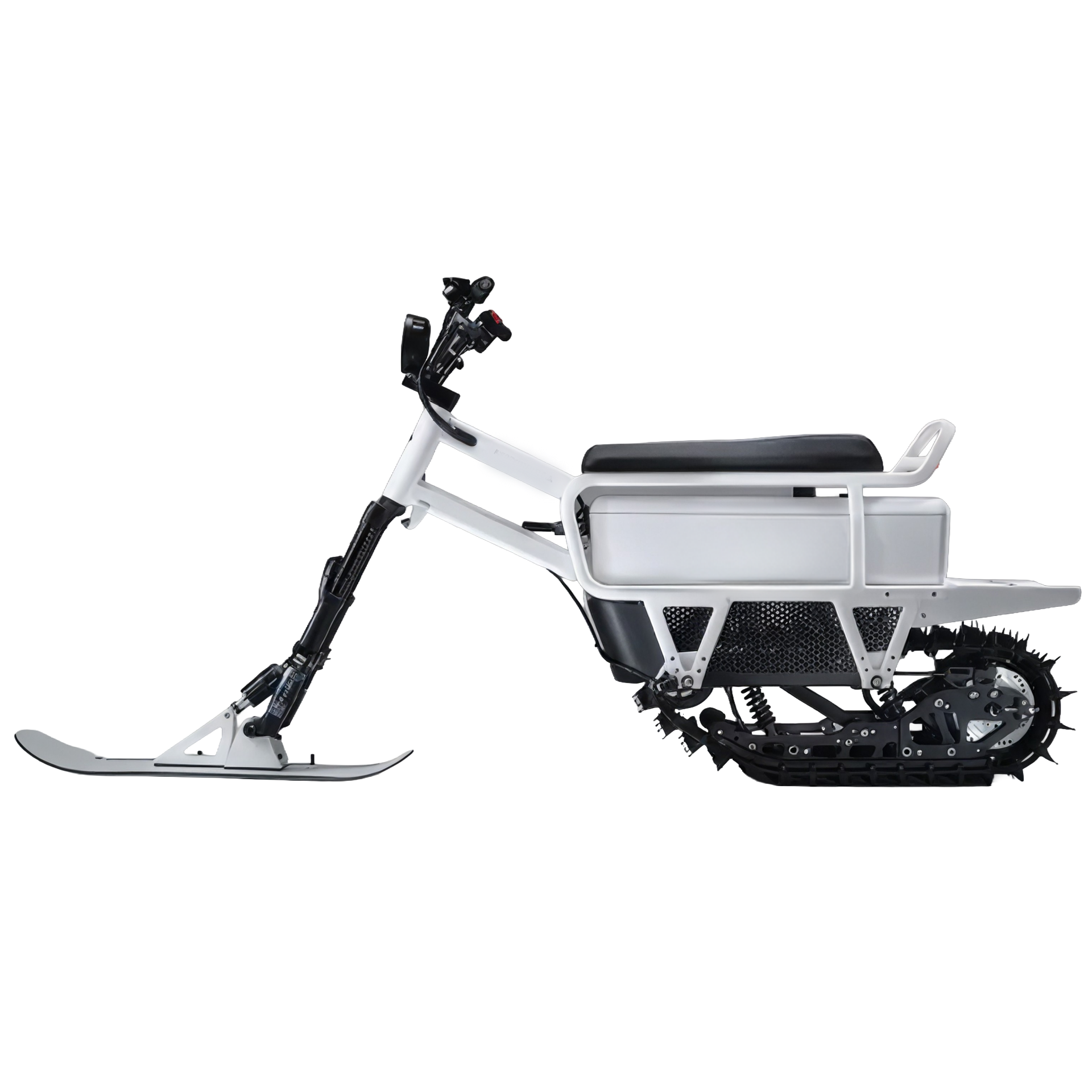
Certification and sourcing for an electric snowbike
MoonBikes developed the first electric snowbike, designed to easily navigate alpine terrain while remaining eco-friendly and compact. To support their go-to-market strategy, MoonBikes entrusted Kickmaker with managing regulatory certifications and sourcing critical components.
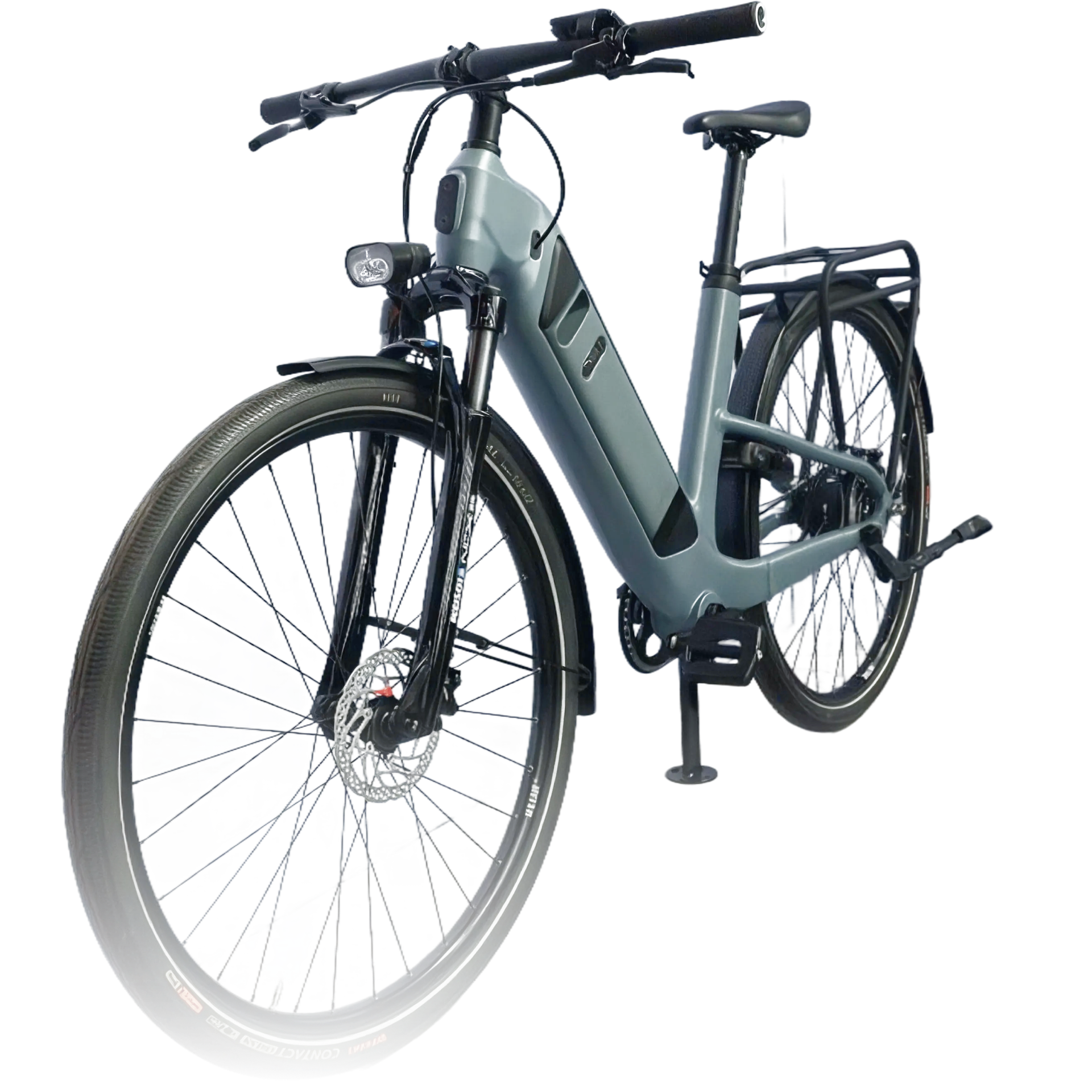
ENYRING: support in the development of a fleet of eBikes
ENYRING, a subsidiary of Yamaha Group, is developing an innovative mobility solution. Based on a Battery-as-a-Service approach, it combines eBikes, battery management infrastructure, battery swap stations, and a mobile app into an integrated ecosystem. The goal is to make urban cycling more practical through smart product design and modular infrastructure.
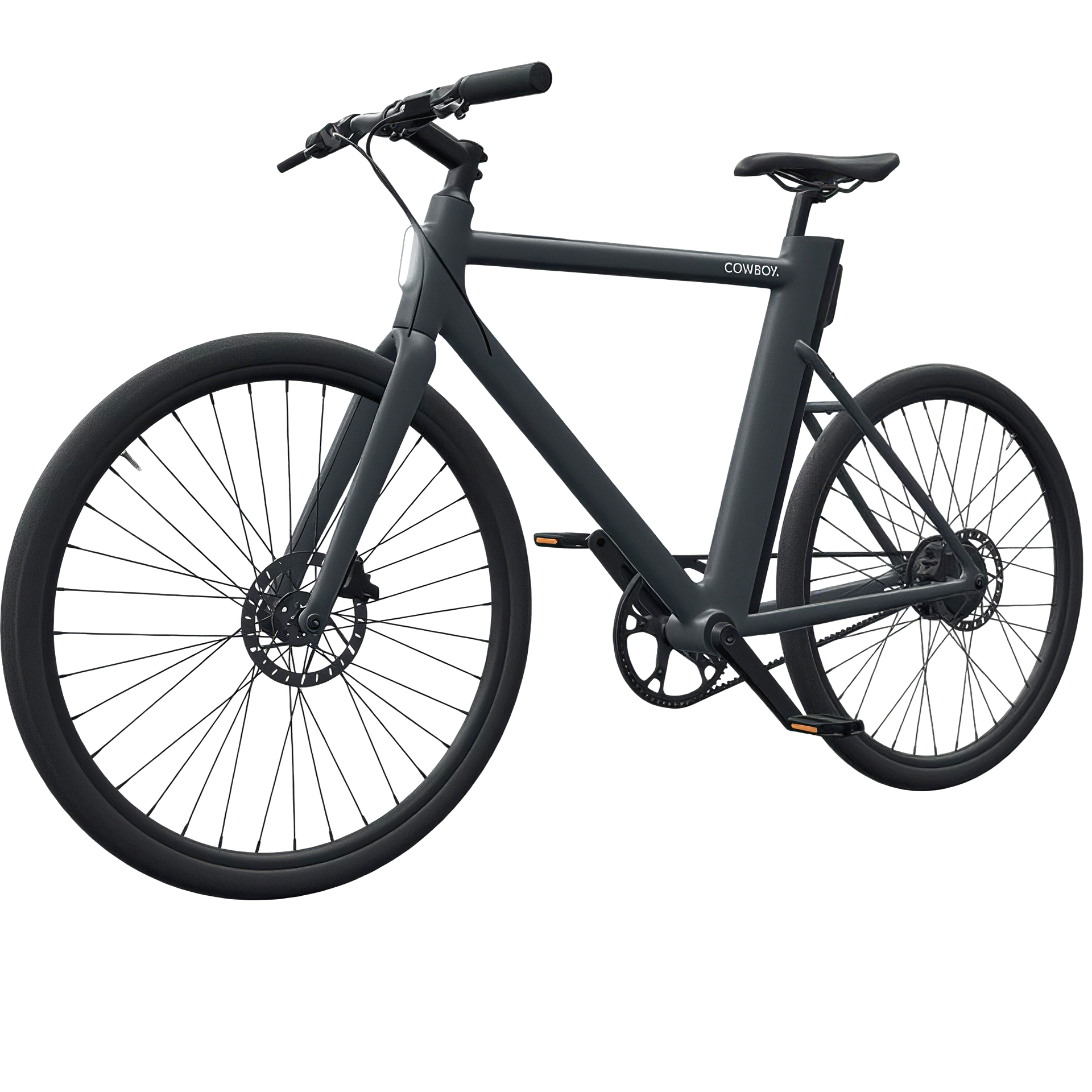
Cowboy bike: designing a custom motor controller
Cowboy, an innovative electric bike brand, wanted to take back control of their motor controller design to enhance technical integration and improve supply chain efficiency. To achieve this, they partnered with Kickmaker to develop a fully customized motor controller in collaboration with strategic partners.
Advanced Eco-Design FAQ
How do you balance durability with the embodied carbon of heavier materials?
We begin with equivalent product function and realistic lifetime scenarios. A screening assessment compares embodied impact with expected durability, maintenance, repair, and replacement behavior. Mechanical requirements remain explicit throughout. When uncertainty could reverse the conclusion, we test sensitivities or collect better data before selecting a material. This avoids treating low mass or long life as an automatic environmental benefit.
When should a predictive LCA begin?
The right starting point depends on the decision, not a fixed Technology Readiness Level. A screening LCA can be useful while architecture and materials are still open. A fuller study requires a stable goal, boundary, comparison basis, and sufficient data. We increase the assessment depth as product definition improves and decisions justify it. Predictive modeling is used only when its scenarios, data, and uncertainty are appropriate and clearly stated.
How can environmental data be connected to PLM systems?
Environmental information can be associated with versioned bills of materials, product configurations, supplier evidence, and engineering changes. Before any Product Lifecycle Management (PLM) integration, we define the attributes, provenance, calculation boundaries, ownership, and update rules. The system can then preserve decision traceability. Calculation methods and reporting responsibilities remain separate, and automation is introduced only when the data and workflow support it.
Talk to us and see what’s possible
Tell us about your product, its current stage, and the challenge ahead. We’ll discuss your priorities and identify where our team can help you take the next step.
"*" indicates required fields