Testing & Validation Services for Hardware Industrialization
At Kickmaker, we provide testing and validation services from the first proof of concept through production scale-up. Our engineers turn product requirements into test strategies and documented results. We help your team identify weaknesses early, assess design changes, and make informed decisions before committing to tooling or serial production.
Verification checks whether the product meets its specified requirements. Validation assesses whether it meets user needs in its intended environment. Testing supports both. We adapt the evidence to your product’s maturity and the decision ahead.
Mitigating Risks from Engineering Prototype to Serial Production
Product development testing starts before the design is finalized. A proof of concept tests feasibility; an engineering prototype helps assess critical functions and interfaces. Kickmaker plans verification and validation across these phases. We agree on objectives and acceptance criteria with your team, adapting the milestones to your development process.
During Engineering Validation Test (EVT) iterations, we use those results to refine critical functions. Later campaigns assess more representative product configurations.

Design Validation Testing (DVT)
During the Design Validation Test (DVT) phase, our engineers assess the production-intent design against its requirements. Samples must represent the intended materials, tooling, and assembly. Enclosures and cables can affect electromagnetic compatibility, while component placement can change thermal behavior. We check these conditions before interpreting results.
DVT testing combines requirement checks with representative-use scenarios where needed. The findings guide design corrections before production commitments become harder to change.
Product Validation Testing (PVT)
PVT testing assesses readiness under representative manufacturing conditions. Kickmaker works with your team and the selected electronics manufacturing services (EMS) partner to evaluate how assembly and inspection affect product quality. We review production-test results against agreed acceptance criteria, including traceability at unit level.
This three-party collaboration prepares the transition to serial production. Responsibilities and unresolved issues remain explicit, so the decision to increase volumes rests on observed process performance.




Meet the engineers behind the expertise

Bringing different disciplines together is critical to product development. Electrical, mechanical, and software engineers need to work hand in hand. What sets Kickmaker apart is our engineers’ ability to understand the constraints of other disciplines beyond their own area of expertise.

Electronic design turns complex requirements into practical, reliable solutions that meet the product’s specific needs and constraints. At Kickmaker, working across a wide range of projects and industries allows us to share knowledge and apply technologies from one field to another. By combining collaboration with hands-on experience, we can anticipate challenges, make informed technical decisions, and ensure a smoother transition from prototype to industrialization.

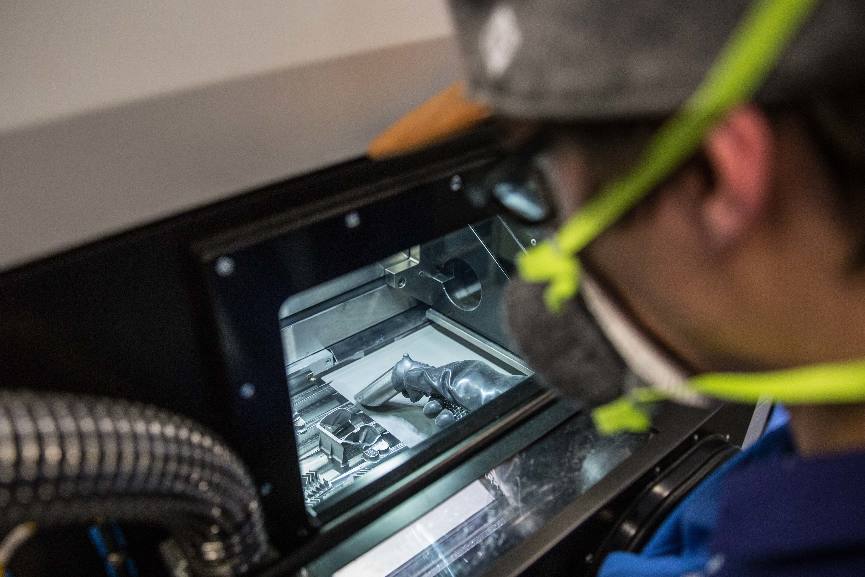
Our network of specialized suppliers, in-house prototyping equipment, and engineering expertise allow us to efficiently turn our clients’ ambitions into working prototypes. From small production runs to high-volume manufacturing, we adapt production processes and anticipate cost and feasibility constraints to ensure an efficient transition to industrial production without endless iterations.

Seamless Transition to Manufacturing (DFx)
Testing informs Design for X (DFx), including Design for Test. Our engineers define accessible test points and production-test limits so a manufacturing partner can check critical functions consistently. We prepare the bench logic and transfer documentation, then assess the complete test process under representative line conditions. This connects development findings to repeatable production controls.


Certification and sourcing for an electric snowbike
MoonBikes developed the first electric snowbike, designed to easily navigate alpine terrain while remaining eco-friendly and compact. To support their go-to-market strategy, MoonBikes entrusted Kickmaker with managing regulatory certifications and sourcing critical components.
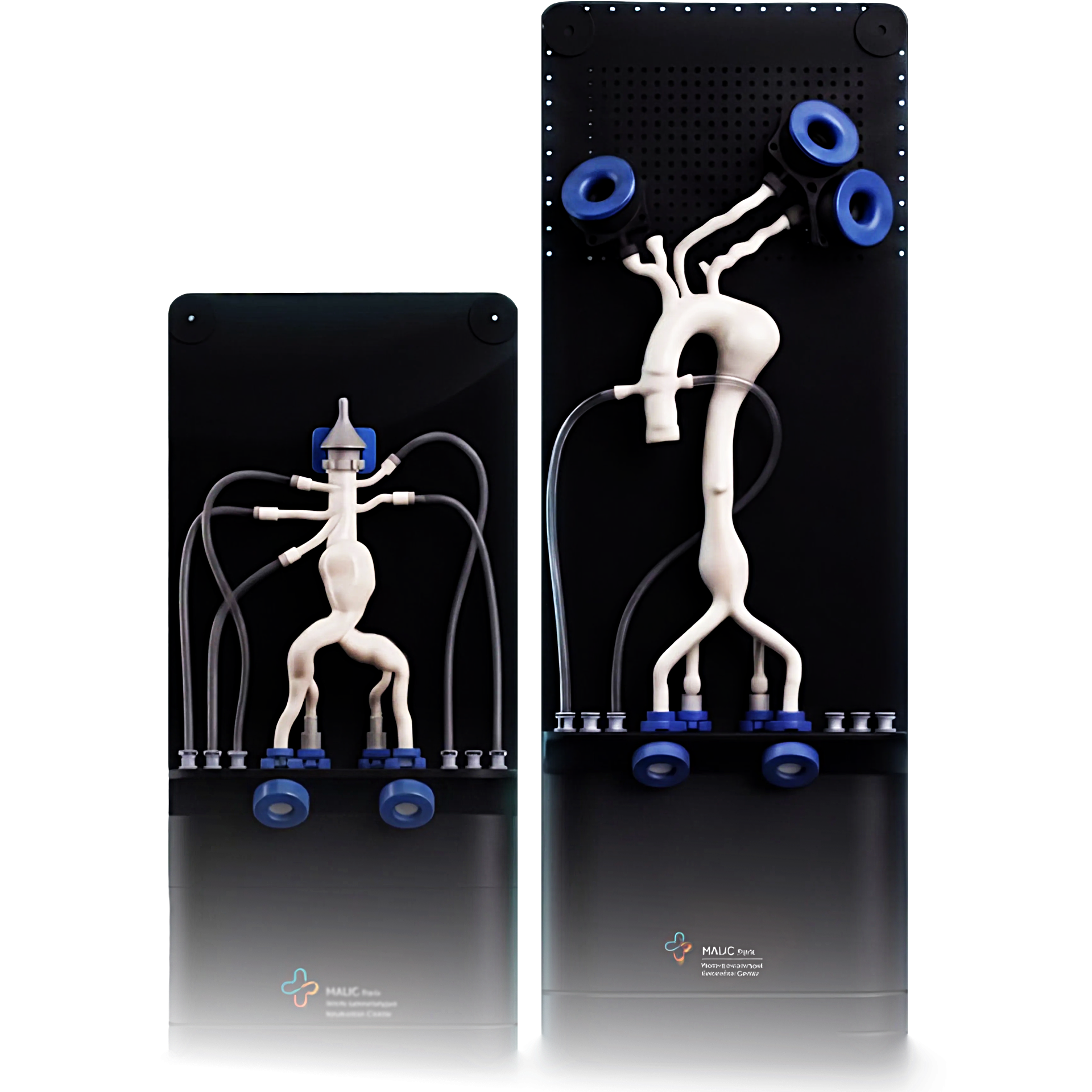
MAL-Ao: From simulation to the operating room: a test bench for aortic surgery
Faced with the limitations of existing solutions, unrealistic, costly, and difficult to deploy, Hôpital Marie-Lannelongue through MALIC (Marie Lannelongue Innovation Center), sought to design a turnkey, immersive, and easily accessible alternative.
Within this framework, MALIC’s R&D team called on Kickmaker to develop the MAL-Ao surgical test bench.
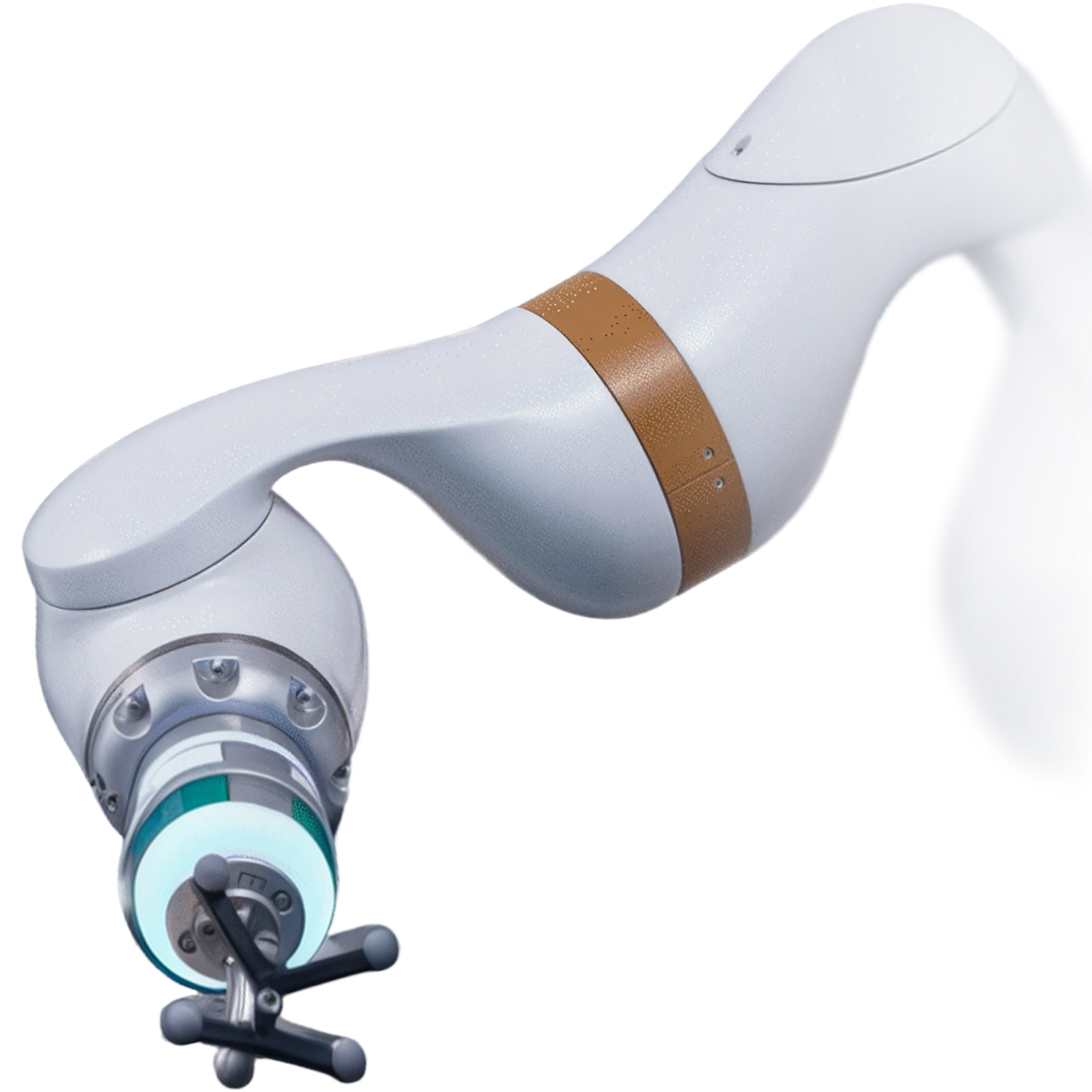
Test bench design
Ganymed robotics asked Kickmaker to design a test bench for testing passive actuators. The test bench had to measure the torque applied to the brake, as well as the deformation of the passive actuator via an encoder.

Unifirst: industrial partner to launch new production lines
Unifirst planed to develop a new line of paper/air/soap dispenser by their own design instead of branding other’s product. Recognized the importance of partnering with the right suppliers, they entrust kickmaker to navigate the EMS sourcing activities.
FAQs – Expert Insights on Testing & Validation
How is the transition managed between design validation (DV) builds and PVT when critical hardware design changes occur?
After the design baseline is approved, Kickmaker assesses each change against the affected requirements and risks. We update the configuration records and repeat the necessary tests. The results inform approval of the revised design before the next phase.
What are the traceability requirements for validation protocols under ISO 13485 for medical device development?
Protocols and execution records should connect approved requirements to the tested configuration, acceptance criteria, results, and approvals. We organize these links so reviewers can identify the supporting evidence and assess the impact of changes within the applicable quality framework.
How does Kickmaker approach software test automation for embedded and connected products?
We select automated checks that can be repeated across relevant builds and configurations. Host-based tests support portable software layers. Target-hardware and system tests address interactions that depend on the physical product, helping teams distinguish software regressions from integration issues.
What metrics define a successful qualification strategy for IoT hardware in high-density environments?
Metrics depend on the use case. Packet loss, communication latency, and recovery after disconnection may be relevant. Acceptance limits should reflect representative device density and interference, so measured performance can be compared with the service users actually need.
Talk to us and see what’s possible
Tell us about your product, its current stage, and the challenge ahead. We’ll discuss your priorities and identify where our team can help you take the next step.
"*" indicates required fields