Cloud Software Development Services
Cloud software connects physical products, users, business systems, and operating teams through shared product state and defined services. For high-tech products, IoT platforms, robotics, and industrial systems, it must also account for hardware limits, field conditions, and long product lifecycles.
At Kickmaker, cloud software development starts with the product. We align cloud software architecture, backend services, data flows, and deployment practices with device behavior and business priorities. From a proof of concept (POC) to an operating platform, we focus on the interfaces and evidence needed for each next decision.
Why Choose Cloud-Based Software for Your High-Tech Products?
A useful cloud layer makes a connected product observable and serviceable. It can support remote configuration, product data, customer applications, and controlled change. Its architecture must remain coherent when connectivity is intermittent, resources are constrained, or operating responsibilities are shared.

Scalability and Flexibility for IoT Devices
Building scalable software is not simply a matter of adding compute capacity. As a fleet grows, the platform must handle more identities, telemetry, events, commands, configurations, and software versions without losing control of product state.
Our engineers define how information moves between devices, gateways, edge services, and the cloud. Edge computing can reduce bandwidth use or keep time-sensitive behavior close to the product. Central services can aggregate data at fleet level. We document capacity assumptions, retention needs, and failure behavior so the architecture evolves through measured decisions rather than a full redesign.
Seamless Backend Integration & Data Security
A connected product depends on explicit contracts between hardware, firmware, cloud services, applications, and business systems. Telemetry schemas describe what a device reports. Command semantics define what it may do. API and schema versioning, retries, and idempotency govern delayed, duplicated, or lost messages.
Kickmaker engineers shape these device-cloud contracts with product and application teams. Within the agreed scope, we implement approved identity, authentication, authorization, protected transfer, and audit-logging controls. This makes integration issues visible earlier and supports traceable change. Security and compliance remain shared system responsibilities, not qualities added by one software component.
Accelerated Time-to-Market with DevOps & CI/CD
Agile deployement creates value when each release remains repeatable and recoverable. A cloud release includes more than source code. Configuration, infrastructure, dependencies, data migrations, and device compatibility can all change system behavior.
At Kickmaker, continuous integration and continuous delivery or deployment (CI/CD) connect those elements to defined checks and approvals. Infrastructure as code, automated tests, versioned environments, observability, and rollback criteria create an explicit release baseline. This reduces manual variability and helps teams make release decisions sooner without hiding risk.




Meet the engineers behind the expertise

Bringing different disciplines together is critical to product development. Electrical, mechanical, and software engineers need to work hand in hand. What sets Kickmaker apart is our engineers’ ability to understand the constraints of other disciplines beyond their own area of expertise.
The Kickmaker Approach: From Concept to Deployment
We adapt each engagement to product maturity, technical risk, and the capabilities already available within your organization.

-
a. Understand the product and operating context
Our engineers examine product behavior, users, data, connectivity, existing systems, and deployment conditions. We identify the cloud interfaces that influence hardware, firmware, applications, and operations. This system view provides a common basis before key choices are fixed.
-
b. Define the architecture and roadmap
Kickmaker translates that context into an architecture baseline, interface contracts, risk priorities, and a staged roadmap. For an early POC, we focus on assumptions that need evidence. For a mature product, compatibility, migration, ownership, and service continuity become central decisions.
-
c. Build and integrate
Our teams develop the agreed cloud services, APIs, applications, and data flows. We coordinate with hardware, firmware, product, and information-system teams at each interface. Versioned contracts and integration evidence keep parallel work aligned as the product evolves.
-
d. Test and validate
Cloud evidence must reflect the behavior that matters to the product. We select unit, contract, integration, load, deployment, and recovery tests according to identified risks. Device simulators or representative hardware can support interface checks, while formal product qualification remains within its defined validation scope.
-
e. Deploy and operate
A deployment is a controlled change to a live product system. We establish environment baselines, monitoring signals, release criteria, rollback conditions, and operating documentation for the agreed scope. Pilot or staged releases allow behavior to be evaluated before a wider rollout.
-
f. Improve at scale
Operational data shows where capacity, reliability, usability, or cost assumptions need attention. Kickmaker uses defined metrics and incident evidence to prioritize changes. New features, device variants, integrations, and deprecations then enter the same controlled lifecycle instead of accumulating as isolated fixes.

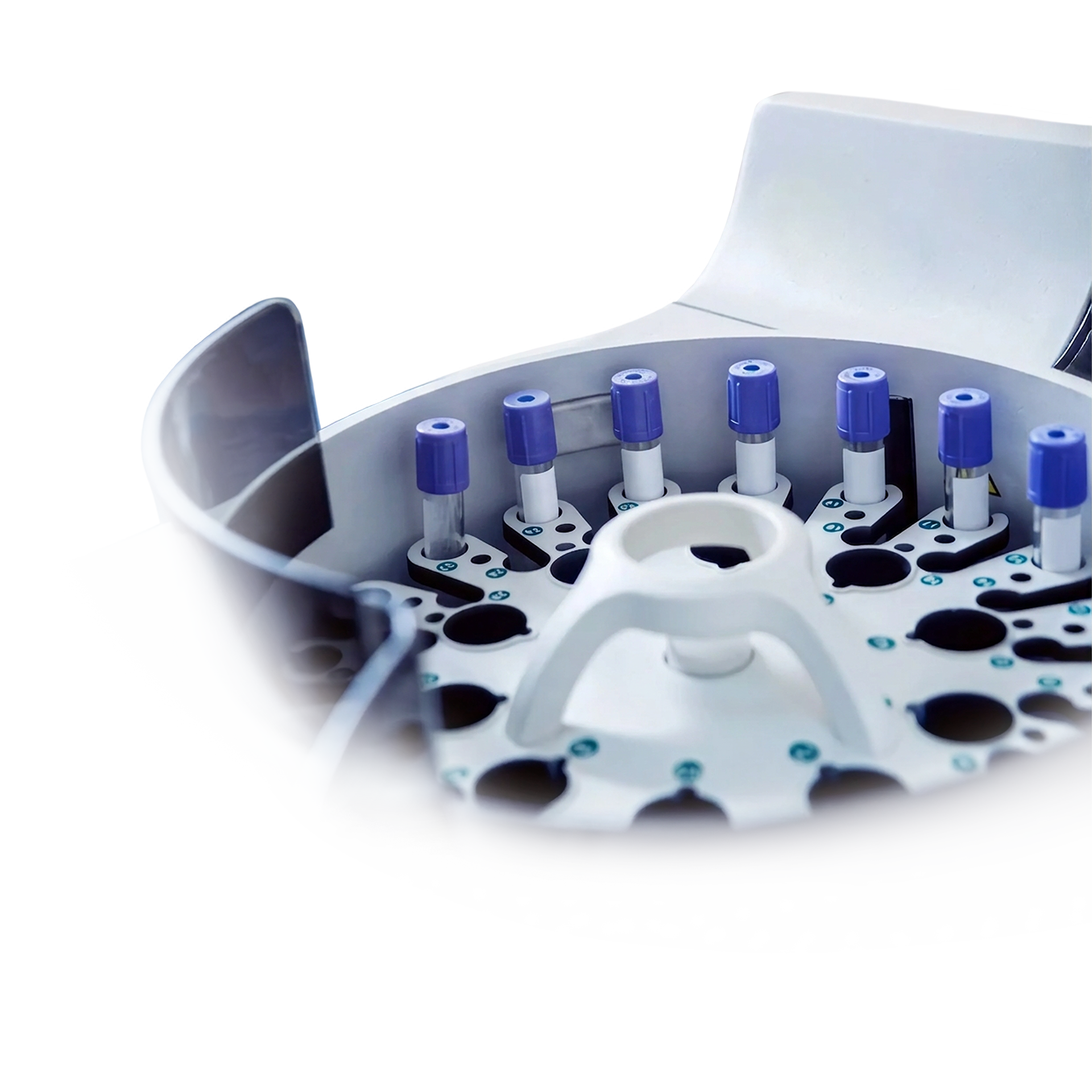
Blood lab diagnostics machine
Our client was developing an innovative medical diagnostics machine for blood sample analysis. To ensure the project’s success, they entrusted us with the complete development of a cost-effective hemostasis IVD (In Vitro Diagnostic) system.
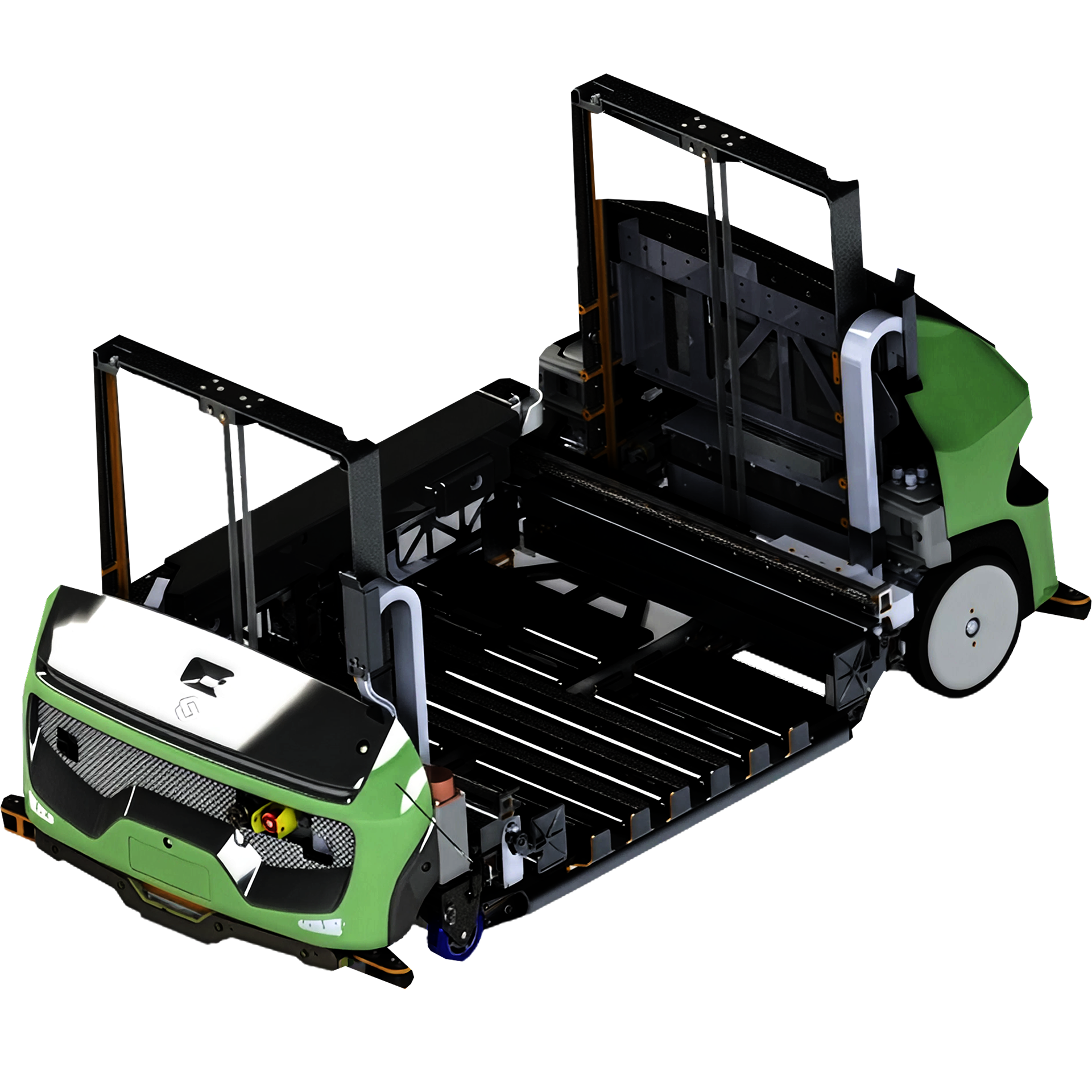
Warehouse automation – Automated Vehicles
Kickmaker designed a custom robot and integrated it into the customer’s existing fleet management and routing system.
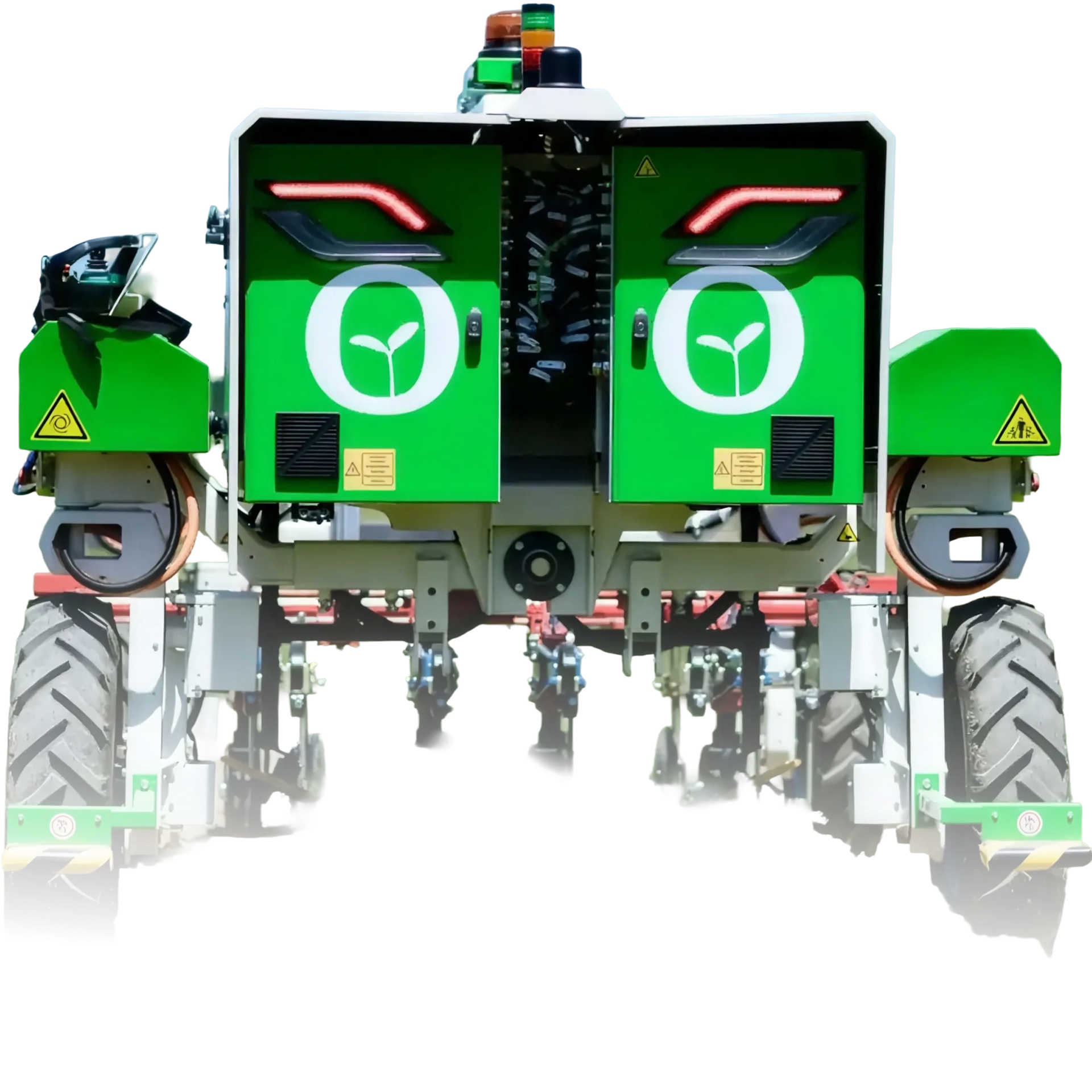
Precision farming robots
Naïo Technologies designs autonomous robots for precision farming and sought to enhance the reliability of their robots. We offered our expertise in low-level software support, certification, and sourcing.
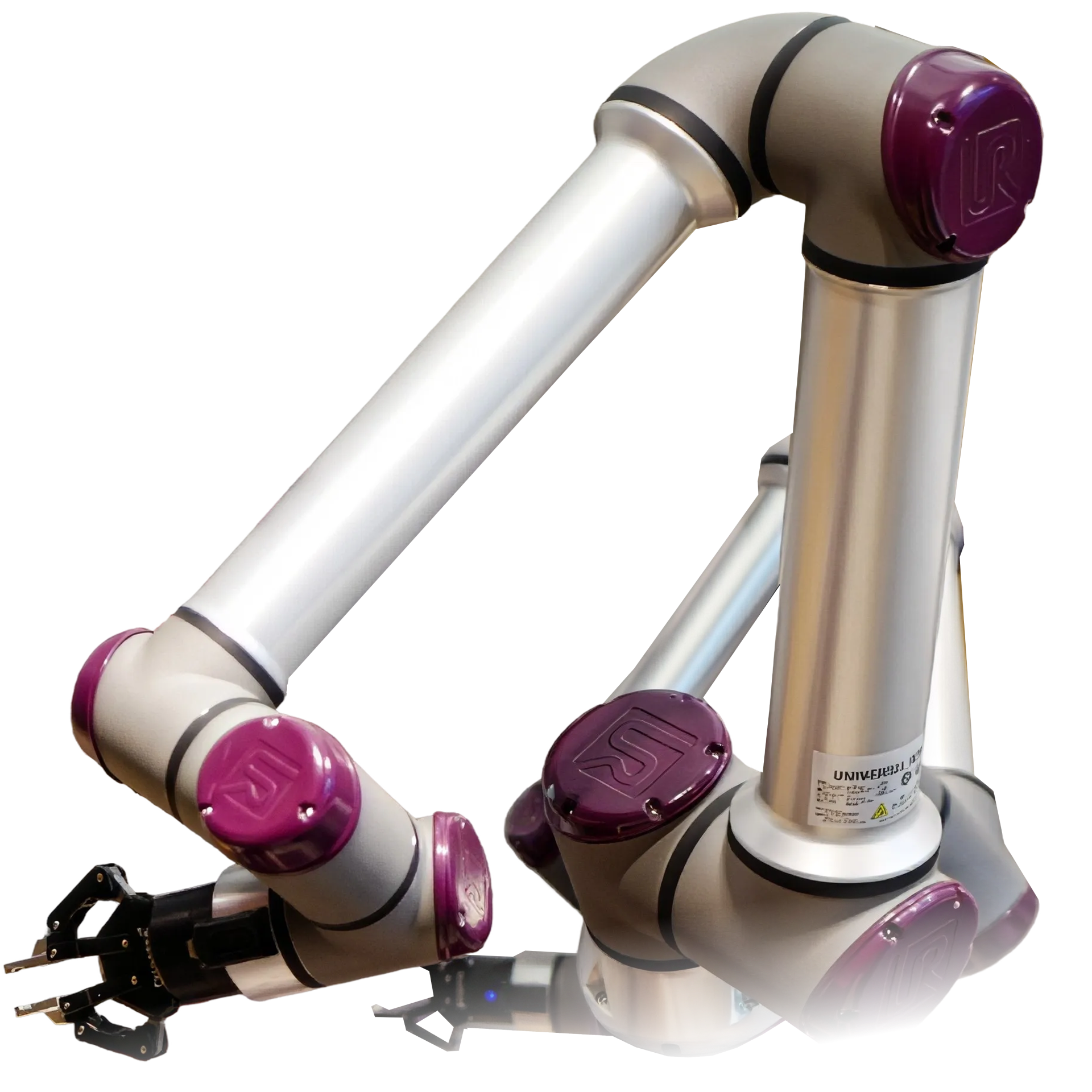
First automated pizza-making store
Pazzi Robotics transformed the fast-food industry with their pizza robot by creating the first fully autonomous restaurant. Kickmaker developed a scalable prototype of a cloud-connected, machine-learning platform featuring robots and robotic modules, allowing the restaurant to operate independently.
Frequently Asked Questions
How do you ensure data synchronization and low latency between edge devices and cloud infrastructure in high-density IoT deployments?
We begin with required response times, consistency rules, bandwidth, and offline behavior. Immediate decisions may remain at the edge, while cloud services handle aggregation or fleet-level processing. Buffering, timestamps, prioritization, retries, idempotency, and conflict rules make recovery explicit when connectivity is interrupted. Representative traffic and failure scenarios then provide evidence against defined criteria.
Which cloud architecture do you recommend for scaling hardware-agnostic applications: serverless or containers?
The choice depends on workload duration, traffic variation, runtime control, portability, observability, cost behavior, and the team’s operating model. Serverless services may fit event-driven work. Containers may suit long-running or tightly controlled runtimes. We compare these constraints and may combine patterns when clear service boundaries justify it.
How does Kickmaker integrate CI/CD pipelines for cloud software with physical hardware testing and validation stages?
A shared release baseline links cloud code and configuration to compatible firmware and hardware versions. CI/CD can run API, contract, integration, and device-communication checks before a staged release. Representative hardware may provide additional interface evidence when relevant. Product-level validation remains governed by its own acceptance criteria and responsibility.
What protocols do you implement to support end-to-end encryption and compliance when transmitting data from embedded systems to the cloud?
The architecture first identifies trust boundaries, data flows, and ownership. Within the agreed scope, Kickmaker implements approved cloud-side controls such as authentication, authorization, audit logging, and protected data transfer, then coordinates their interfaces with device teams. Requirements such as GDPR or HIPAA also depend on the full product, organization, hosting model, and applicable legal or compliance specialists.
Talk to us and see what’s possible
Tell us about your product, its current stage, and the challenge ahead. We’ll discuss your priorities and identify where our team can help you take the next step.
"*" indicates required fields