Mechanical & Mechatronics Engineering Services
Mechatronic products align mechanics, electronics, sensing, actuation, and control. Weak interfaces create noise, heat, wear, inaccurate motion, or difficult assembly. At Kickmaker, our engineering team turns requirements into a coherent physical architecture. We connect decisions to risk, cost, timing, and production readiness. The goal is a product whose behavior can be explained, measured, and transferred.
Solving Complex Hardware, Electronics, and Software Integration Challenges

Multidisciplinary Mechatronics Capabilities
Loads affect actuator sizing. Geometry constrains sensor placement, thermal paths, connectors, and service access. Firmware depends on the physical response of mechanisms and sensors. We coordinate these interfaces through shared requirements, controlled assumptions, and clear decision ownership. Electronics and firmware work remains aligned with specialist disciplines. This systems view reduces conflicts and makes trade-offs easier to review.
Ultra-Rapid Prototyping & Iterative Design
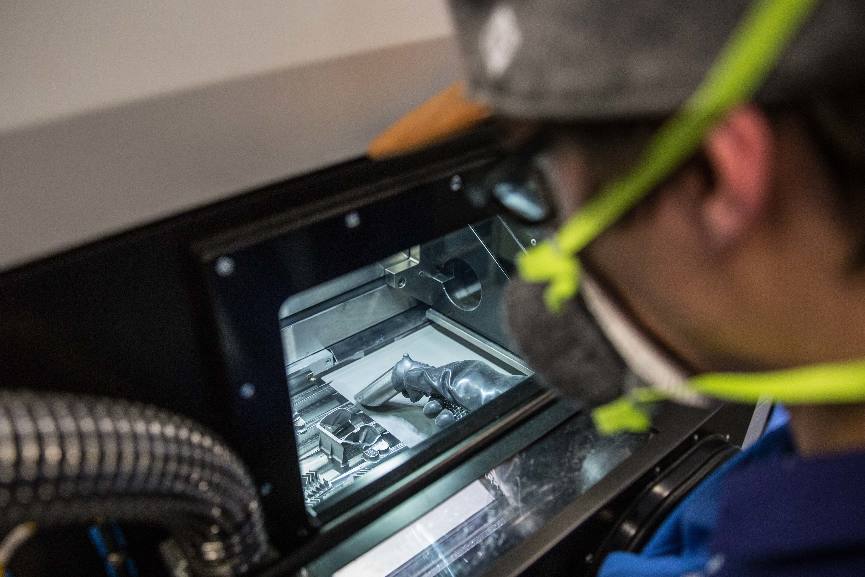
Early prototypes turn assumptions into practical evidence. They reveal integration issues and give users and engineering teams something concrete to evaluate. At Kickmaker, we select the prototyping method according to the question that must be answered. Depending on the product, this may involve 3D printing, CNC machining, electronics prototypes, functional mock-ups, assembly reviews, mechanical testing, or pilot builds.
Each iteration has a clear objective: validate a mechanism, assess a user interaction, confirm component integration, or prepare the design for manufacturing. The results guide the next engineering decision and reduce uncertainty before further investment.

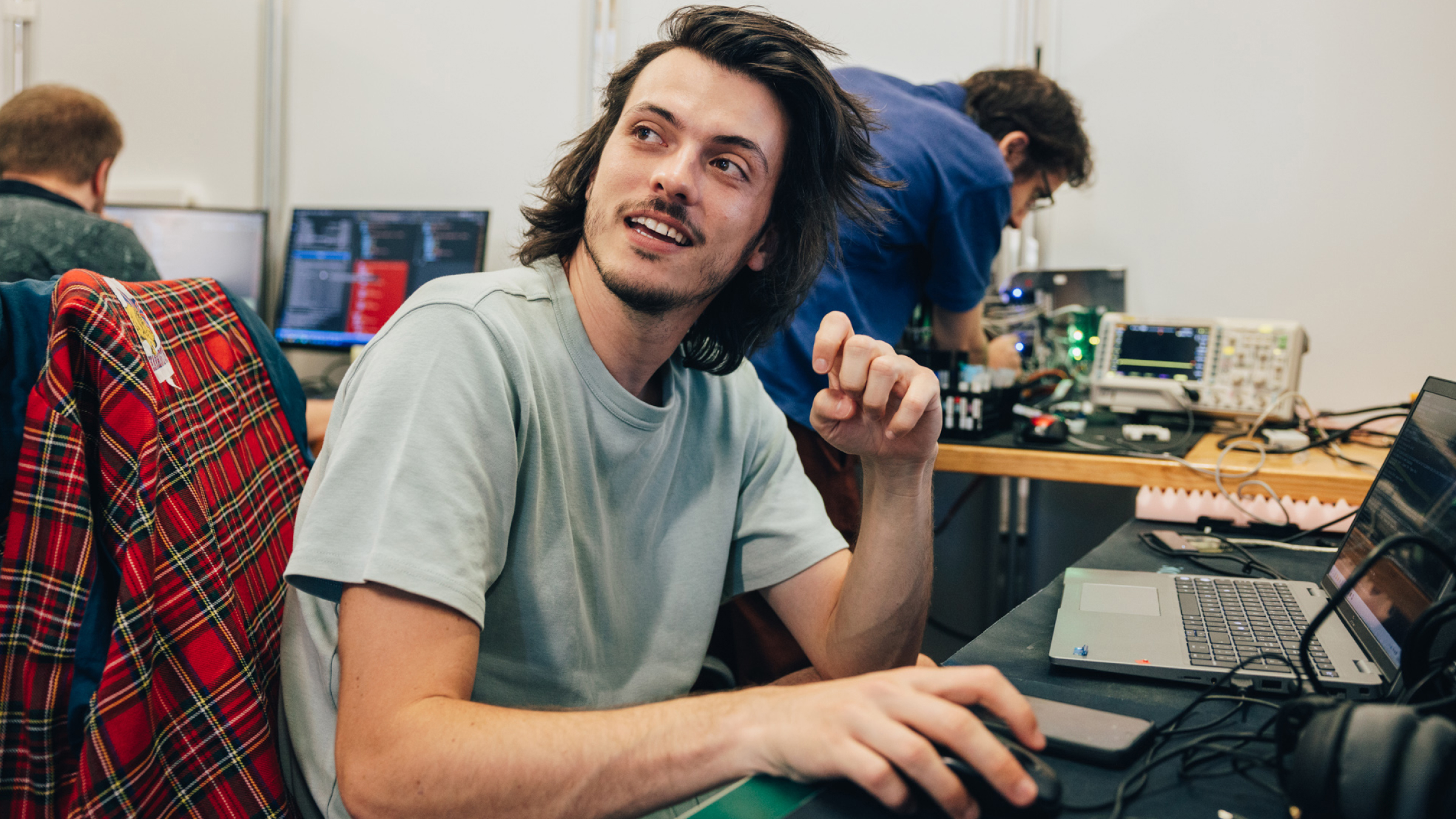


Meet the engineers behind the expertise

In mechanical and mechatronic engineering, you’re constantly balancing performance, size, durability, and integration constraints to develop an architecture that works in real-world conditions. Complex projects can never be solved through a single area of expertise. At Kickmaker, we bring the right disciplines together to make the best decisions as a team.

Our network of specialized suppliers, in-house prototyping equipment, and engineering expertise allow us to efficiently turn our clients’ ambitions into working prototypes. From small production runs to high-volume manufacturing, we adapt production processes and anticipate cost and feasibility constraints to ensure an efficient transition to industrial production without endless iterations.
Why Top Tech Leaders Choose Kickmaker for Mechatronics:
-
Elite Talent and Specialized Micro-Factories
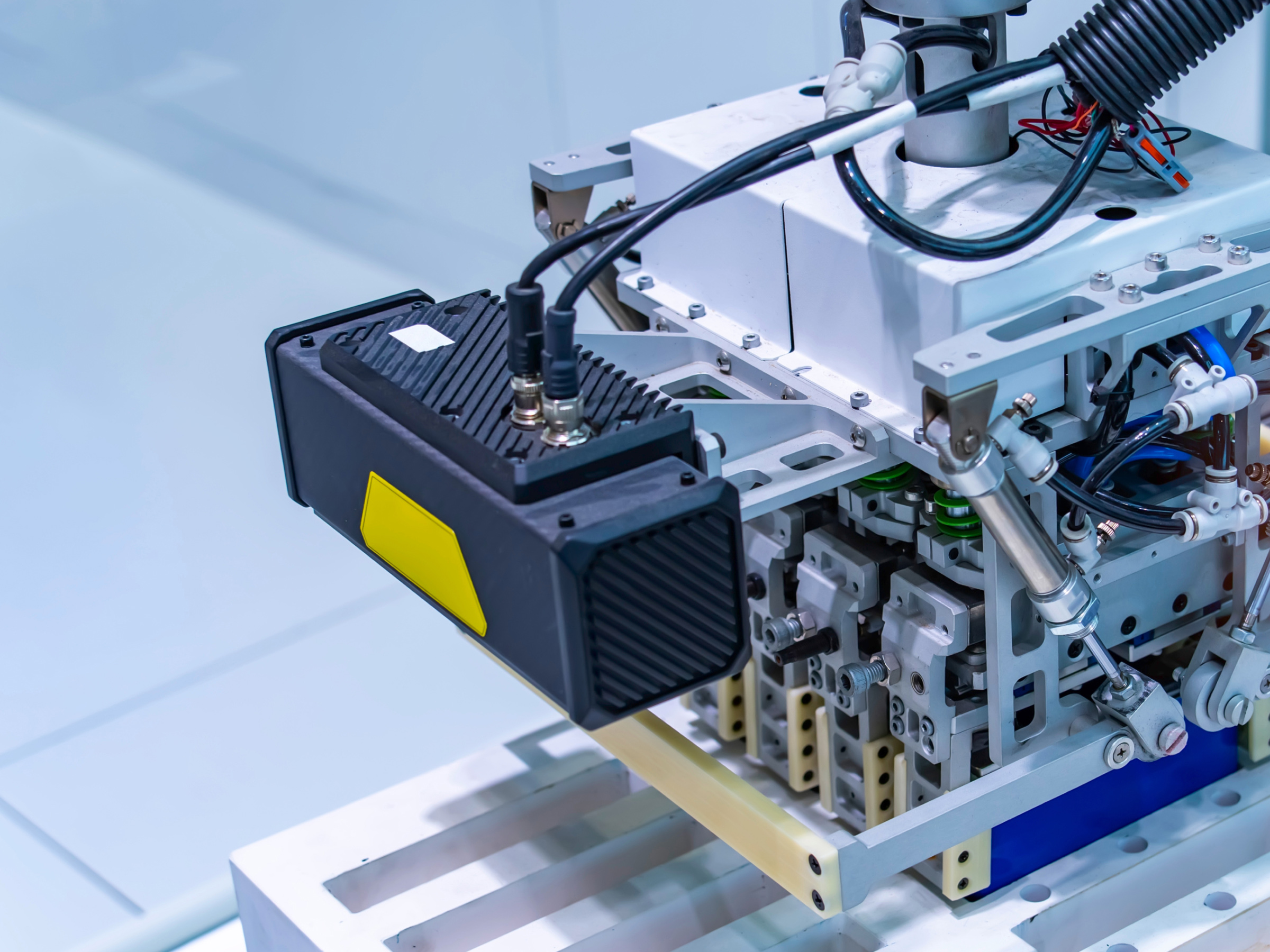
Complex products benefit from focused teams that can resolve decisions across disciplines. Kickmaker brings mechanical, electronics, embedded software, and industrialization perspectives around the same product. When a project includes access to a suitable build environment, design, assembly, and measurement can remain closely connected. The team, facility, and equipment scope are confirmed for each engagement.
-
Mitigating Supply Chain and BOM Volatility
A mechanical Bill of Materials (BOM) is linked to geometry, interfaces, materials, processes, and qualification evidence. A substitution can therefore affect much more than cost. We identify critical dependencies early and compare alternatives against functional requirements. Proposed changes enter the baseline only after technical impact review, helping teams make informed supply decisions without hiding new engineering risk.

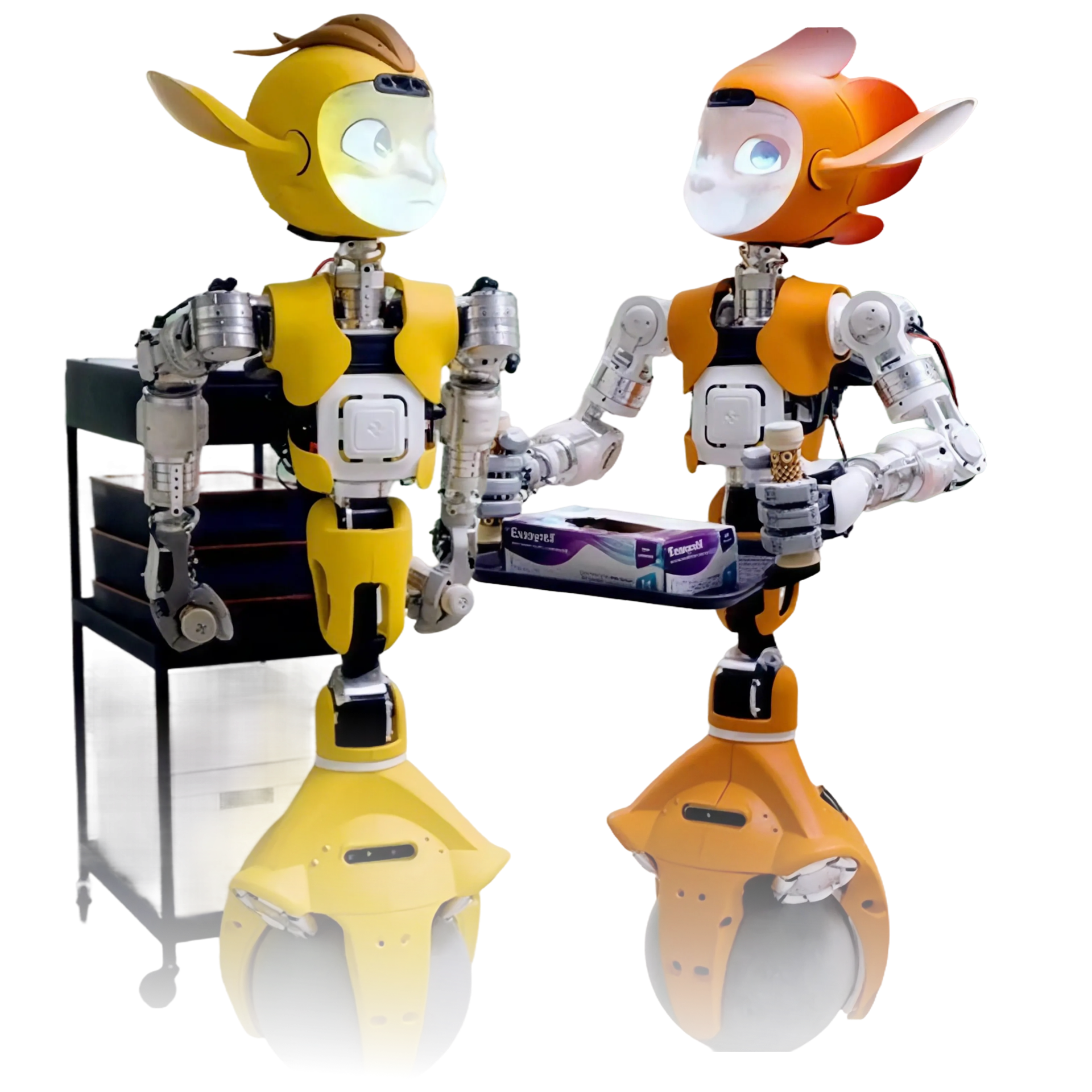
Sci-fi humanoid robot
Enchanted Tools built humanoid robots to automate object movement in controlled spaces. To ensure success on this project, Enchanted Tools asked Kickmaker to support them throughout the product industrialization process.
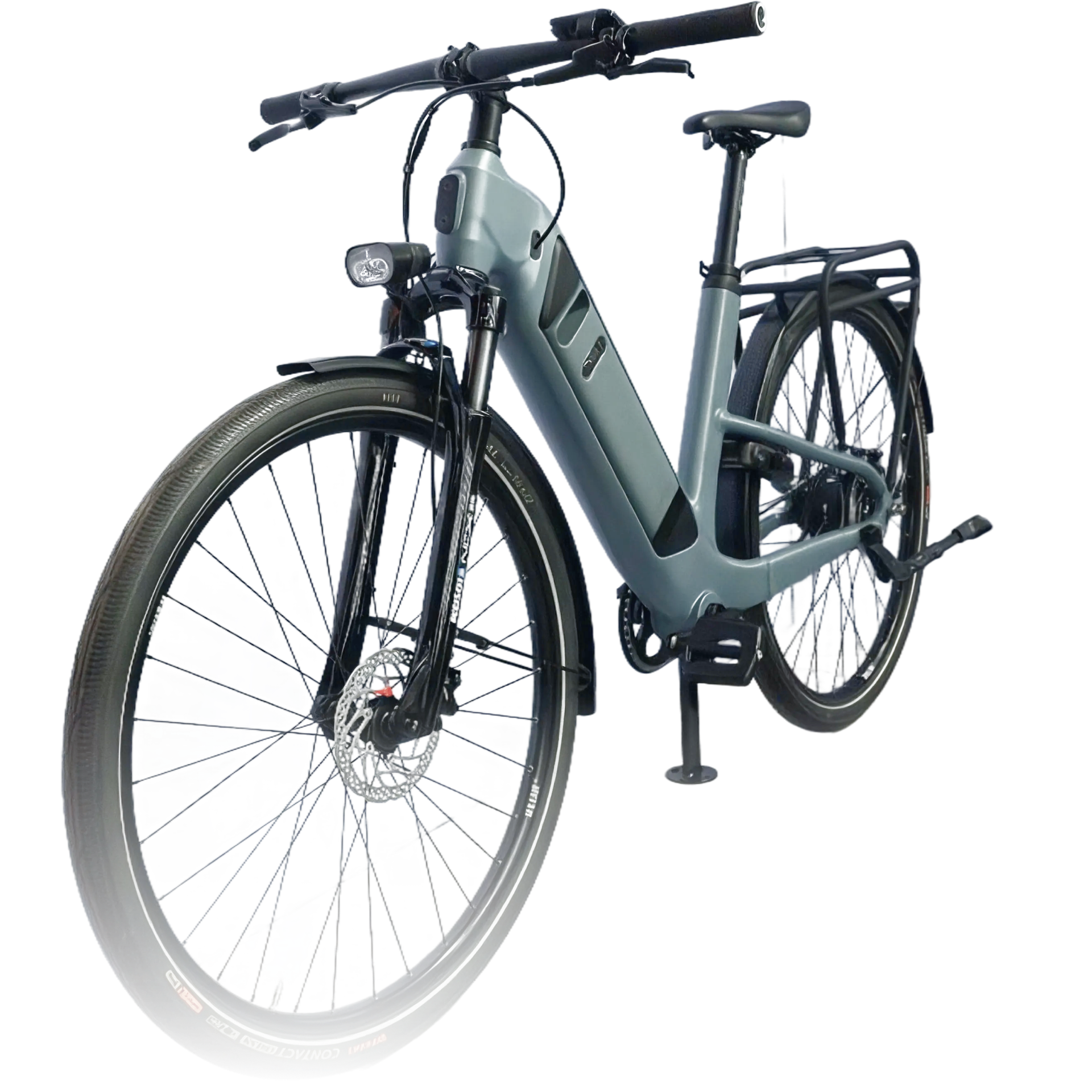
ENYRING: support in the development of a fleet of eBikes
ENYRING, a subsidiary of Yamaha Group, is developing an innovative mobility solution. Based on a Battery-as-a-Service approach, it combines eBikes, battery management infrastructure, battery swap stations, and a mobile app into an integrated ecosystem. The goal is to make urban cycling more practical through smart product design and modular infrastructure.
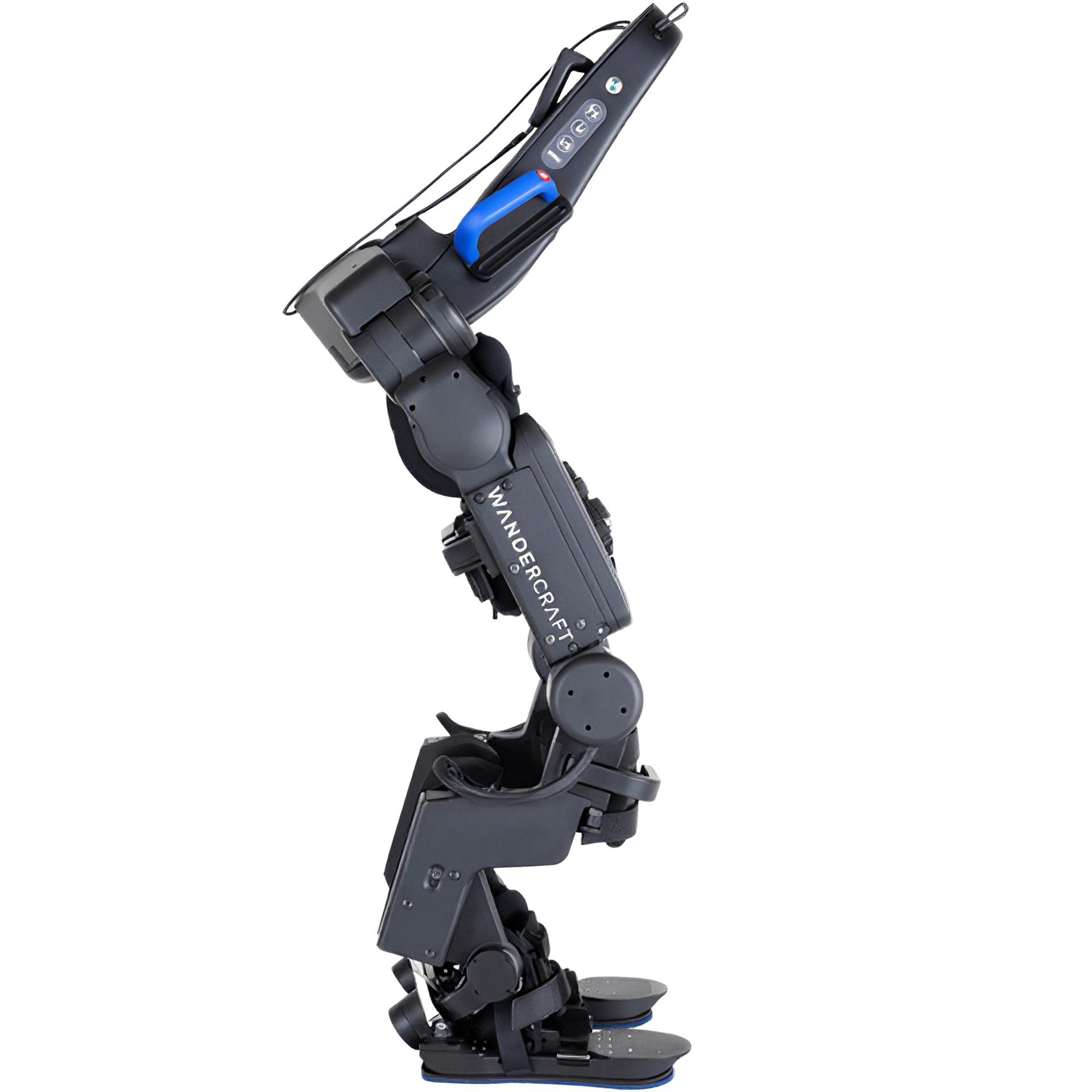
Hands-free exoskeleton walking system
Wandercraft’s Atalante X is an exoskeleton that enables patients with walking impediments, including those with upper limb impairments or cognitive disorders, to stand up and walk hands-free.
Wandercraft was therefore looking for an external engineering partner to provide industrial support for its gait rehabilitation exoskeleton.
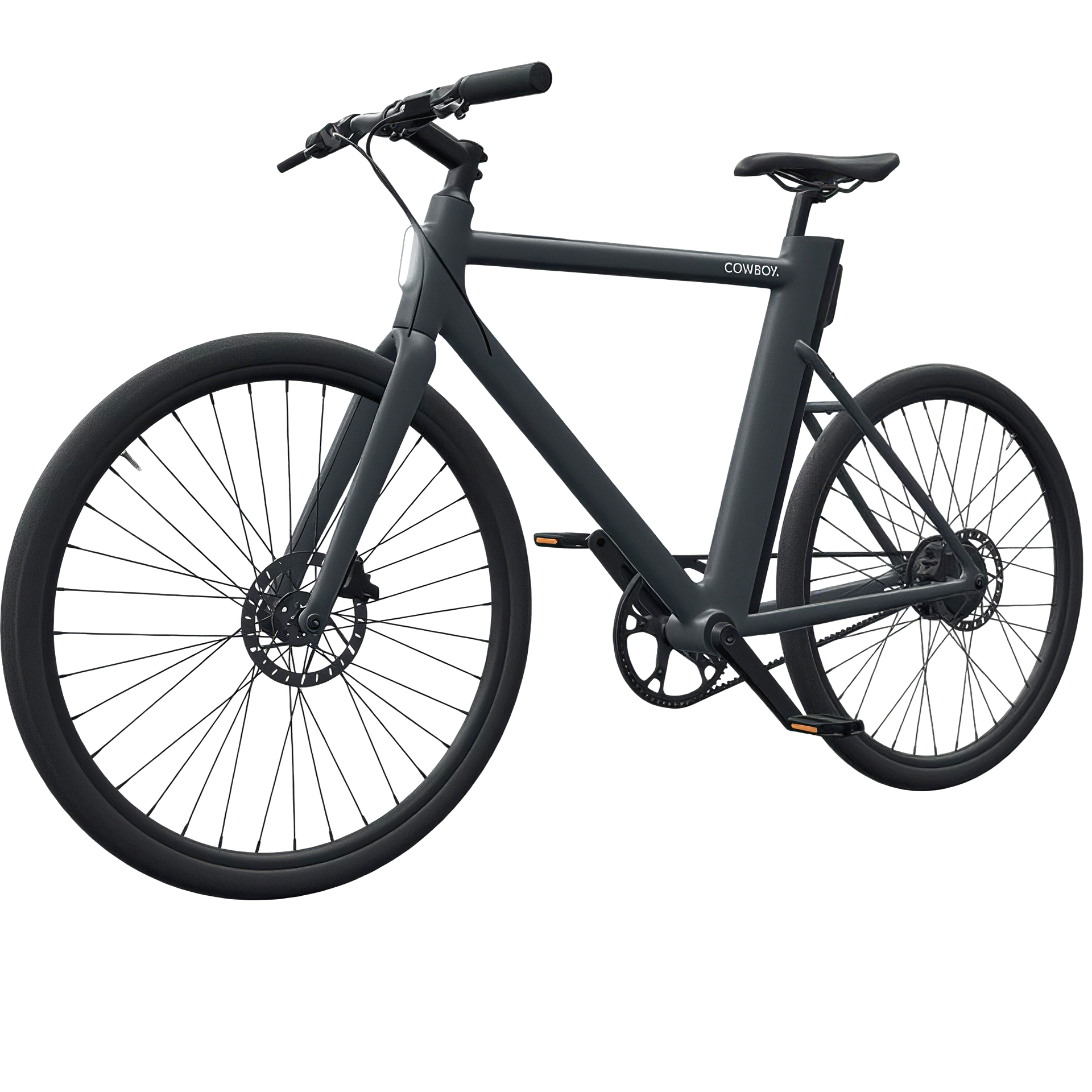
Cowboy bike: designing a custom motor controller
Cowboy, an innovative electric bike brand, wanted to take back control of their motor controller design to enhance technical integration and improve supply chain efficiency. To achieve this, they partnered with Kickmaker to develop a fully customized motor controller in collaboration with strategic partners.
We have experience across high-stakes industries
Your market shapes how a product is used and what it must deliver. Our engineers have built products for nearly every high-stakes industry there is, so whatever you’re building, we’ve likely faced a version of your constraints before.
Advanced Technical FAQ on Mechatronics Systems
What should be defined before detailed CAD work begins?
Product behavior, operating states, loads, motion, duty cycles, environments, and critical interfaces should be explicit. These inputs give CAD a technical purpose and reveal early trade-offs.
How do mechanics, electronics, and firmware interact?
They meet through physical interfaces and expected behavior. Mounting, heat, power, sensor response, actuator limits, latency, and safe states must be reviewed together, with one accountable owner per decision.
What evidence should a mechatronic prototype provide?
A prototype should answer a defined risk. Depending on maturity, evidence may cover force, displacement, speed, temperature, vibration, wear, repeatability, assembly, or interface behavior under controlled conditions.
When is a design ready for production-intent definition?
Readiness depends on resolved requirements, stable interfaces, representative evidence, controlled tolerances, and understood manufacturing assumptions. Open risks should be visible, owned, and compatible with the next commitment.
Talk to us and see what’s possible
Tell us about your product, its current stage, and the challenge ahead. We’ll discuss your priorities and identify where our team can help you take the next step.
"*" indicates required fields