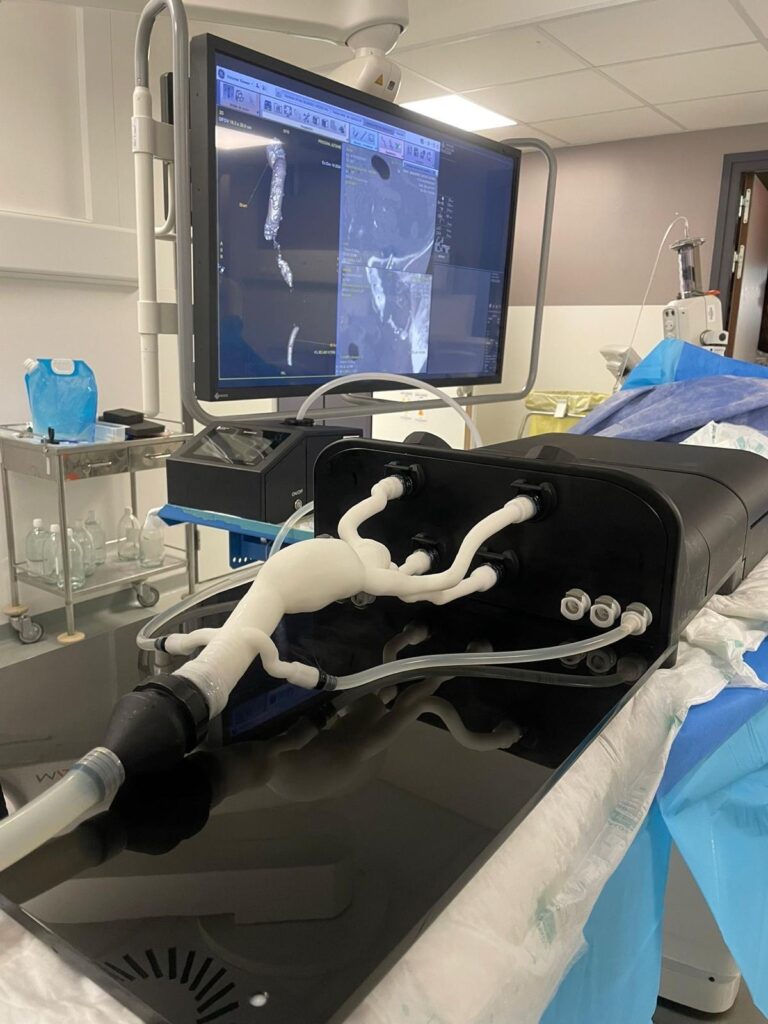
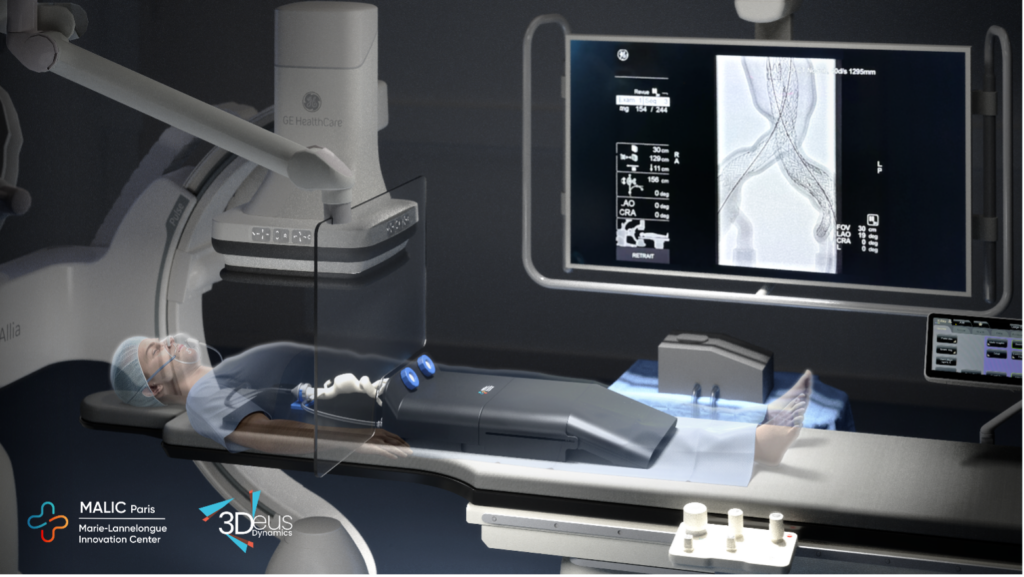
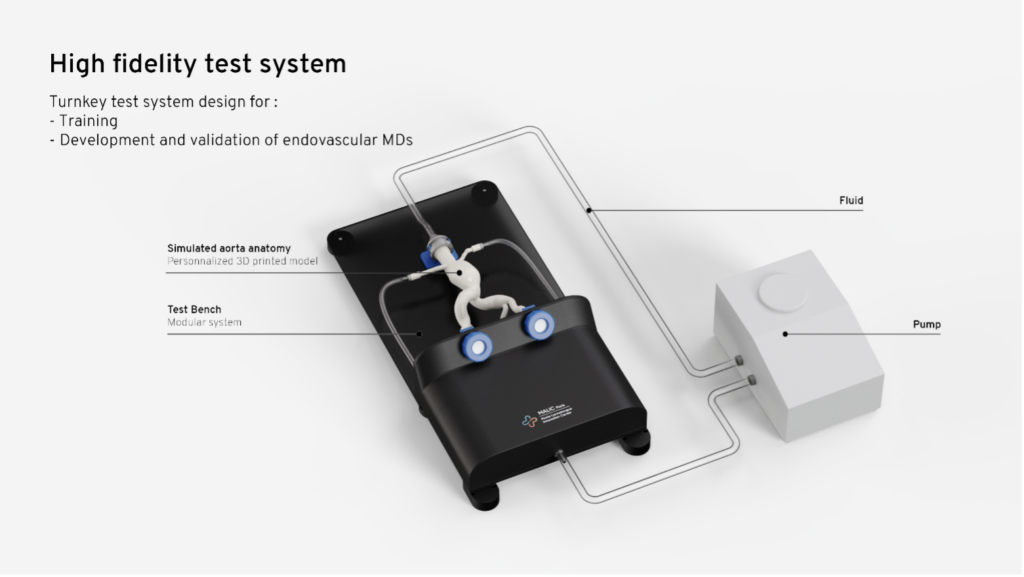
An innovative platform for medical device validation and training.
The project is based on close collaboration with hospital teams to advance practices in vascular surgery for development and preclinical validation, as well as for the initial and ongoing training of practitioners.
Faced with the limitations of existing solutions, unrealistic, costly, and difficult to deploy, Hôpital Marie-Lannelongue through MALIC (Marie Lannelongue Innovation Center), sought to design a turnkey, immersive, and easily accessible alternative.
Within this framework, MALIC’s R&D team called on Kickmaker to develop the MAL-Ao surgical test bench.

This work is part of the EndoVX project, which received support under the France 2030 plan, whose objective is to revolutionize the endovascular management of aortic lesions.
One of the project’s work packages involves the development of a surgical test bench intended to develop and validate Implantable Medical Devices (IMDs) and to train practitioners in endovascular aortic surgery.
This work is led by MALIC, a surgical and interventional innovation platform, labeled SESAME filière by the Île-de-France Region, supported by Hôpital Marie-Lannelongue, a hospital specializing in cardiac, thoracic, and vascular surgery, within the Fondation Hôpital Saint-Joseph.
The challenge
Endovascular techniques have profoundly transformed the management of aortic lesions, offering a less invasive alternative to conventional open surgery.
The constant evolution of devices makes it possible to treat increasingly complex pathologies but requires even more advanced preclinical validation.
Preclinical validation of IMDs, as well as surgical training, still largely relies on the use of living models that present numerous limitations:
- The use of animal models (ethics, anatomical fidelity and reproducibility, logistical constraints, costs, etc.)
- Existing simulators offering only partial realism, particularly in terms of tactile feedback and fluid behavior
Specialized training, whether initial or ongoing, has become an essential requirement to ensure patient safety and promote surgical excellence.
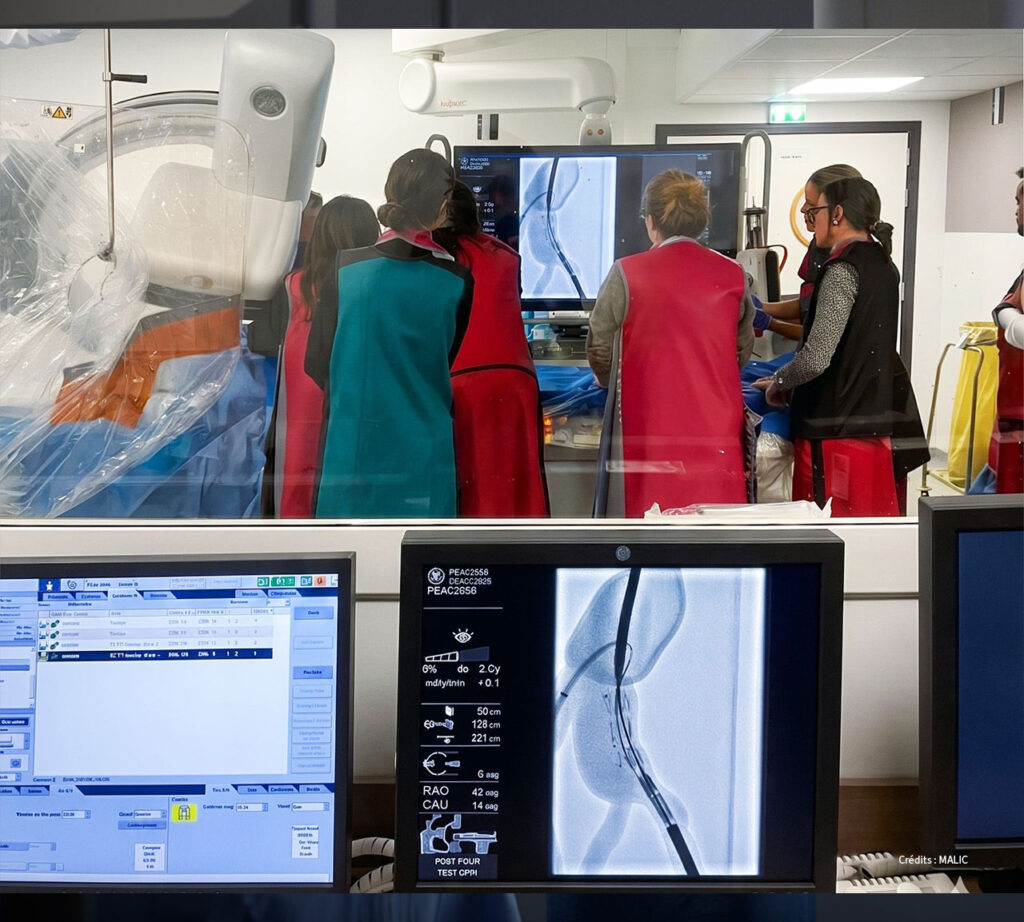
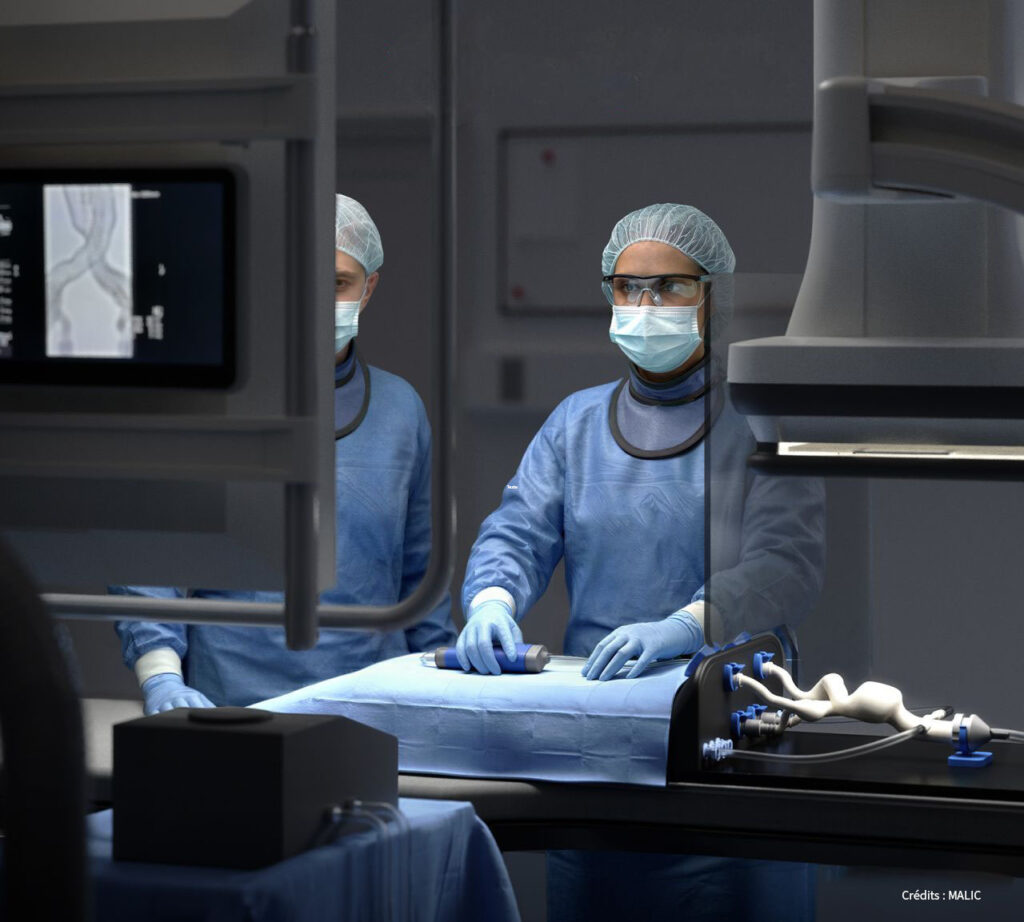
The use of high-fidelity simulation benches, combined with 3D-printed anatomical models, provides a reliable, repeatable, and easy-to-implement solution both within companies and in hospital interventional operating rooms.
The solution
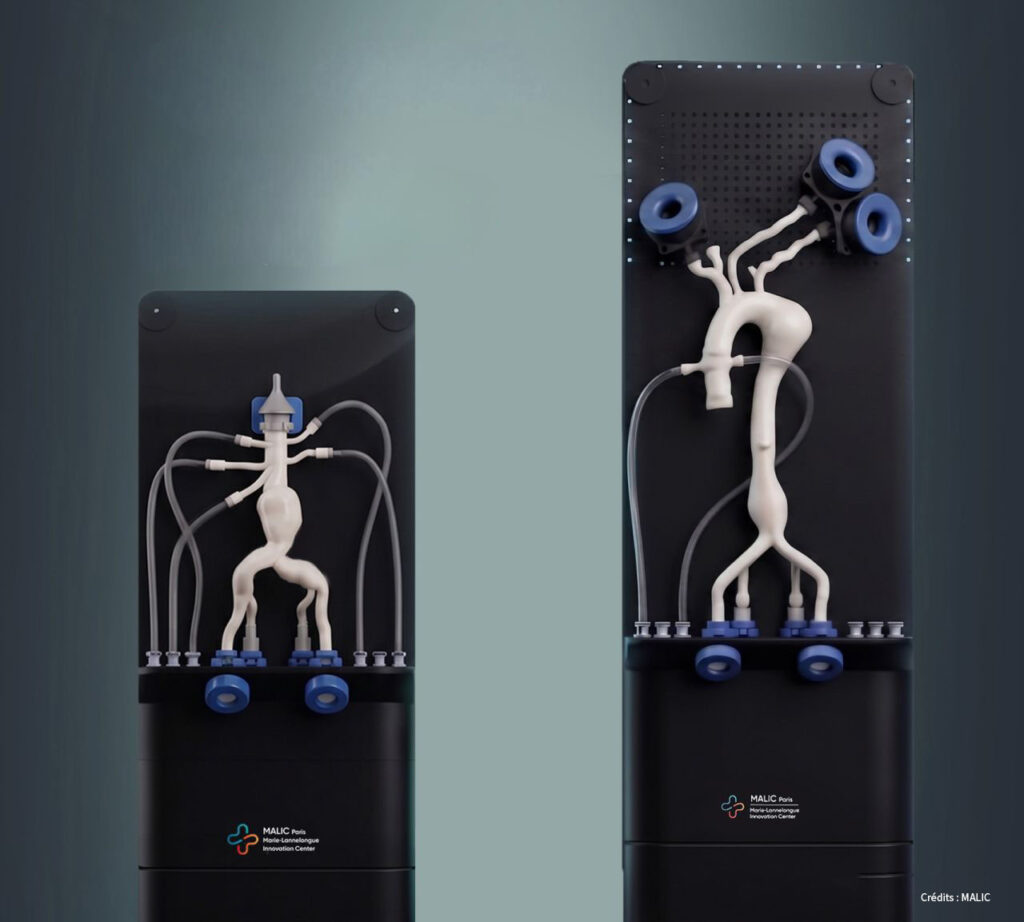
MALIC partnered with 3Déus Dynamics to develop high-fidelity silicone anatomical models, 3D-printed using their dynamic molding solution, in order to deliver a high-performance solution.
Kickmaker supported MALIC by providing its product engineering expertise and its ability to transform a clinical need into a concrete and functional technical solution.
Kickmaker’s involvement notably included:
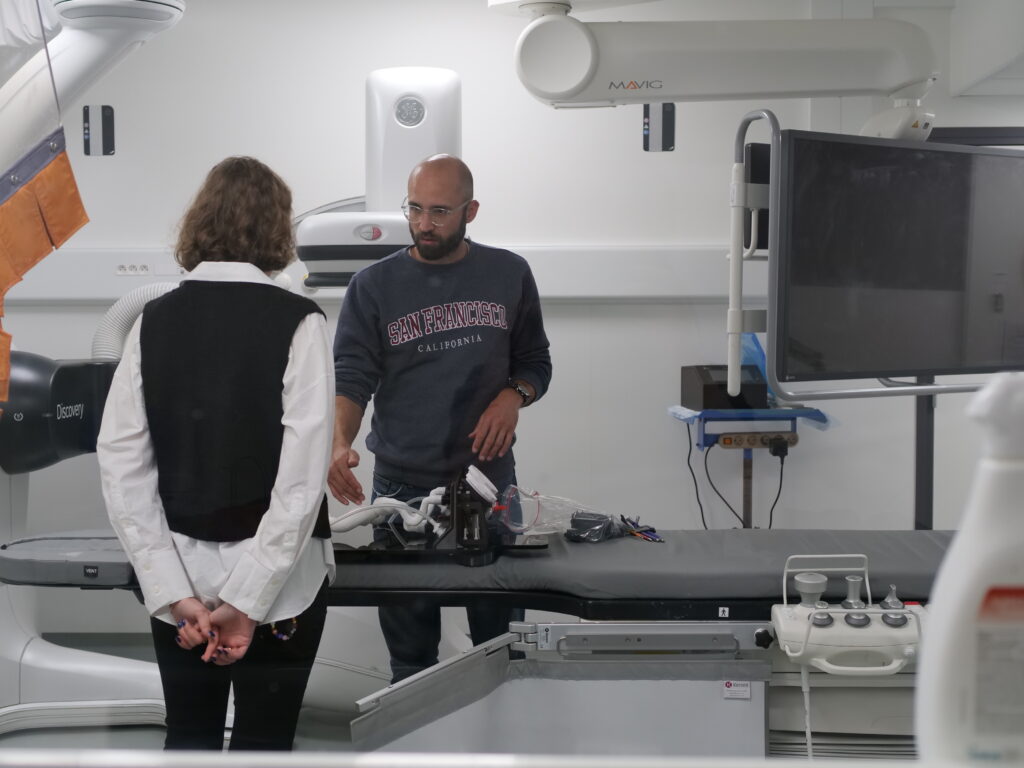
- Support in the production of a custom test bench, replicating key procedural conditions
- Development of a radiolucent system, compatible with real-life intervention conditions
- Integration of fluid systems simulating physiological behavior
- An iterative prototyping approach, in close collaboration with hospital teams
- Production of several small-batch units within the KAL (Kickmaker Assembly Line, our proprietary assembly and production line), enabling their deployment for training sessions and testing
- Support from the design phase through to fully functional prototypes
The solution was developed through continuous exchanges between engineers and end users, achieving a high level of functional fidelity and reliability.

Benefits
Expertise
Kickmaker leveraged its cross-disciplinary expertise to support MALIC in:
- Mechanical engineering of complex physical systems
- Design of fluid systems
- Selection of materials suited to constrained environments
- Prototyping and iteration with users
- Co-design with medical teams
- Production of several small-batch units within the KAL, following a phased deployment and pre-commercialization approach
Kickmaker’s expertise in engineering, advanced prototyping, and production support made it possible to transform a demanding clinical need into an operational device, now in use and on the verge of entering the commercialization phase.
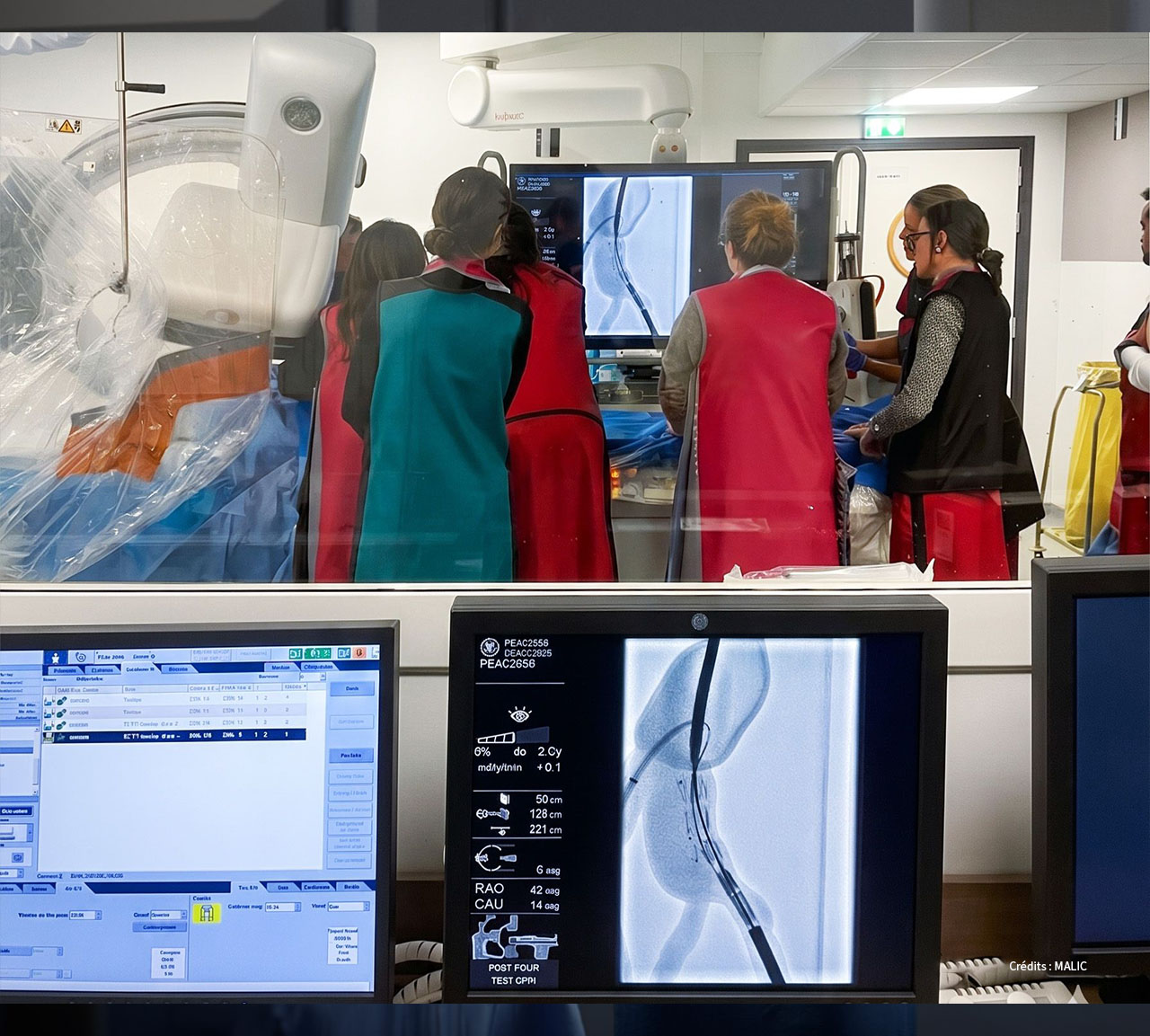
”The success of this project is linked to extensive exchanges and on-site presence. Kickmaker was able to adapt to our constraints, which enabled us to develop a tool that truly works today. The key to the success of this project was the immersion of the KM teams in the surgical environment.
Benoît DecanteHead of Innovation and Preclinical Research Department at Saint Joseph – Marie Lannelongue Hospitals